
Commercial Renovation vs New Construction: The Real Cost Comparison for Melbourne Property Owners
Deciding between commercial renovation and new construction is one of the biggest financial calls a property owner will make this year. Get it right, and the result is a building that fits how the business actually operates. Get it wrong, and budget gets tied up in the wrong solution. Striking Constructions is the builder that works alongside your appointed architects, designers and consultants. We don’t provide design services. Once you have plans, or a draft design in progress, we talk through construction requirements, buildability and pricing based on those plans. Speak with the team early, and the decision becomes far easier to make with confidence.
Cost-effectiveness comes down to structural condition, compliance requirements, and where the business wants to be in five or ten years’ time. Renovation typically asks for a smaller upfront outlay and suits buildings with sound bones already in place. New construction asks for a larger investment but gives owners a clean slate for their design team to work with. Striking Constructions, a Melbourne builder active across commercial, education, and development projects, provides construction input on both paths, with a disciplined, transparent approach to delivery.
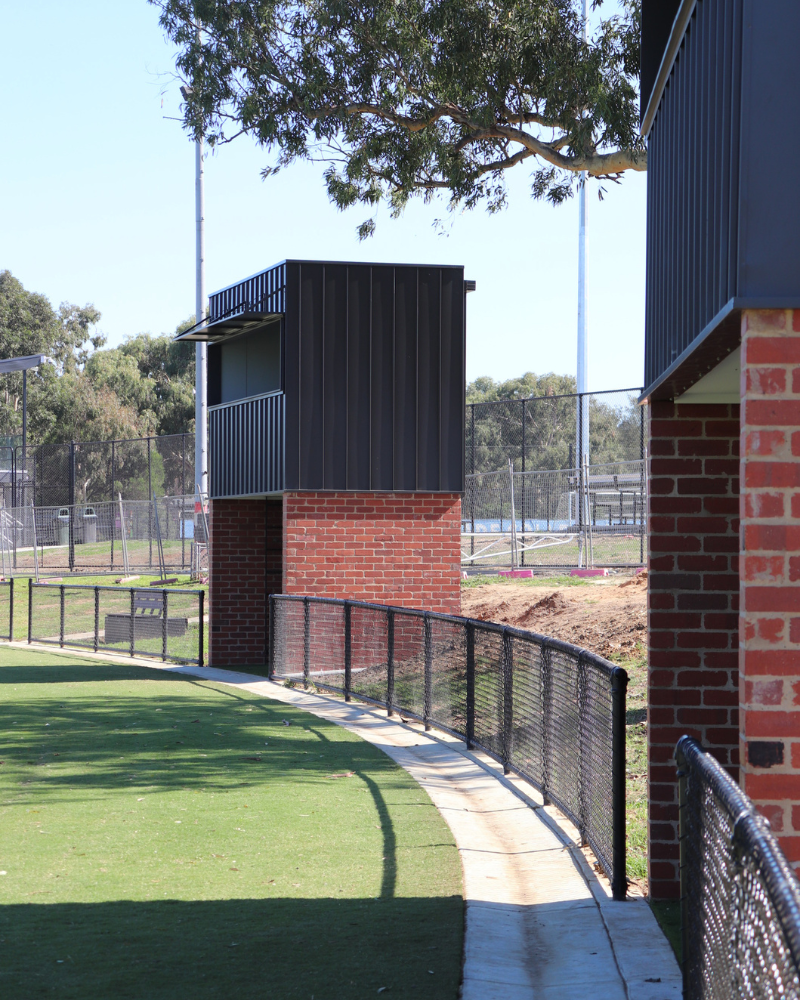
Comparing Renovation And New Build Costs
Cost sits at the centre of the commercial renovation vs new construction decision for property owners and developers. There is no fixed formula that settles the question on its own. Location, project scope, and material choices shape the final figure far more than the label attached to the project.
A refurbishment of an existing asset can improve the return on a building that is currently underused. A ground-up build offers a blank canvas instead, though it carries its own cost structure, covering everything from site works to a full services installation. Neither path guarantees the cheaper outcome. Each depends on the building’s condition, the scope of the approved plans, and the finishes specified by the design team.
The Real Answer: It Depends On The Building
Neither option wins by default. Commercial renovation can reduce spend on structure and shell when the existing building is sound. Ground-up commercial construction in Melbourne calls for investment across every element, from foundations upward. The right comparison weighs location, scope, and material grade for the specific site in question, not a general rule that applies to every project.
The Factors That Drive The Final Figure
Location, scope, and materials carry real weight, but they are far from the only variables on the table. A modest refresh in an established precinct plays out very differently, cost-wise, from a full-scale new build on undeveloped land. Beyond those three, several other factors routinely move the budget:
- Demolition: stripping out existing fit-out, structure, or services before new work can begin
- Existing building condition: ageing services, outdated compliance standards, or structural wear that only surfaces once work is underway
- Site access: a constrained inner-city block or a shared tenancy adds cost and time that an open greenfield site does not
- Unexpected remedial work: asbestos, water damage, or structural issues uncovered once walls and ceilings open up
- Consultant fees: engineers, architects, and compliance specialists required to design and certify either path
- Temporary relocation: the cost of moving a business offsite, or operating around live works, while renovation or construction proceeds
Understanding which of these factors is driving cost on a given site, not just location, scope, and materials, is the first step toward an accurate budget.
Striking Constructions applies the same discipline to both paths:
- Structured construction planning throughout construction delivery
- Clear communication with clients, architects and consultants
- Careful attention to detail across every build phase
- Functional, performance-driven spaces built to the approved plans for long-term use
The factors above play out differently depending on the path chosen. This comparison sets out how renovation and new construction typically differ across the considerations that matter most to a cost-effective decision.
Consideration | Renovation | New Construction |
Upfront cost | Generally lower, especially when the existing structure is sound | Generally higher, covering every element from foundations upward |
Existing structure | Retained and built upon; condition determines how far budget stretches | Not applicable; built entirely from a clean slate |
Services upgrades | Often required to bring older systems up to current standards | Installed new throughout, to the standards set by the design team |
Approvals | Can be faster for like-for-like work, slower where use or structure changes | Typically a longer approvals process covering the full build |
Timeframes | Can be quicker where structural work is limited | Generally longer, covering site works through to fit-out |
Business disruption | Possible if the business needs to operate during works | Minimal during construction, concentrated around the move itself |
Ongoing maintenance | Depends on the age and condition of retained building elements | Lower near-term maintenance with new systems and materials |

When Renovation Is The Stronger Business Case
Strategic upgrades suit properties with strong bones and an outdated shell. Deciding whether to renovate or build new hinges on structural condition, tenancy goals, and how much design freedom a business actually needs from its design team. A building with sound foundations and workable services often gains more from reinvention than replacement, giving a structure new commercial life without the cost or delay of starting again.
Owners weighing this path should start with one direct question.
Assessing Whether The Structure Is Worth Keeping
Buildings with solid structural integrity, workable floor plates, and manageable service runs tend to reward renovation and adaptive reuse over demolition. That said, a sound structure alone does not automatically make renovation the cheaper or quicker path. Where the brief calls for extensive internal alterations, a full services upgrade, or work to bring older systems up to current code, the cost and time saved against a new build can narrow considerably, or disappear altogether.
Confirming whether a building is genuinely worth keeping takes input from structural engineers and other specialist consultants. Striking Constructions draws on its experience across high-end construction projects in Melbourne to give construction input alongside that advice, helping owners understand what the build will involve and cost.
Commercial renovation succeeds when coordination is tight. Complex upgrades call for structure, safety, and accountability, achieved by coordinating consultants, suppliers, stakeholders and specialist partners throughout construction delivery.
Business sense favours renovation when:
- The existing shell meets current structural and compliance standards
- Tenancy continuity or partial operation matters during works
- Architectural character adds commercial value worth retaining
Collaboration remains central to getting this right. Working alongside clients, architects, consultants and trades keeps the build high-quality, confident, and accountable throughout construction delivery.
Why New Construction Can Offer Greater Long-Term Value
A ground-up build offers greater design flexibility. Working with their appointed design team, property owners gain more say over layout, systems, and finishes, which can support stronger efficiency across the life of the asset. That flexibility matters most for commercial owners weighing renovation against a new build, since a new structure removes many of the compromises that come with adapting an older building to contemporary operational demands.
The comparison, though, rarely rests on construction methods alone.
Why A New Build Suits Certain Projects
A ground-up build makes the most sense when the brief needs more than an existing structure can give. A few factors typically point owners toward building new rather than renovating:
- Layout flexibility: a clean slate allows the design team to plan floor plates, column spacing, and internal layouts around how the business actually operates, rather than working around an inherited structure.
- Capacity: where a growing business needs more floor area, higher ceilings, or room to expand in stages, a new build can be designed for that growth from the outset, which an existing footprint often cannot accommodate.
- Building systems efficiency: services, insulation, and mechanical systems designed and installed new throughout tend to perform better and cost less to run than older systems patched up to meet current standards.
Floor plans, layouts and building systems are developed by the appointed design team. Striking Constructions provides construction input on buildability and pricing, then builds to the approved plans. We keep clients, architects, and consultants aligned throughout construction delivery so the finished building matches the approved design. That coordination helps protect commercial property ROI after handover, reducing the operational disruptions and rework costs that can erode returns on an underperforming building.
Frequently Asked Questions
Which is more cost-effective: commercial renovation or new construction?
There is no single answer that applies to every property. Renovation tends to cost less upfront and suits buildings with sound structural bones, while new construction requires greater investment but removes the compromises of an older building. The most cost-effective path is the one that matches the site's condition, the business's compliance needs, and how long the owner plans to hold or occupy the asset.
Is commercial renovation always cheaper than new construction?
Not always. Renovation pricing varies by project scope and can reduce spend on structure and shell when the existing building is sound. New construction requires investment across every element, from foundations upward, so the cheaper option depends entirely on the building in question.
What factors determine the final project cost?
Location, scope, and material selections carry the most weight. A modest refresh in an established precinct plays out very differently, cost-wise, from a full-scale build on undeveloped land.
When should a business choose renovation over new construction?
A building with sound foundations and serviceable systems often gains more from reinvention than replacement. Renovation suits properties with strong bones, delivering new commercial life without the cost or delay of starting again.
Does Striking Constructions provide design services?
No. We are the builder. Your appointed architects, designers and consultants develop the plans, and we provide construction input and price and build to the approved plans.
Talk To Striking Constructions About Your Build
The right decision between commercial renovation and new construction comes down to your site, your budget, and your long-term plans for the business, not a generic rule of thumb. Striking Constructions works with Melbourne property owners, developers, and asset managers, alongside their appointed design teams, to talk through construction requirements, buildability and pricing based on their plans.
Call Striking Constructions to discuss your plans and construction requirements, or get in touch with the team to start the conversation about your next commercial project.