
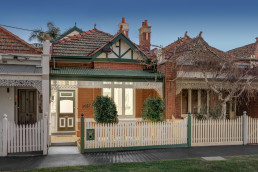
High-End Residential Build: 7 Questions to Ask Builders
A luxury home build involves numerous complex decisions. Asking the right questions of your builder materially influences project outcomes. This article sets out seven questions your architect recommends you raise so you begin the process informed and prepared. Addressing these topics clarifies expectations, safeguards your investment, and establishes a collaborative relationship with your builder. We cover qualifications and experience, contract and budget considerations, collaboration protocols, and quality-assurance practices essential to a successful high-end residential project.
What Qualifications and Experience Should You Verify in a Luxury Home Builder?
Confirming a luxury builder’s credentials is indispensable. Seek licences, certifications, and a demonstrable record of high-end residential work. This verification protects your investment and increases the likelihood of achieving your design and performance objectives. Targeted questions reveal whether a builder’s expertise aligns with the technical and aesthetic demands of your project.
Which Certifications and Licenses Define a Qualified Builder in Melbourne?
In Melbourne, several certifications and licenses are critical for a luxury home builder. These include:
- Builder’s License: Builders must hold a license issued by the Victorian Building Authority (VBA), ensuring they are legally authorised to undertake construction projects.
- Trade-Specific Registrations: Builders should have registrations relevant to their specific trades, such as plumbing or electrical work, ensuring they meet industry standards.
- Memberships in Industry Bodies: Membership in organisations like the Master Builders Association of Victoria can indicate a commitment to quality and ongoing professional development.
Such credentials validate competence and provide homeowners with confidence in the builder’s capability and compliance.
How Does a Builder’s Portfolio Reflect Their Capability in High-End Residential Construction?
A builder’s portfolio is a vital tool for assessing experience in high-end residential construction. When reviewing a portfolio, consider these aspects:
- Quality and Relevance of Projects: Look for completed work that reflects the style and standard you expect for your home.
- Detailed Project Examples: Examine complexity and scale to gauge experience with luxury builds.
- Client Testimonials: Positive feedback from previous clients offers insight into reliability and workmanship.
Use the portfolio to evaluate stylistic alignment, technical capability, and client outcomes as indicators of suitability for your brief.
How Should You Approach Contract and Budget Discussions with Your Builder?
Discuss contracts and budgets with precision: define scope, agree deliverables, and reconcile estimates to prevent misunderstandings. Clear terms keep you and the builder aligned throughout the project.
What Key Contract Clauses Protect Your Investment in Luxury Home Construction?
Several contract clauses are essential for protecting your investment in luxury home construction:
- Scope of Work: Clearly defining the scope helps prevent scope creep and ensures all parties understand their responsibilities.
- Payment Schedule: A well-structured payment schedule manages cash flow and ties payments to project milestones.
- Change Order Process: A clear process for handling changes minimises disputes and ensures modifications are documented and agreed upon.
These provisions protect your interests and provide a clear framework for managing costs, timelines, and authorised changes.
How Can You Align Budget Expectations Between Architect Designs and Builder Estimates?
Aligning budget expectations between your architect’s designs and builder estimates is crucial for a smooth project. Strategies to achieve alignment include:
- Establish a Clear Scope of Work: Ensure the architect and builder share the same brief to avoid discrepancies in estimates.
- Negotiate Payment Terms: Agree on terms early to align payments with your cash flow and project stages.
- Regular Communication: Maintain open channels to address budget concerns promptly.
Shared scope, negotiated payment structures, and disciplined communication align financial expectations and reduce the risk of cost escalation.
What Are the Best Practices for Architect and Builder Collaboration on Luxury Projects?
Seamless collaboration between architect and builder is fundamental to luxury outcomes. Define communication protocols, schedule regular reviews, and embed quality checkpoints to preserve design intent and sustain build excellence.
How Do Architects and Builders Coordinate to Maintain Quality and Design Integrity?
Coordination between architects and builders is vital for maintaining quality and design integrity. Key strategies include:
- Client Collaboration: Involving clients in decision-making helps ensure the original vision is realised.
- Clear Documentation: Thorough documentation of specifications and changes prevents misunderstandings.
- Quality Assurance Measures: Quality checks embedded throughout construction uphold design intent.
These disciplines create a coordinated process that preserves design integrity and elevates construction quality.
What Communication Protocols Minimise Delays and Cost Overruns in High-End Builds?
Effective communication protocols reduce delays and cost overruns. Consider these strategies:
- Establish Communication Methods: Define how and when updates occur, whether via regular meetings or digital platforms.
- Set Regular Update Rhythm: Schedule consistent updates to keep all parties informed of progress and issues.
- Document Key Decisions: Record important decisions to clarify responsibilities and expectations.
Prioritising structured communication mitigates delays, controls costs, and streamlines decision-making during delivery.
Which Quality Assurance Measures Should You Expect During the Luxury Residential Building Process?
Rigorous quality assurance underpins every luxury build. Expect systematic inspections, continuous site supervision, and documented verification at each stage to confirm compliance with specifications and workmanship standards.
How Are Material Selections and Craftsmanship Standards Verified Throughout Construction?
Verifying material selections and craftsmanship standards is essential for maintaining quality. Key measures include:
- Detailed Material Inspections: Regular checks ensure materials meet specified standards.
- Continuous Site Supervision: Ongoing supervision identifies and addresses issues promptly.
- Formal Commissioning: A commissioning process verifies systems function as intended before completion.
These controls confirm that material choices and workmanship meet the specified standards prior to handover.
What Inspection Milestones Should Be Scheduled to Uphold Project Excellence?
Scheduling inspection milestones is crucial for upholding project excellence. Homeowners should consider the following:
- Schedule Inspections at Key Milestones: Plan inspections at critical stages to ensure compliance with design specifications.
- Document Findings: Keep detailed records of inspection results to track progress and address issues.
- Address Issues Promptly: Timely resolution of identified issues prevents delays and added costs.
Implementing staged inspections and thorough documentation ensures compliance with design intent and reduces the likelihood of remedial work.
Conclusion
Asking the right questions during your luxury home construction journey materially improves outcomes and protects your investment. By verifying builder qualifications, reconciling budget expectations, and sustaining collaborative processes, you increase the likelihood that your vision will be realised to the highest standards. Engage decisively with your architect and builder to ensure seamless delivery. Begin by reviewing our resources and expert guidance tailored to luxury residential construction.

How Long Does a Custom Home Build Really Take? Understanding the Luxury Construction Timeline in Melbourne
Building a custom home is an aspirational undertaking, and the primary concern is duration. The timeline for a luxury custom build in Melbourne comprises distinct phases, variable influences, and potential delays. This article clarifies the typical schedule, the principal stages, and how disciplined project management can optimise the process. After reading, you’ll understand what to expect when engaging Striking Constructions, a luxury construction firm specialising in high-end custom homes.
Key Phases of the Construction Process
Custom home construction proceeds through defined phases, each governed by specific deliverables and durations. Understanding these stages establishes realistic expectations for the project’s overall timeframe.
| Phase | Duration | Description |
| Initial Consultation and Brief Development | 2-4 weeks | This phase involves discussing the client’s vision, needs, and budget, producing a detailed project brief. |
| Design Development and Documentation | 4-8 weeks | Architects and designers create detailed plans and specifications essential for obtaining permits. |
| Approvals and Permits | 4-12 weeks | Securing necessary permits varies with local regulations and project complexity. |
| Construction | 20-30 weeks | The building phase, where the home is constructed according to the approved plans. |
| Commissioning and Handover | 2-4 weeks | Final inspections and handover to the client, ensuring everything meets the agreed specifications. |
These phases provide a practical framework for the typical build schedule while acknowledging that numerous variables can alter the final duration.
A clear comprehension of sequencing and critical-path scheduling is essential to manage the complexity of a custom build, a point reinforced by construction research.
Factors Influencing Duration
Multiple variables influence a custom build’s duration. Anticipating these factors enables clients to accommodate potential delays and adjust programme schedules accordingly.
- Complexity of Design: More intricate designs require additional planning and construction time.
- Regulatory Approvals: The time taken to secure necessary permits can vary widely based on local regulations.
- Weather Conditions: Adverse weather can delay construction activities, particularly during critical phases.
- Supply Chain Issues: Delays in material delivery can impact the overall timeline, especially for high-end finishes.
- Project Management: Effective “project management” can streamline processes and mitigate delays.
Striking Constructions prioritises craftsmanship and premium materials; this meticulous approach can extend schedules but yields a superior finished residence.
Impact of Permits and Approvals
Permits and approvals are pivotal to the construction sequence and can materially affect the timeline. Approval times vary with project complexity and local regulations. Early identification of required permits and proactive liaison with authorities can accelerate this phase; budgeting for potential approval delays prevents downstream disruption.
Streamlining approval workflows is a recognised industry challenge; research proposes measures to improve efficiency and stakeholder satisfaction.
Common Delays and Mitigation Strategies
Schedule variances are inherent to construction; identifying root causes permits targeted mitigation. Below are typical delays and corresponding strategies.
- Weather Delays: Monitor forecasts and plan construction activities around expected weather conditions.
- Permit Processing Delays: Engage with local authorities early to understand requirements and expedite approvals.
- Supply Chain Delays: Establish strong relationships with suppliers to ensure timely deliveries of materials.
- Scope Changes: Clearly define project scope at the outset to minimise changes during construction.
- Labour Availability: Work with reliable subcontractors and maintain a flexible schedule to accommodate labour shortages.
By proactively addressing these risks, clients can collaborate with Striking Constructions to limit schedule exposure.
How Does Expert Project Management Optimise the Custom Home Build Timeline?
Expert project management is critical to maintaining programme integrity. Skilled project managers deploy structured schedules, proactive site coordination, and early approval strategies to streamline delivery. They orchestrate supplier procurement and sustain transparent client communications so stakeholders remain aligned throughout the project.
What Role Does Communication Play in Ensuring Timely Completion?
Consistent, structured communication underpins timely delivery. Regular updates, documented decisions, and scheduled touchpoints ensure prompt resolution and provide clients with transparent progress reporting. This disciplined approach builds trust and supports on-time completion.
How Does Material Sourcing Influence Build Efficiency?
Strategic procurement materially influences building efficiency. Early supplier engagement and long-term partnerships secure timely deliveries. Selecting high-quality, readily available materials reduces lead times and preserves the integrity of premium finishes.
What Is the Average Time to Build a Luxury Custom Home in Melbourne?
The typical programme to construct a luxury custom home in Melbourne generally spans 10 to 18 months, contingent on design complexity, site conditions, and the effectiveness of “project management”. Proactive planning and clear communication materially influence this timeframe, providing clients with a precise understanding of progress expectations.
How Do Project Complexity and Client Customisations Affect Duration?
Design complexity and client-driven customisations materially extend duration; modest schemes progress more rapidly, while intricate bespoke features require additional time. Material selections and the client’s pace of decisions also affect the overall schedule.
What Are Realistic Expectations for Build Timelines with Striking Constructions?
With Striking Constructions, clients receive a methodical, detail-focused delivery. Anticipate the 10–18 month benchmark while accounting for variables that affect the schedule. Transparent communication and a rigorously defined scope keep clients informed and engaged throughout the process.
Conclusion
Appreciating the timeline for a luxury custom home in Melbourne is essential to set realistic expectations and preserve programme continuity. By recognising key phases, anticipating delays, and relying on expert project management, clients navigate the process with confidence. Striking Constructions is committed to exemplary build quality and consistent communication at every stage. Begin planning your residence with us and experience the definitive standard in luxury construction.

Which High-End Home Features Deliver the Strongest Resale Value?
In a competitive real estate market, knowing which luxury features reliably increase resale value helps homeowners and investors make smarter upgrade choices. This guide reviews high-end improvements, like kitchen and bathroom renovations, integrated smart systems, energy-efficient installations, and well-designed outdoor spaces, and explains how each can influence buyer demand and price.
Rather than chasing every trend, we focus on upgrades that elevate daily living and appeal to discerning buyers, so you can prioritise improvements that are most likely to pay off. Additional analysis supports the idea that the premium value of high-end homes can be measured and modeled, offering clearer insight into the potential returns from luxury features.

Luxury Home Upgrades Resale Value Guide
Thoughtful luxury upgrades can materially influence resale outcomes. Distinctive design and premium materials boost curb appeal and attract niche buyers willing to pay more, while energy-saving systems lower long-term costs, an increasingly important selling point. This section outlines which investments tend to be most effective and why.
| Upgrade Type | Feature | Estimated Resale Value Impact |
| Architectural Design | Unique facades | High |
| Premium Materials | High-grade finishes | Medium |
| Energy Efficiency | Solar panels | High |
This table highlights how different luxury upgrades typically affect resale value, reinforcing the importance of strategic, quality-focused investments.
What Luxury Kitchen Features Add the Most Value to Your Home?
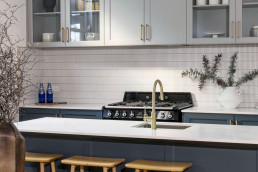
The kitchen remains a decisive room for buyers. Upgrading with high-performance appliances, custom cabinetry, and premium surfaces enhances daily function and signals overall quality, both of which can persuade buyers to pay a premium.
Which High-End Kitchen Appliances Boost Resale Value?
Buyers increasingly favour energy-efficient and connected appliances from reputable brands. These products combine longevity, convenience, and lower operating costs, attributes that translate to higher perceived value. Commonly sought-after items include:
- Smart Refrigerators: Connected features add convenience and help manage energy use, appealing to modern buyers.
- Professional-Grade Ovens: Robust performance and chef-oriented features attract culinary-minded buyers and enhance perceived luxury.
- Dishwashers with Energy Star Ratings: Lower energy and water use is both practical and attractive to eco-conscious purchasers.
How Do Custom Cabinetry and Premium Materials Impact Kitchen Appeal?
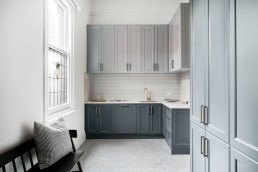
Custom cabinetry optimises layout and storage while premium materials, stone countertops, hardwood accents, and durable hardware create a cohesive, high-quality look. Thoughtful details like soft-close drawers and pull-out organisers improve everyday usability and signal meticulous craftsmanship to buyers.

How Do Premium Bathroom Renovations Influence Home Resale Prices?
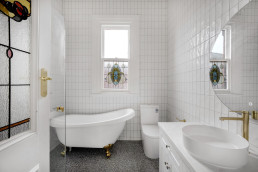
Bathroom upgrades are often high-impact because they directly affect a buyer’s sense of comfort and luxury. Spa-inspired finishes, durable materials, and efficient fixtures can transform a bathroom from functional to memorable.
What Spa-Like Bathroom Features Attract Luxury Buyers?
Luxury buyers tend to prioritise features that enhance relaxation and convenience. Examples include:
- Freestanding Tubs: A sculptural tub creates an immediate sense of luxury and becomes a visual focal point.
- Heated Floors: Comfort-focused upgrades like radiant heating are subtle but highly valued in premium homes.
- Custom Cabinetry: Tailored storage solutions improve functionality and keep the space feeling organised and upscale.
Which Bathroom Upgrades Offer the Best Return on Investment?
Quality fixtures and practical, energy-conscious choices tend to deliver the best returns. Features such as rainfall showerheads, double vanities, and efficient water fixtures combine luxury with everyday value, appealing to buyers.
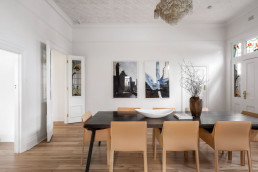
Can Smart Home Technology Increase Your Property's Resale Value?
Integrated smart-home systems are increasingly expected in the luxury segment. They improve convenience, energy management, and security, attributes that resonate strongly with tech-savvy, high-end buyers.
What Smart Home Systems Are Most Valued in Luxury Markets?
In luxury listings, buyers commonly seek:
- Centralised Control Systems: A single interface for lighting, climate, and entertainment simplifies daily life and appeals to buyers who value cohesion.
- AI-Driven Energy Monitoring: Automated energy insights help reduce costs and demonstrate a home’s efficiency credentials.
- Integrated Security Systems: Advanced monitoring and access control are essential for privacy and peace of mind in high-end properties.
How Has Smart Technology Adoption Grown in Melbourne Luxury Homes?
Adoption in Melbourne’s luxury market has accelerated, with modern buyers increasingly expecting automation and smart controls. This trend mirrors a global shift toward homes that combine convenience, efficiency, and secure connectivity.
Why Are Energy-Efficient Features Essential for Luxury Home Resale?
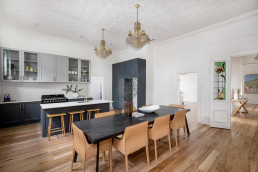
Energy-efficient features matter because they reduce operating costs and reflect a homeowner’s long-term thinking, qualities buyers prize. Sustainable systems also align with rising environmental expectations among premium buyers.
Which Energy Efficient Installations Deliver the Highest Resale Impact?
Several energy-focused upgrades consistently show strong resale appeal:
- Improved Insulation: Better insulation raises comfort and efficiency, improving a home’s overall marketability.
- High-Performance Glazing: Energy-efficient windows reduce heating and cooling demand and enhance comfort.
- Solar Installations: Solar panels are prized for long-term savings and sustainability credentials.
How Do Solar Panels and Double Glazing Enhance Property Value?
Solar arrays and double-glazed windows improve a home’s cost profile and sustainability narrative. Buyers often view these installations as practical investments that reduce ongoing expenses and future-proof the property.
How Do Outdoor Living Spaces and Landscaping Affect Luxury Home Value?
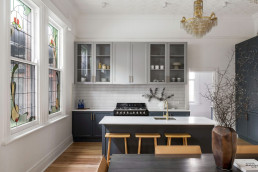
Thoughtful outdoor design extends living space and strengthens curb appeal, two powerful drivers of buyer preference in the luxury market. Well-planned exteriors create lifestyle opportunities that matter to premium purchasers.
What Outdoor Features Most Appeal to Premium Homebuyers?
High-end buyers commonly look for outdoor amenities that support entertaining and relaxation, including:
- Covered Terraces: These expand usable living areas year-round and protect against the elements.
- Outdoor Kitchens: Designed for entertaining, outdoor kitchens add lifestyle value and can be a standout feature.
- Swimming Pools: A well-maintained pool remains a strong selling point for many luxury properties.
How Does Quality Landscaping Influence Buyer Perception and Resale?
Thoughtfully executed landscaping creates an inviting first impression and signals ongoing care. Mature plantings, cohesive hardscaping, and low-maintenance design can all increase desirability and help justify a higher asking price.

What Role Do Home Extensions and Custom Flooring Play in Resale Value?
Strategic extensions and premium flooring broaden a home’s appeal by adding usable space and durable, attractive finishes. These improvements often target practical needs while reinforcing a sense of quality throughout the property.
Which Home Additions Offer the Best Return on Investment?
Certain additions typically deliver strong returns, such as:
- Quality Extensions: Thoughtfully designed additions increase functional living space and can significantly raise value.
- Custom Features: Unique, well-executed design elements and high-quality materials resonate with buyers seeking distinction.
- Energy-Efficient Upgrades: These improvements improve comfort and appeal to buyers focused on sustainability and lower operating costs.
How Do Premium Flooring Options Enhance Luxury Home Appeal?
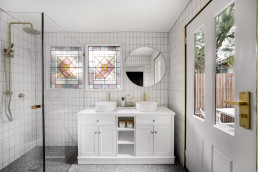
Durable, attractive flooring, like hardwood or large-format porcelain tile, adds visual warmth and longevity. Premium floors reduce maintenance concerns and contribute to a cohesive, high-end finish that buyers appreciate.
Conclusion
Investing selectively in high-end features can meaningfully boost resale value. Prioritise upgrades that improve daily living and speak to buyer priorities, luxurious kitchens and bathrooms, integrated smart systems, energy efficiency, and well-designed outdoor areas. With the right strategy, these improvements not only elevate comfort but also increase market appeal and financial returns. Explore our expert resources to plan upgrades that best align with your property and market goals.
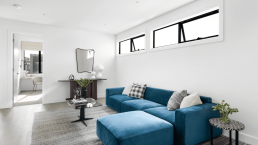
Custom Build vs Volume Builder: What You’re Really Paying For High-End Residential Construction
Building a new home means making choices that shape your budget, timeline, and day‑to‑day living. One of the first and most consequential decisions is whether to commission a custom build or work with a volume builder. Each path affects design control, material standards, costs, and future resale differently. This article breaks down the differences so you can make a confident, clear decision.
The Melbourne luxury build market is evolving quickly, and it’s easy to lose sight of where your money goes. Below, we unpack the practical trade‑offs between bespoke construction and volume production, showing how material selection, timelines, and design options translate into real value for homeowners.

Design Flexibility
Design flexibility is one of the clearest contrasts between custom and volume approaches. Custom builders design around your brief: layouts, architectural details, and finishes are tailored to your lifestyle. That level of control allows you to prioritise the features that matter most. Volume builders, by contrast, work from fixed plans created for efficiency; those standard options keep costs down but limit personalisation.
A custom approach often leads to a stronger emotional connection to the home because it reflects how you live. If having unique spaces, specific sightlines, or bespoke features is important, custom construction typically delivers higher homeowner satisfaction.
Material Quality
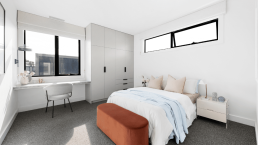
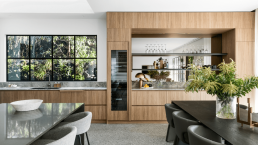
Material choice directly affects a home’s durability, look, and running costs. Custom projects typically specify higher‑grade materials and finishes that enhance longevity and aesthetic appeal. Volume builders tend to use standardised, cost‑effective products to maintain price consistency across many homes.
Investing in better materials can pay off through improved energy performance and reduced maintenance over time. For many homeowners, those long‑term savings and the elevated finish justify the initial premium of a custom build.
If material quality is a priority, it’s worth reviewing supplier lists and product specifications early in the process. Custom builders generally offer broader access to premium options, so you can align the final outcome with your expectations.

Resale Value
Resale value matters whether you plan to move or simply want to protect your investment. Custom homes, with distinctive design and higher‑grade finishes, often command a premium because they stand out. Buyers are typically prepared to pay more for features and quality that feel unique.
In addition to unique architectural elements and premium materials, custom homes often offer opportunities for upgrades and additions that can further enhance resale value. These may include smart home technologies, energy-efficient systems, bespoke landscaping, and additional living spaces such as home offices or outdoor entertainment areas. Such enhancements not only increase the home’s appeal but also demonstrate thoughtful investment in quality and functionality, which can attract discerning buyers willing to pay a premium.
Standardised volume homes usually compete more heavily on location and price. Their broad appeal can be an advantage in some markets, but in others, the lack of distinction may limit how much buyers are willing to pay. While volume builders may offer upgrade packages, these are often limited in scope and may not significantly impact the home’s uniqueness or long-term value. Buyers in competitive markets may prioritize customization and quality features that set a property apart, which volume homes may lack.
Factors Influencing Pricing Decisions
Several elements drive the cost of custom construction: the materials you choose, the availability and skill level of tradespeople, and the fees for design and project management. Premium materials and highly skilled labour both increase costs, but they also influence the finished quality.
Design fees and ongoing project oversight add to the total as well. Budgeting accurately for these components up front helps avoid surprises and ensures the final price reflects the level of finish you expect.
What Are the Key Differences Between Custom Builders and Volume Builders?
The key differences between custom builders and volume builders can be summarised as follows:
- Design Flexibility: Custom builders deliver tailored designs; volume builders use fixed plans for efficiency.
- Material Quality: Custom builders typically specify premium materials; volume builders favour standardised options.
- Cost Structure: Custom builds generally cost more upfront but can offer stronger long‑term value.
These distinctions should guide your decision depending on whether you prioritise control, initial cost or long‑term value.
How Does Bespoke Design Define Custom Build Projects?
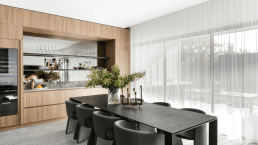
Bespoke design lies at the heart of custom projects: it’s about shaping a home to fit your needs rather than squeezing your life into a standard layout. That can include unique architectural elements, tailored spatial planning, and the integration of sustainable systems specific to your site and lifestyle.
Bespoke details not only elevate the aesthetic but also improve functionality, think layouts that capture light, storage designed around how you live, or materials chosen for both beauty and longevity. When executed well, bespoke design enhances both daily living and long‑term value.
For many homeowners, the flexibility to change and refine design decisions during the build is a major part of the appeal, and a primary reason people opt for custom over volume.

What Standardised Plans Do Volume Builders Offer?
Volume builders typically publish a set of standard plans developed for efficiency and broad market appeal. These plans prioritise predictable costs, faster delivery, and layouts that suit common buyer preferences. Customisation is usually limited to a selection of upgrade packages or minor plan tweaks.
That standardised approach can be a strength if you want a straightforward, lower‑risk build. But if your priorities include unique spatial solutions or high‑end finishes, the limits on customisation may be a drawback.
How Do Custom Home Construction Costs Compare to Volume Builder Pricing?
Comparing costs between custom and volume builds requires looking beyond the headline price. Custom projects carry higher initial costs for design time, specialist trades, and premium materials. Yet those choices can reduce running costs and support stronger resale outcomes.
Volume builders offer appealing entry prices, but consider the lifetime implications: lower‑grade fittings, less efficient systems, and a narrower finish palette can increase running and maintenance expenses, and may reduce long‑term marketability.
What Factors Influence the Cost of Luxury Custom Builds in Melbourne?
Several factors influence the cost of luxury custom builds in Melbourne, including:
- Material Quality: Higher‑grade materials increase costs but improve durability and finish.
- Labor Costs: Skilled trades command premium rates, which affect the overall budget.
- Design Complexity: Intricate geometry, specialised details, and bespoke elements require more time and resources.
Knowing how these variables interact helps you prioritise where to invest for the best outcome.
Are Volume Builders Adopting Sustainability in Their Standard Plans?
Some volume builders are starting to include basic sustainability measures in their standard offerings, improved insulation, efficient hot‑water systems, and LED lighting, among them. However, the depth and flexibility of sustainable options usually lag behind what you can achieve with a custom project.
If sustainability is a core priority, assess the available options carefully and discuss targeted upgrades early, whether you choose a volume or custom route.

Conclusion
Choosing between a custom build and a volume builder comes down to priorities: control, material standards, and long‑term value versus predictability, speed, and lower upfront cost. Custom builds deliver tailored design and higher‑end materials that often translate into stronger resale potential and lower lifecycle costs. Volume builders can be a sensible choice for a streamlined, budget‑focused build. Evaluate your objectives, budget, and timeline, then choose the approach that best aligns with your long‑term goals.
Transparency in Construction: A Week on Site with a High-End Custom Home Builder
Transparency is a defining element of the luxury homebuilding experience. It means clear, consistent communication, visible reporting, and a visible commitment to quality, practices that build trust between a builder and their client. Drawing on a week spent on-site with a high-end custom home builder, this article breaks down the project phases, quality controls, and digital tools that keep clients informed. The goal: provide clients with practical insights so they can navigate the build with confidence and achieve better outcomes.
The construction sector frequently struggles with gaps in client communication and project coordination. When handled well, transparency addresses those gaps by providing clients with timely, relevant information on schedules, costs, and decisions, so they feel confident in their investment. Below, we explore how transparent practices improve luxury home builds and how builders keep clients looped in from start to finish.
How Does Transparency Enhance the Luxury Home Construction Process?
In luxury home building, transparency means sharing the right information at the right time. That openness strengthens trust, improves decision-making, and reduces surprises. Practical examples include routine progress updates, straightforward timelines, and candid conversations about challenges and trade-offs. Those habits shape a more collaborative relationship and smoother project delivery.
For custom builders, transparency is also a market differentiator. Demonstrating reliable communication and visible quality standards attracts discerning clients, encourages repeat business, and drives referrals, key drivers for sustainable growth in the high-end segment.
In short, strong quality management paired with clear communication is essential to satisfy demanding, high‑income clients in the luxury market.
What Are the Key Project Phases in High-End Custom Home Builds?
A high-end custom build follows distinct phases, each one essential to the outcome. Clients who understand these stages can engage more effectively and set sensible expectations throughout the process.
| Project Phase | Description | Importance |
| Pre-Construction | Planning, design development, budgeting, and securing permits. | Establishes scope, schedule, and cost foundations for the entire project. |
| Construction | The on-site build: excavation, framing, MEP (mechanical, electrical, plumbing), finishes, and systems integration. | Where quality control and schedule discipline deliver the client’s vision. |
| Post-Construction | Final inspections, client walkthroughs, commissioning, and punch‑list resolution. | Confirms performance and finishes; secures client satisfaction and project closeout. |
These phases make clear where quality checks and client decisions matter most. Staying informed at each stage helps clients protect their schedule, budget, and final quality.
How Is Quality Assurance Integrated Throughout Construction?
Quality assurance on luxury projects is systematic and proactive. It includes scheduled inspections, compliance with codes and specifications, and the use of vetted, premium materials. Builders layer quality checkpoints across phases to catch issues early, reduce rework, and keep the project on track.
Certifications and recognised standards reinforce transparent practice. Builders who follow established quality frameworks make their processes traceable, providing clients with additional confidence in craftsmanship and performance.
What Does a Typical Week on Site Reveal About Builder Transparency?
Observing a week on-site shows how transparency operates in daily routines: coordinating subcontractors, performing inspections, updating schedules, and communicating progress and decisions. Those visible activities signal a disciplined approach to delivery.
Client touchpoints are woven into the week. Regular check-ins, progress reviews, and walkthroughs keep clients aware of status and emerging issues, creating a partnership rather than a one‑way transaction.
How Are Construction Progress and Milestones Reported to Clients?
Effective reporting combines narrative, visuals, and scheduled review points so clients clearly understand where the project stands. Common reporting practices include:
- Weekly Progress Reports: Concise summaries of completed work, upcoming tasks, and any decisions needed.
- Visual Documentation: Photos and short videos that show actual site conditions and recent milestones.
- Milestone Meetings: Planned discussions to review progress, confirm selections, and resolve open items.
Together, these methods reduce uncertainty and help manage expectations as the build advances.
Which Digital Tools Support Real-Time Transparency on Site?
Digital tools make information accessible and traceable. The most effective solutions include:
- Project Management Software: Centralised platforms for schedules, RFIs, change orders, and status updates.
- Mobile Apps: On-the-go access for photos, daily logs, and push notifications about key developments.
- Cloud Storage Solutions: Secure document repositories for plans, permits, and reports shared with clients.
Those tools not only speed communication but also give clients a clear, auditable view of progress and decisions.
Industry experts note that digital solutions centralise and structure information flow, making communications traceable and reducing misunderstandings.
How Do Custom Home Builders Ensure Effective Client Communication?
Clear client communication is planned, not accidental. Builders use a mix of scheduled contacts, feedback channels, and named points of contact to keep conversations timely and useful. Typical strategies include:
- Regular Updates: Consistent status reports and proactive notifications when decisions are required.
- Feedback Mechanisms: Structured ways for clients to share preferences and concerns at key decision points.
- Dedicated Points of Contact: A primary project manager or client liaison who coordinates information and next steps.
Prioritising communication reduces friction, keeps schedules aligned, and improves final satisfaction.
What Reporting Methods Keep Clients Informed During Construction?
Builders rely on several repeatable reporting tools to keep clients up to date:
- Daily Logs: Records of on-site activity, manpower, deliveries, and issues encountered.
- Progress Photos: Visual records that document workmanship and milestone completion.
- Scheduled Meetings: Regularly planned reviews to answer questions and confirm upcoming decisions.
These practices create a continuous narrative of the project, so clients always know what has happened and what comes next.
How Are Client Feedback and Consultations Managed Transparently?
Transparent feedback management uses clear channels and documented outcomes. Common approaches are:
- Surveys: Brief, targeted questionnaires to capture client sentiment at key stages.
- Consultation Meetings: Focused sessions to review selections, resolve issues, and record decisions.
- Open-Door Policies: Encouraging clients to raise concerns promptly while recording responses and actions.
Proactively soliciting and recording feedback helps align expectations and reduces the risk of late-stage disputes.
What Are the Benefits of Transparency in Luxury Residential and Commercial Projects?
Transparent practices deliver clear business and client benefits. Principal advantages include:
- Enhanced Trust: Openness builds a reliable working relationship between builder and client.
- Improved Client Satisfaction: Well-informed clients are more comfortable with decisions and outcomes.
- Increased Referrals: Satisfied clients are more likely to recommend the builder to peers.
These outcomes are especially important in high-end work, where expectations and reputational stakes are high.
How Does Transparency Impact Project Outcomes and Client Satisfaction?
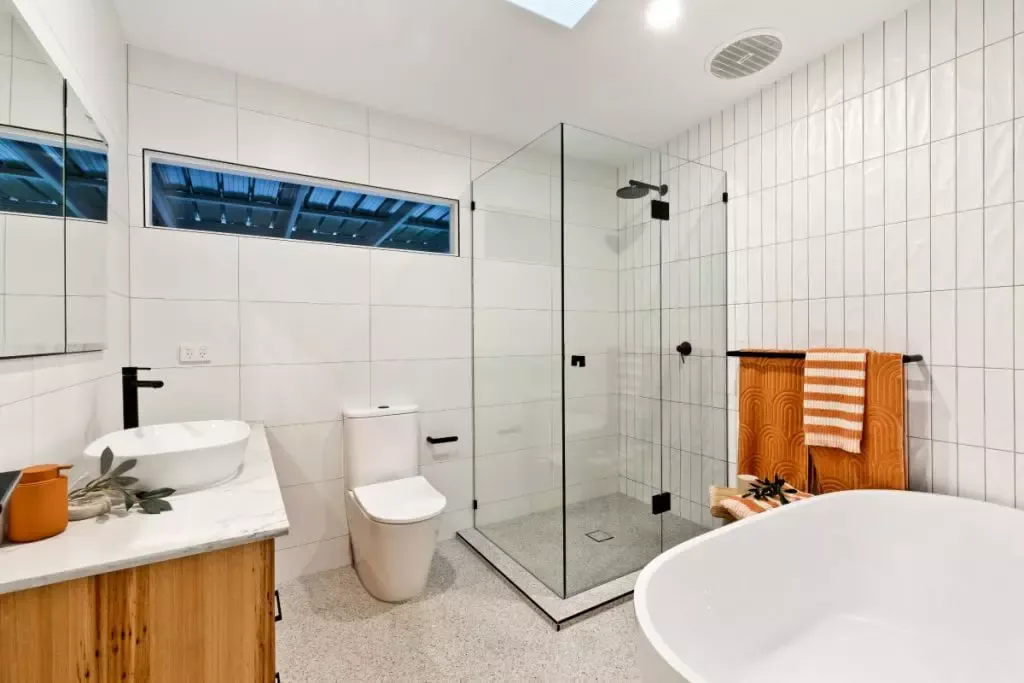
Transparency directly improves outcomes. When builders share progress and issues openly, clients stay engaged and can act quickly, leading to:
- Fewer Misunderstandings: Clear, documented communication reduces disputes and confusion.
- Timely Issue Resolution: Early awareness allows faster, less costly solutions.
- Higher Overall Satisfaction: Clients who feel informed and involved report better outcomes.
In practice, transparent workflows deliver smoother projects and stronger client relationships.
What Quality Standards and Certifications Support Transparent Practices?
Recognised standards make processes verifiable and transparent. Relevant certifications include:
- ISO 9001: A framework for consistent quality management systems.
- LEED Certification: Recognition for sustainable, environmentally responsible building practices.
- National Association of Home Builders (NAHB) Certification: Industry credentials that reflect adherence to accepted best practices.
Holding these certifications gives clients added assurance that a builder follows reliable, documented procedures.
Which Case Studies Showcase Successful Transparency in High-End Builds?
Several projects illustrate the practical benefits of transparent processes. Examples include:
- Project A: A luxury residence that used real-time project management software to improve client visibility, resulting in on-time delivery and high client satisfaction.
- Project B: A commercial build with regular stakeholder meetings that promoted collaboration and delivered expected outcomes.
- Project C: A custom home that achieved LEED certification, demonstrating a commitment to sustainability and documented quality.
These cases show how deliberate transparency improves both process and outcome.
What Lessons Do Luxury Home Projects Offer on Transparent Construction?
High-end projects consistently teach three practical lessons:
- Prioritise Communication: Frequent, meaningful updates keep clients aligned and reduce surprises.
- Embrace Technology: Digital tools make information more accessible, auditable, and timely.
- Seek Feedback: Regular input from clients improves decisions and strengthens relationships.
Applying these principles helps builders deliver higher-quality outcomes that meet client expectations.
How Do Commercial Building Projects Differ in Transparency Approaches?
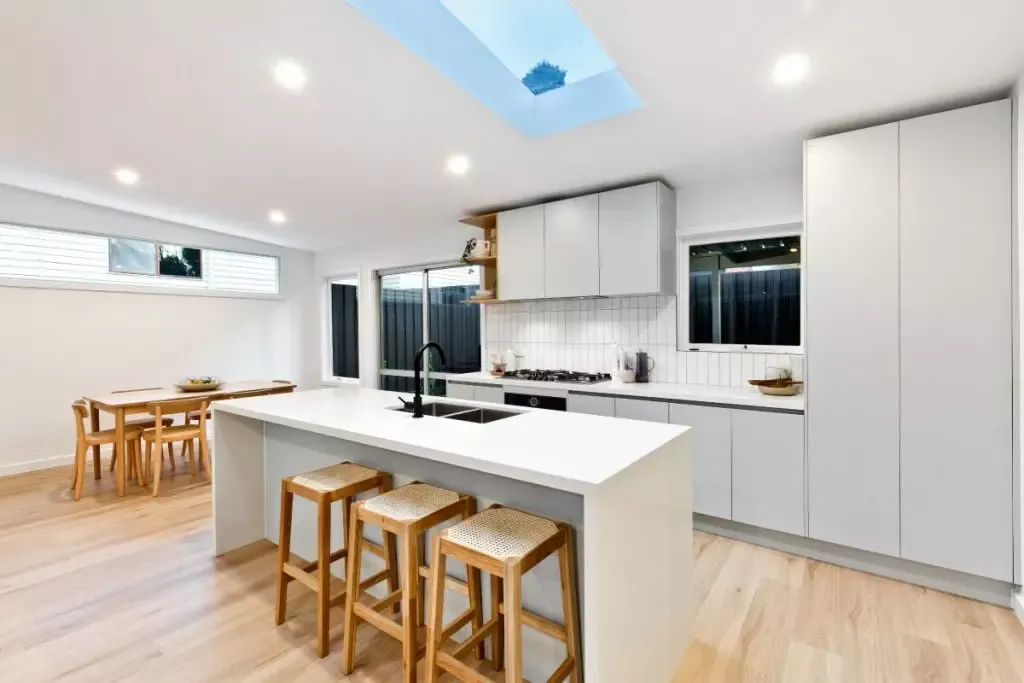
Commercial projects often demand different transparency tools and rhythms than residential builds. Key differences include:
- Stakeholder Involvement: More stakeholders require structured, formal communication plans.
- Regulatory Compliance: Greater focus on documentation and approvals improves traceability.
- Project Complexity: Larger scopes often need more detailed reporting and coordination.
Recognising these differences allows builders to tailor transparency to the project’s scale and stakeholder needs.
How Can Clients Engage with Builders to Maximise Transparency?
Clients can take practical steps to improve transparency on their projects. Effective actions include:
- Ask Questions: Request clarifications early and document responses.
- Request Regular Updates: Agree on a cadence for reports and meetings upfront.
- Provide Feedback: Share preferences and concerns promptly so they can be addressed while options remain open.
Active, structured engagement helps clients get the information they need and contributes to a smoother build.
What Should Clients Expect During a Custom Home Build Week?
A typical week on a custom build includes predictable touchpoints and on-site activity. Expect:
- Daily Site Visits: Opportunities to review progress and meet the team, when scheduled.
- Regular Updates: Briefs on completed work, upcoming tasks, and any decisions required.
- Client Meetings: Planned check-ins to resolve questions and confirm selections.
Knowing this rhythm makes the process feel more manageable and transparent for clients.
How Do Transparent Contracts and Reporting Tools Facilitate Trust?
Clear contracts and consistent reporting create a shared reference for decisions and expectations. Key elements that build trust include:
- Clear Terms: Contracts that specify scope, timelines, responsibilities, and change procedures.
- Regular Reporting: Documented updates that record progress and deviations from the plan.
- Open Communication: A culture that welcomes questions and records responses to create an auditable trail.
When contracts and reporting are transparent, disputes decline, and confidence rises, benefitting both client and builder.
Conclusion
Transparency is not an add-on; it's an operating principle that improves satisfaction, lowers risk, and strengthens outcomes on luxury builds. By combining clear communication, disciplined quality practices, and the right digital tools, builders can keep clients informed and engaged from concept to handover. If you want a construction partner that prioritises clarity and craftsmanship, discover how our team elevates the custom home experience.

5 Essential Questions to Ask Your Builder Before You Sign a Contract for a High-End Residential Home Build
Starting a high-end residential home build or renovation is exciting, and asking the right questions up front makes the difference between a smooth project and a stressful one. Before you sign, you should be confident in your builder’s qualifications, the contract terms, and how you’ll communicate through the job. This guide walks you through five key questions that help you verify credentials, read important contract clauses, set realistic timelines, and keep communication clear so your luxury home project stays on track.
Picking the right builder for a high-end residential home build matters; research highlights specific success factors that shape project outcomes.
How Can You Verify a Builder's Credentials and Experience for Your High-End Residential Home Build?
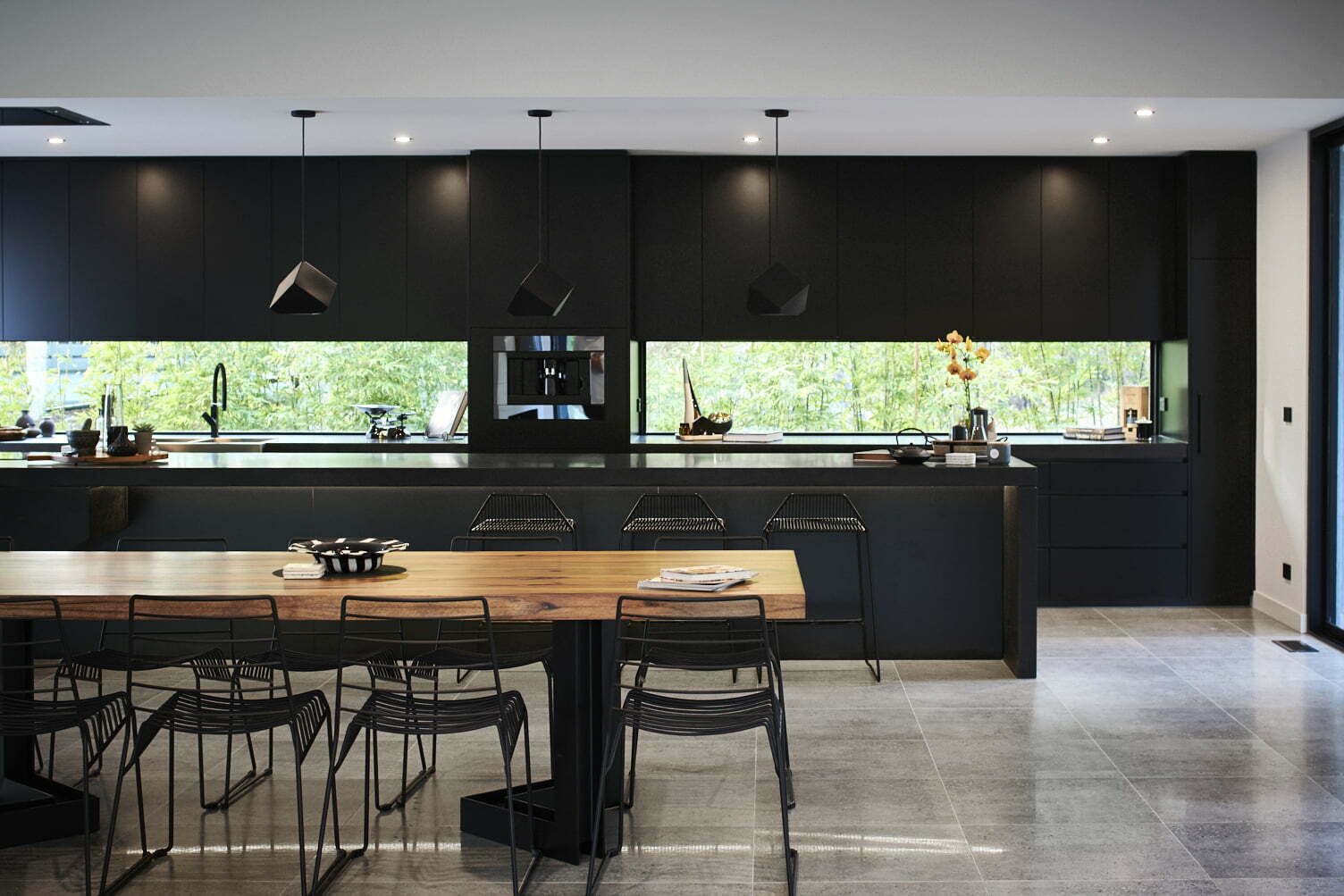
Verifying a builder’s background is one of the best ways to reduce risk in a high-end residential home build. That means confirming licenses and certifications, reviewing past projects, and asking for client references. Together, these checks give you a clearer picture of a builder’s skills, reliability, and whether their work matches the high standards expected in luxury home construction.
What Licences and Certifications Should a Qualified Builder Have for Luxury Home Construction?
Required licences and certifications vary by region, but common credentials include a valid general contractor licence and any trade-specific registrations. Memberships or certifications from recognised industry bodies (for example, trade associations) signal a commitment to standards and ongoing professional development. Always verify licences directly with the issuing authority to ensure your high-end residential home build complies with all regulations.
How to Review a Builder's Portfolio and Past Projects Effectively for High-End Residential Home Builds?
When you look at a portfolio, focus on quality and relevance to luxury homes. Seek projects that mirror your scope and style, and inspect details like finishes, material choices, and overall workmanship. Ask for recent references and contact past clients about timelines, communication, and how the builder handled unexpected issues. First-hand feedback often reveals more than photos, especially for high-end residential home builds where attention to detail is critical.
What Key Contract Terms Should You Understand Before Signing for a High-End Residential Home Build?
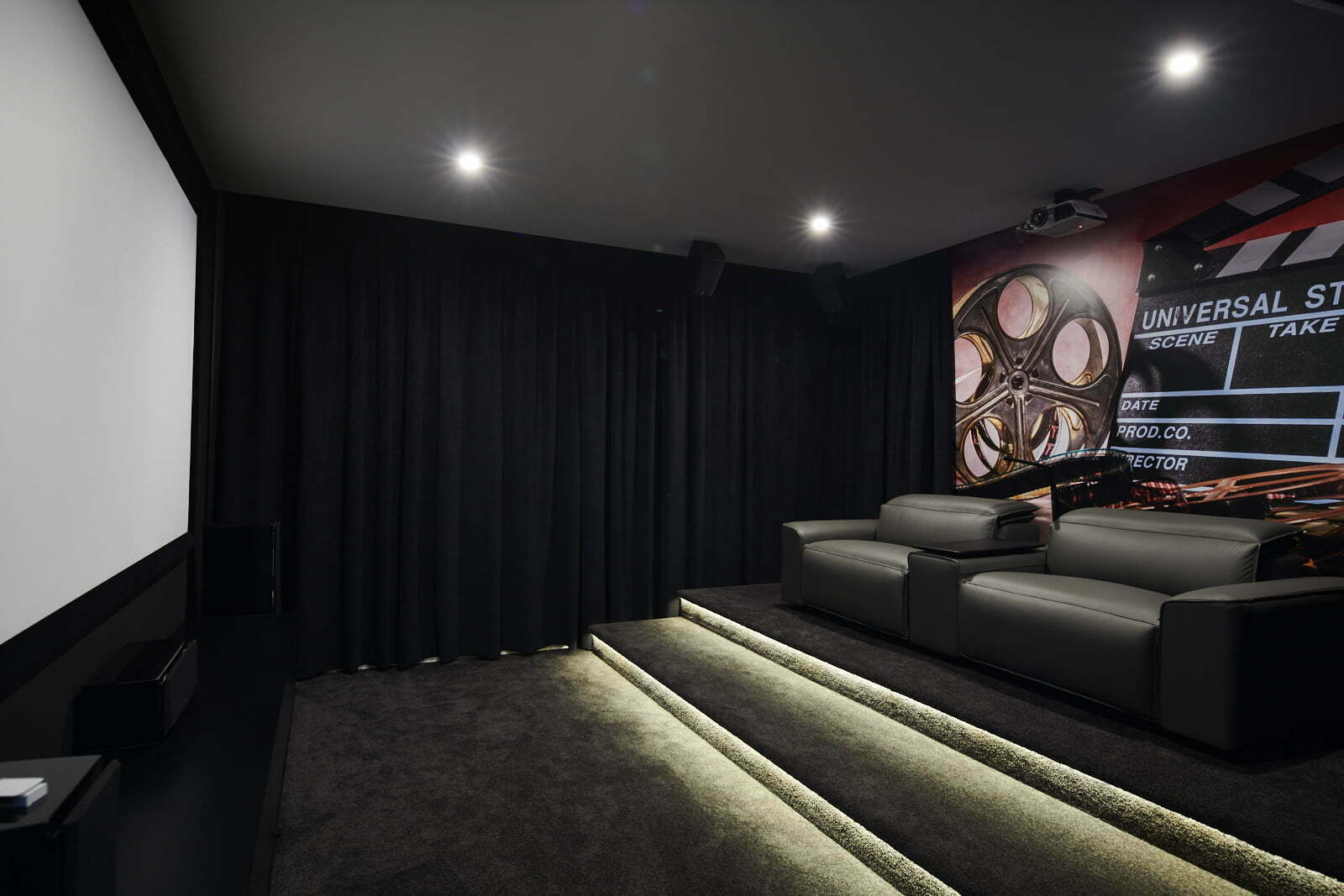
A clear contract protects both you and the builder in a high-end residential home build. It should spell out exactly what will be built, how payments are handled, and when milestones are expected. Knowing the important clauses ahead of time helps prevent disputes and keeps the project moving smoothly.
Which Contract Clauses Are Critical for Protecting Your Interests in Luxury Home Construction?
Several clauses are especially important for homeowners undertaking a high-end residential home build:
- Scope of Work: Defines the builder’s responsibilities and what deliverables you should expect, tailored to the high standards of luxury home construction.
- Payment Schedule: Sets when payments are due, tied to milestones or completed work.
- Change Order Process: Explains how changes are requested, approved, priced, and recorded.
Clear language in these areas keeps expectations aligned and reduces the chance of costly surprises.
Pay particular attention to how changes are handled; research shows that change orders can substantially affect both cost and schedule.
How Can You Negotiate Payment Terms and Scope of Work for Your High-End Residential Home Build?
Aim for a payment plan tied to clear milestones, so you pay for measurable progress, not projections. Be explicit about what’s included in the scope and how extras will be priced. Negotiation is about clarity and fairness; a well-defined scope and payment schedule protect both parties and foster a cooperative working relationship, especially important in high-end residential home builds where budgets and expectations are significant.
What Should You Know About Project Timelines and Milestones for a High-End Residential Home Build?
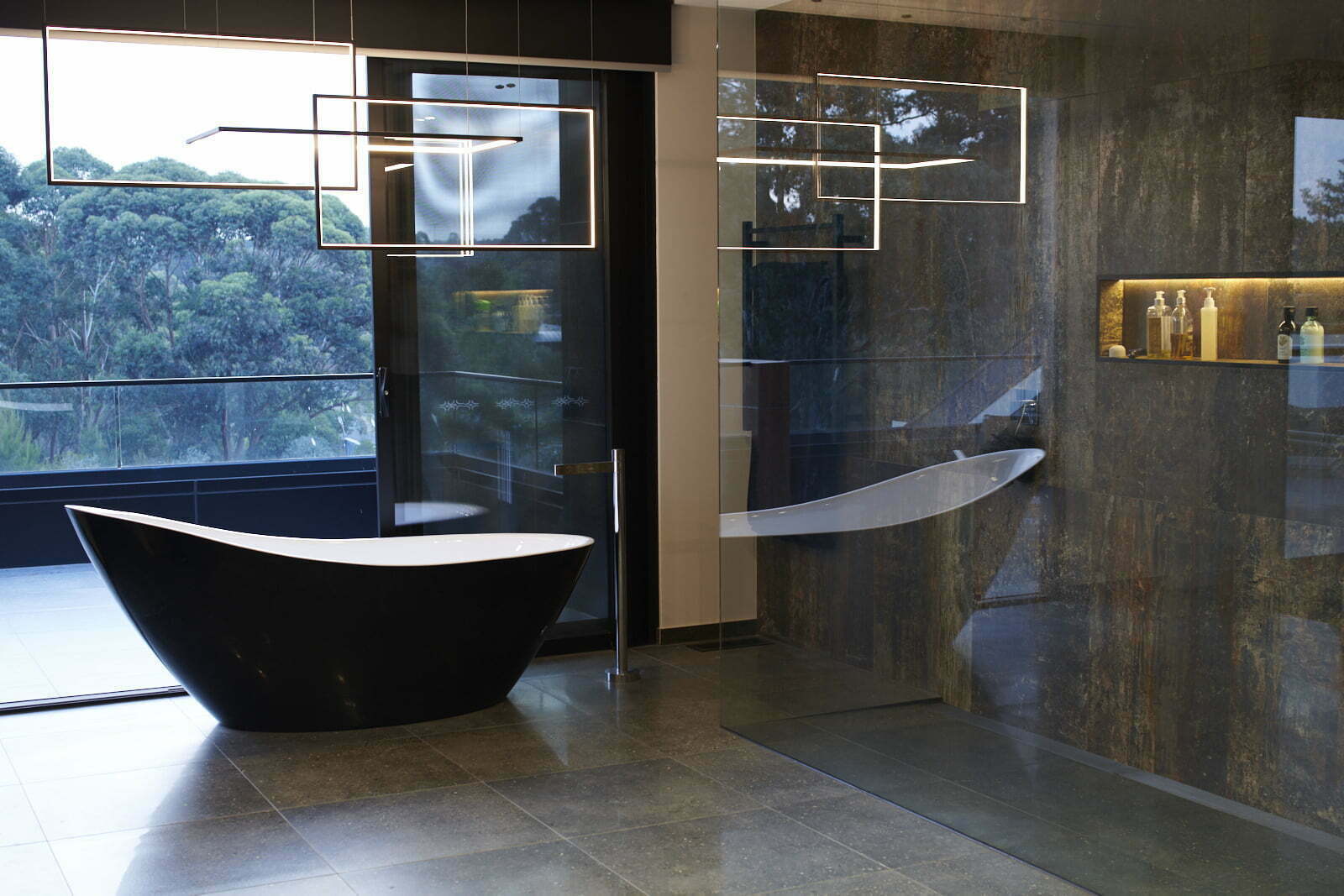
Realistic timelines keep expectations grounded. A good schedule accounts for project complexity, material lead times, and the builder’s current workload. Confirm key milestones and a completion window, then use regular progress checks to spot delays early in your luxury home construction.
How to Set Realistic Start and Completion Dates with Your Builder for a High-End Residential Home Build?
Discuss the project’s complexity, material availability, and the builder’s other commitments when setting dates. Build in buffers for known risks and agree on how schedule changes will be communicated and approved. Regular site updates make it easier to manage any shifts before they become major delays.
What Are Common Causes of Project Delays and How to Manage Them in Luxury Home Construction?
Weather, supply-chain shortages, and scope changes are frequent causes of delays. To manage them, keep communication open, document decisions, and agree on contingency steps in advance. Proactive planning and timely problem-solving limit disruptions and keep momentum on your high-end residential home build.
How Do Insurance and Warranty Affect Your High-End Residential Home Build?
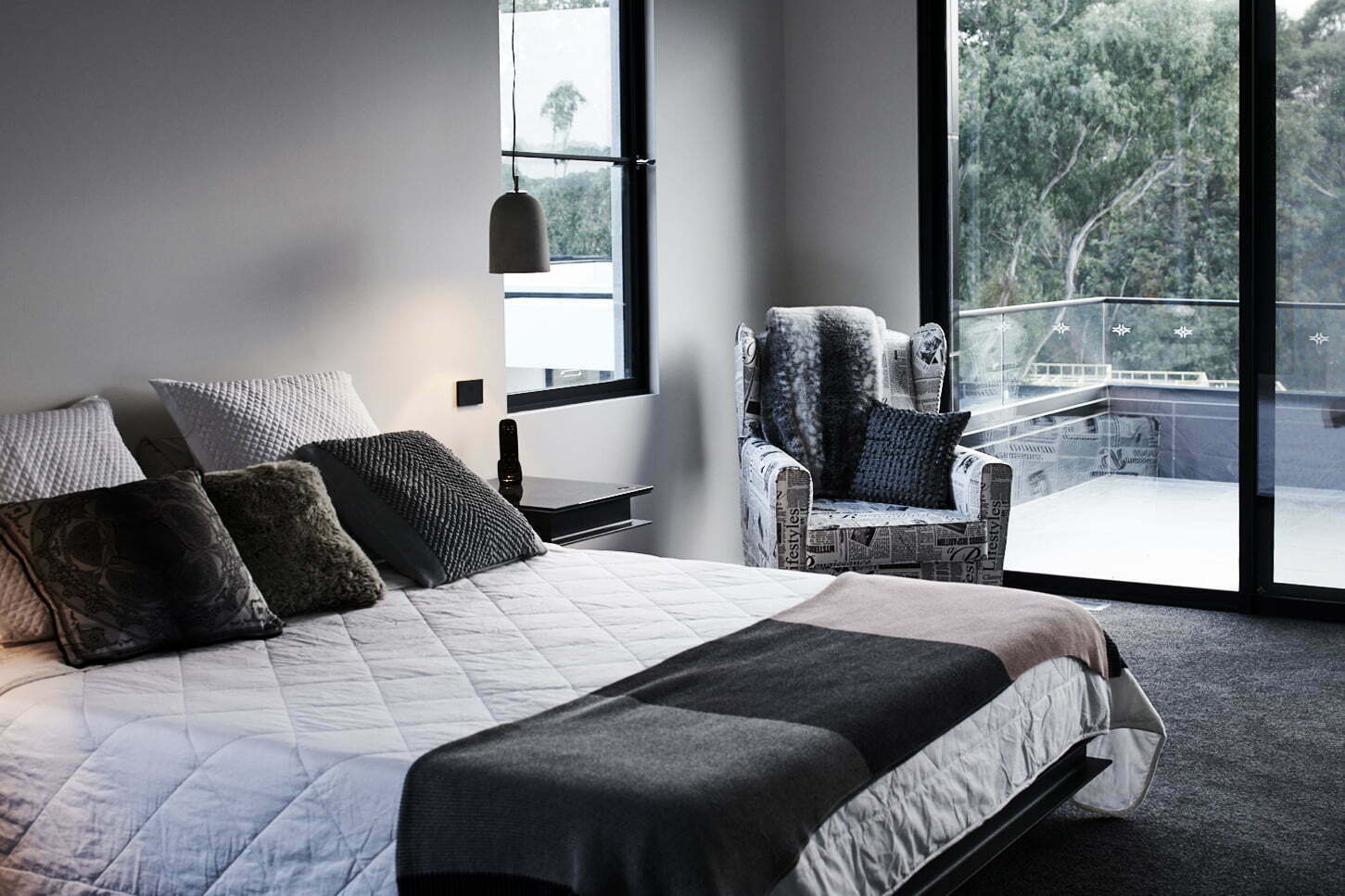
Insurance and warranties protect your investment during construction and after handover. Confirming the right coverage and understanding warranty terms gives you recourse if something goes wrong in your luxury home project.
What Types of Builder Insurance Should You Verify for a High-End Residential Home Build?
Before you hire, check that the builder carries appropriate policies, typically including:
- General Liability Insurance: Covers property damage and third-party injury claims.
- Workers' Compensation Insurance: Protects workers if they’re injured on site and shields you from related liability.
- Builder's Risk Insurance: Covers physical loss or damage to the project during construction.
Verifying these policies and requesting certificates of insurance reduces financial risk for you and the project.
What Warranty Coverage Should You Expect for Your High-End Residential Home Build?
Ask what the warranty covers, how long it lasts, and the claims process. Reputable builders typically warrant workmanship and materials for a specified period; get the details in writing so you know what’s covered and how to get repairs handled after completion of your luxury home.
How Can Effective Communication Prevent Disputes During Your High-End Residential Home Build?
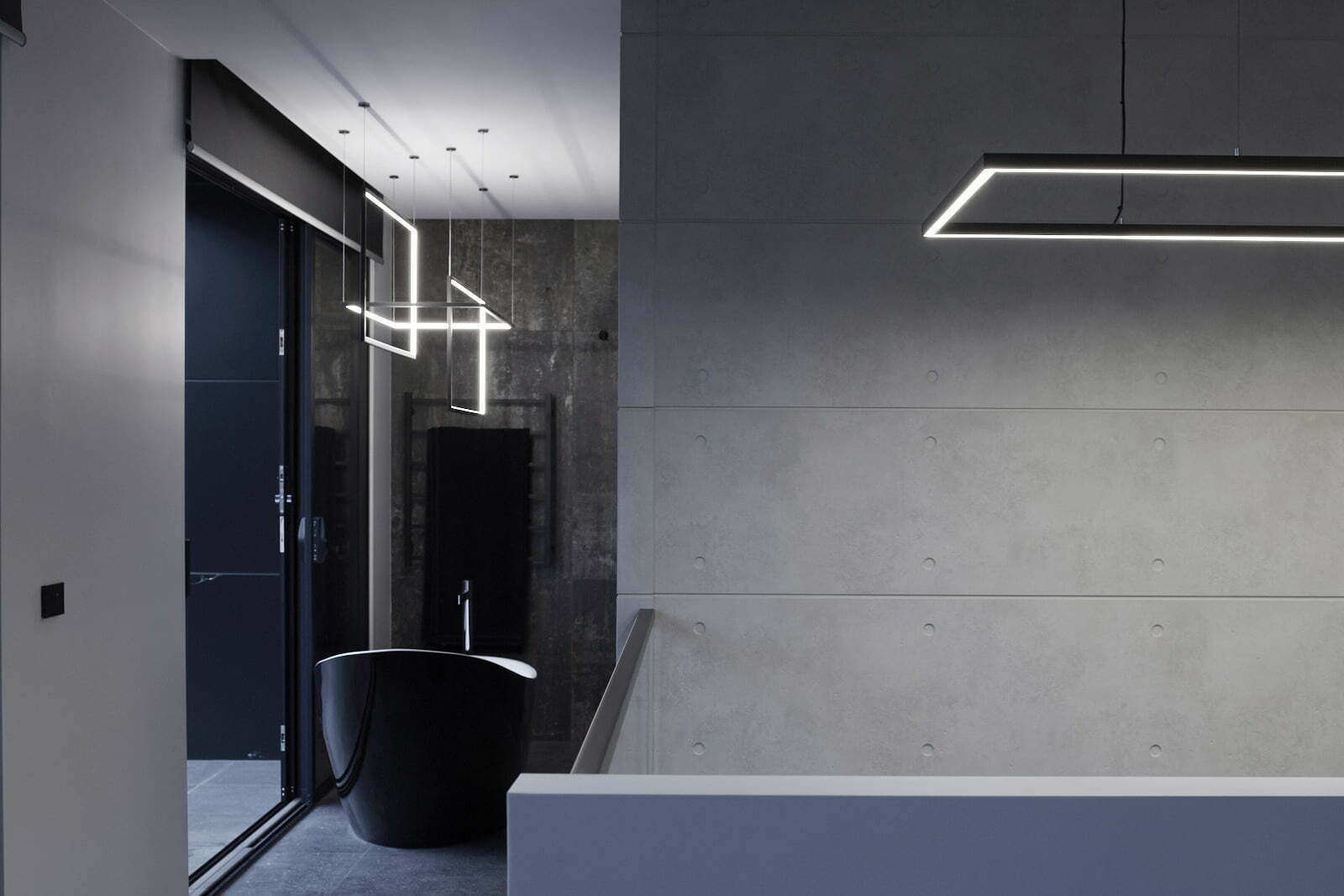
Clear, consistent communication prevents misunderstandings that turn into disputes. Establish preferred channels, agree on update frequency, and document key decisions so everyone stays aligned throughout your luxury home construction.
What Communication Methods and Frequency Should You Establish for a High-End Residential Home Build?
Agree on how you’ll communicate, email, phone, site meetings, or a shared project app, and set a regular update rhythm (weekly, biweekly, etc.). Routine check-ins and documented notes make it easier to track progress and address questions before they escalate.
How to Resolve Conflicts and Avoid Costly Disputes in Luxury Home Construction?
If issues arise, address them early and professionally. Start with a direct conversation to find a practical solution, and if necessary, use a neutral mediator to reach an agreement. Prioritising open communication and clear documentation reduces the risk of costly disagreements and preserves the working relationship.
Conclusion
Asking the right questions before you sign gives you control and confidence in your high-end residential home build. By checking credentials, understanding contract terms, agreeing on realistic timelines, and setting clear communication practices, you protect your investment and improve the chance of a successful outcome. Ready to move forward? Use these questions as a checklist, review our resources, and connect with experienced builders who match your luxury home project goals.
Essential Luxury Home Building Terms You’ll Hear During High-End Home Construction
If you’re moving through the world of high-end home construction, the jargon can feel overwhelming. Knowing the right words makes conversations with architects, contractors and designers smoother and keeps your project on track. This guide breaks down ten must‑know luxury construction terms, explains why they matter at each stage of a build, and shows how familiarity with this vocabulary helps you make clearer decisions and avoid costly surprises.
What Are the Key Terms in Luxury Residential Construction?
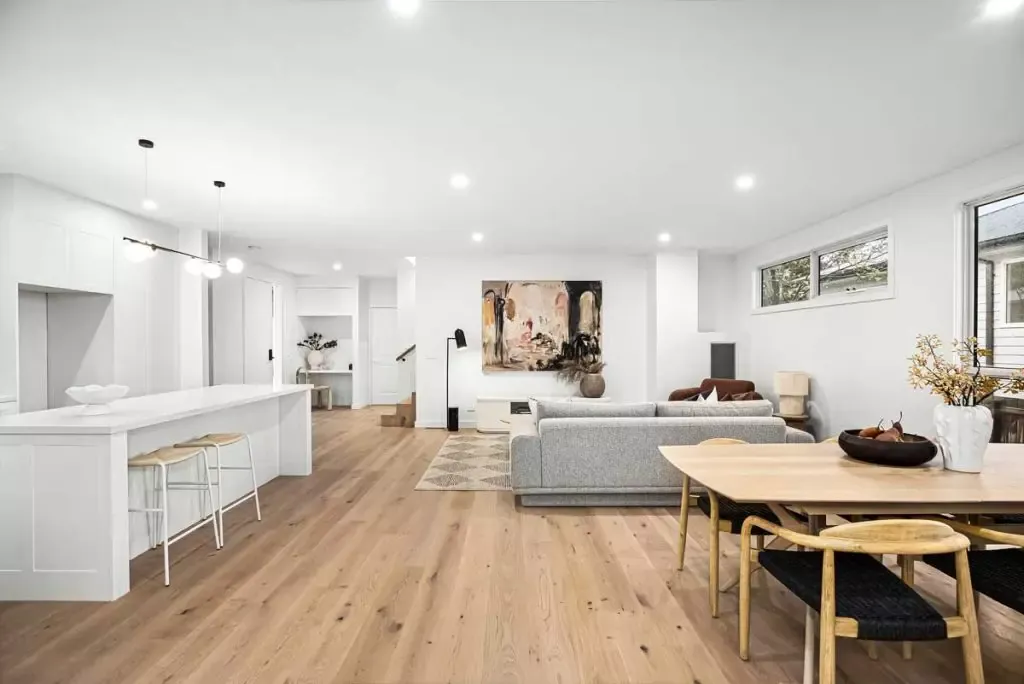
Luxury residential projects use specific terms to describe processes, documents and materials essential to delivering quality results. Learning these terms gives you better control of the process, improves communication with the team and helps you set realistic expectations for time and cost.
What Does 'Punch List' Mean in High-End Construction?
A punch list records the remaining items that must be finished or corrected before a project is considered complete. It typically contains small fixes, paint touch‑ups, trim adjustments, loose fixtures or final checks measured against your expectations and contract requirements. The punch list is a critical tool at closeout to ensure the high-end home is handed over exactly as intended.
How Is a 'Change Order' Used to Modify Construction Contracts?
A change order is the formal paper trail for any change to the original contract, scope, materials or price. These arise from design tweaks, unforeseen site conditions or client requests. Because change orders affect schedule and budget, understanding how they’re documented and approved helps you manage cost and timing with confidence.
How Do These Terms Relate to the Phases of High-End Construction?
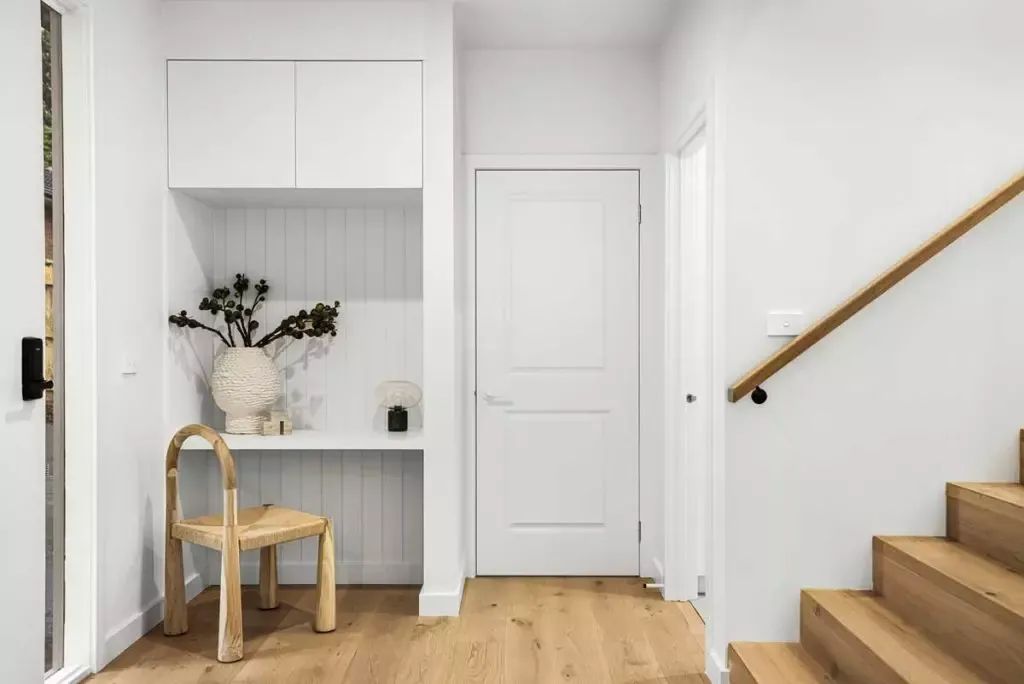
Construction unfolds in distinct phases, and each phase has its own language. Knowing which terms apply where helps you follow progress, ask the right questions and spot potential issues early.
Which Terms Are Common During Project Initiation and Design?
During the initiation and design phases you’ll hear terms that define how the project will be built and what it will look like:
- Blueprints: The detailed architectural drawings that show layout, dimensions and design intent, your visual roadmap for the build.
- Specifications: Written standards that describe materials, finishes and workmanship quality so every trade knows the expected level of finish.
- Site Plan: A drawing that shows the property layout, building placement, landscaping, access and utility connections, so the home fits the land and complies with local rules.
These documents shape the project scope and define what you’ll ultimately receive.
What Terms Define the Construction and Closeout Phases?
When construction is underway and as you approach handover, different terms become central to managing completion and compliance:
- Subcontractor: A specialist trade hired to perform a portion of the work, electricians, plumbers, cabinetmakers, whose coordination is essential to quality and schedule.
- Final Inspection: The comprehensive walkthrough, often by local authorities or an independent inspector, to confirm the build meets code and contract requirements before occupancy.
- Certificate of Occupancy: The official document that verifies the building is safe to occupy and that required inspections have been passed.
Understanding these terms helps you track progress and know when the home is truly ready.
Why Is Understanding Luxury Home Building Terminology Important for Clients?
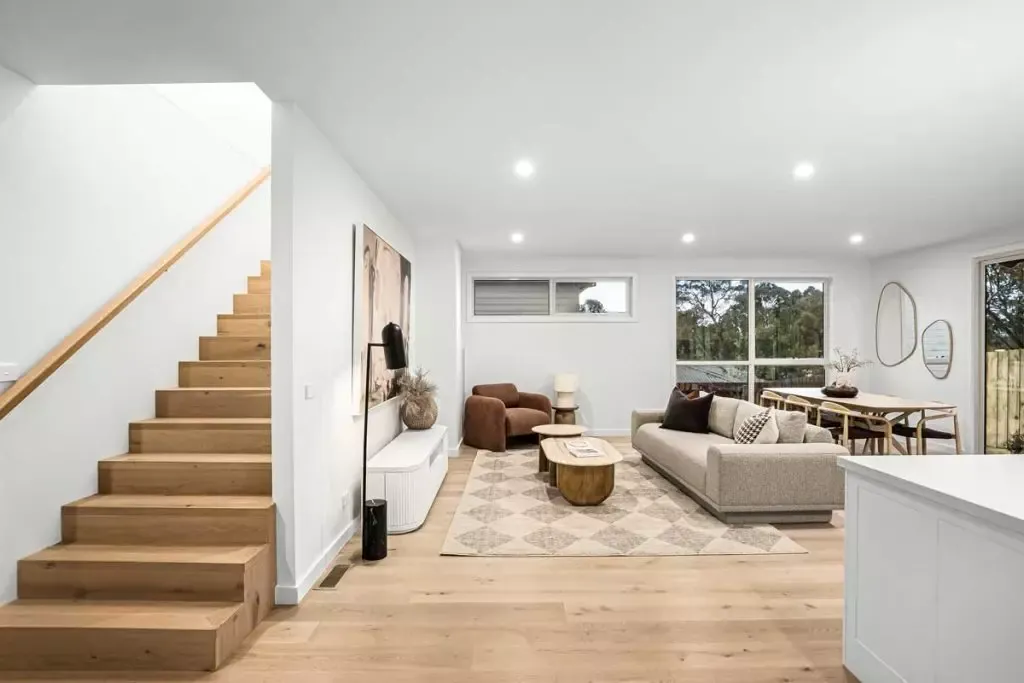
Familiarity with construction vocabulary protects your investment: it improves communication, reduces surprises and empowers you to make timely, informed decisions throughout the build.
How Does Knowing These Terms Improve Project Communication?
When you use the same language as your project team, instructions are clearer and misunderstandings are fewer. For example, knowing what belongs on a punch list helps you prioritize final fixes and avoids back‑and‑forth after handover. Clear terminology speeds decision making and keeps everyone accountable.
What Are the Risks of Misunderstanding Construction Vocabulary?
Misunderstanding key terms can lead to delays, budget overruns or unmet expectations. Not recognising the implications of a change order, for instance, can result in unexpected costs or schedule shifts. Educating yourself on the common terms reduces risk and helps you protect the project outcome.
What Premium Materials and Finishes Are Commonly Referenced in Luxury Construction?
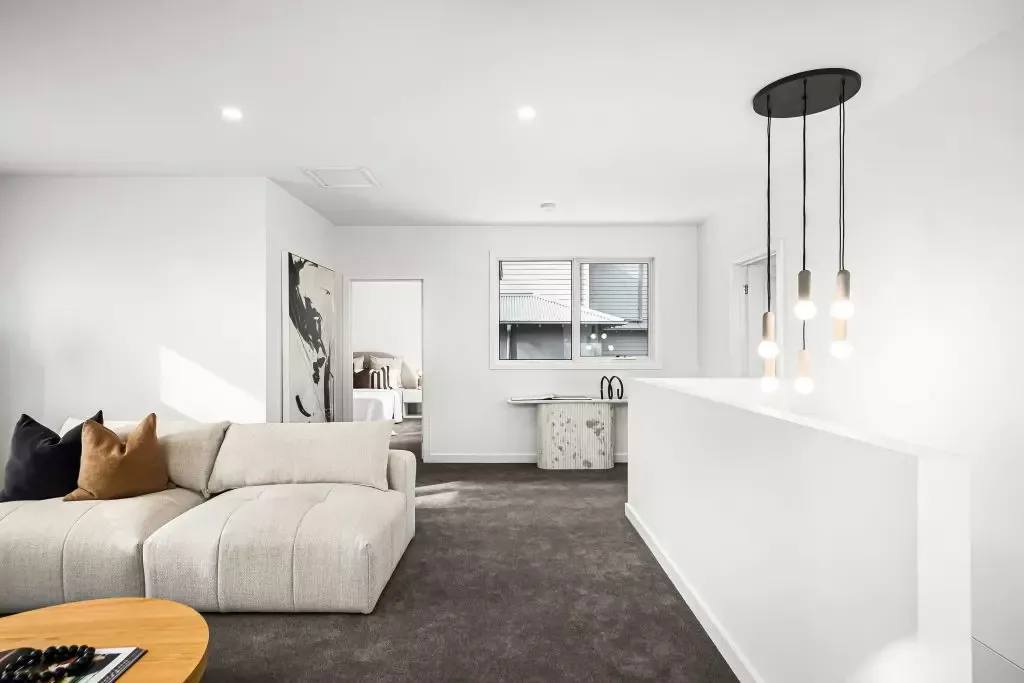
Luxury builds often feature premium materials and refined finishes that define the home’s aesthetic and longevity. Knowing these options helps you align choices with design intent and long‑term maintenance.
Which Sustainable and Smart Home Materials Are Trending?
A few sustainable and smart options stand out in high‑end homes:
- Recycled Glass Countertops: Durable and visually striking, made from reclaimed glass bound in resin for unique colour and texture.
- Bamboo Flooring: A renewable, hard‑wearing alternative to traditional hardwood with a clean, contemporary look.
- Smart Home Technology: Integrated systems for lighting, security and climate that improve convenience, comfort and energy efficiency.
These choices pair luxury with sustainability and modern performance.
How Do Commercial Construction Terms Differ from Residential Luxury Vocabulary?
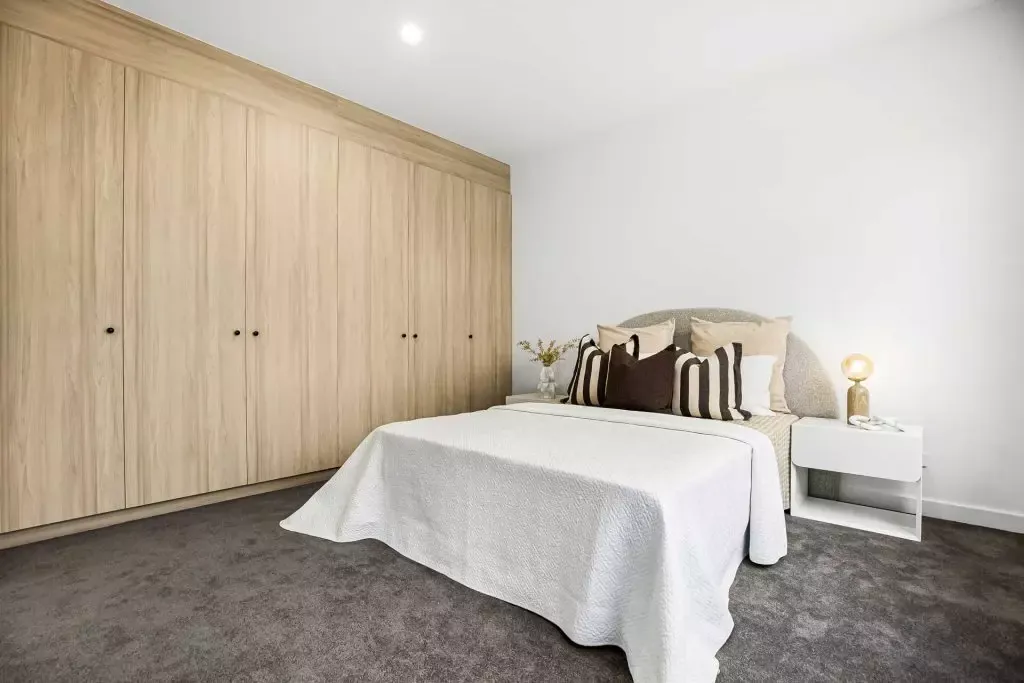
Although there’s overlap, commercial construction uses different terms and priorities, tenant needs, leasing arrangements and stricter code and accessibility requirements, that don’t always apply to private residences.
What Are Important Commercial Construction Terms Clients Should Know?
For commercial projects, you’ll often encounter terms such as leasehold improvements, tenant fit‑out and building code compliance. These focus on adapting spaces for business use and meeting regulatory and tenant obligations, which can differ substantially from residential practices.
Where Can You Find Australian Building Regulations and Standards Related to Luxury Construction?
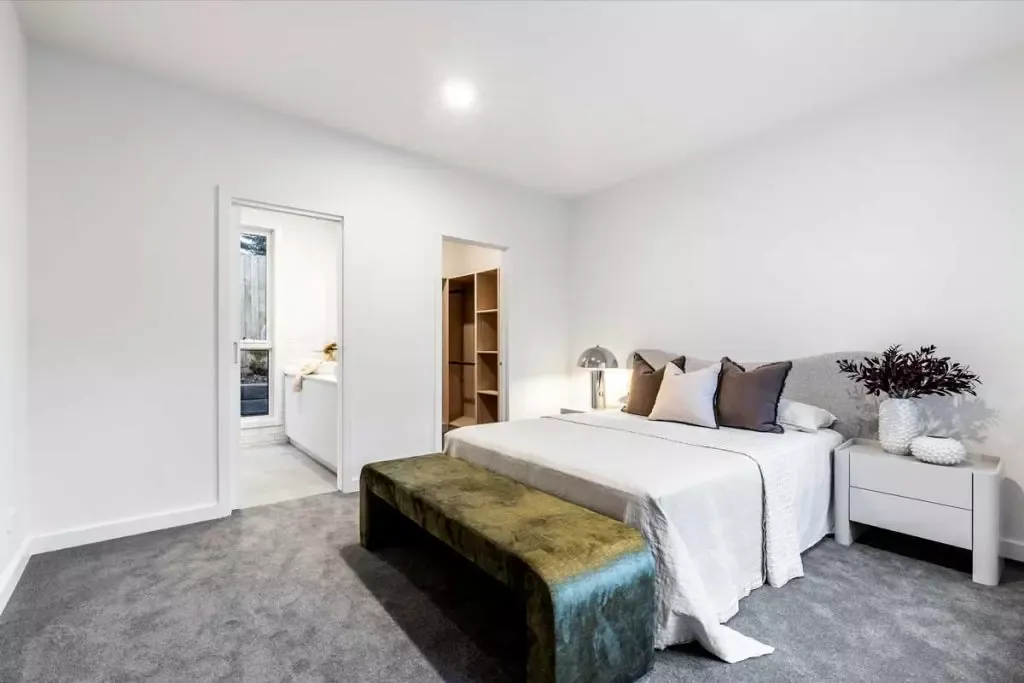
Knowing where to look for regulations and guidance ensures your project meets legal, safety and sustainability standards in Australia.
How Does the National Construction Code Impact High-End Home Building?
The National Construction Code (NCC) sets the baseline requirements for design and construction across Australia. It influences safety, health and sustainability standards for luxury homes, so compliance is essential, even when you’re specifying bespoke finishes or advanced systems.
What Industry Bodies Provide Guidance on Luxury Construction Practices?
Several respected organisations publish guidance, training and standards relevant to high‑end builds, including:
- Master Builders Australia: Practical resources and training for builders and clients to support best practice delivery.
- The Australian Institute of Architects: Design guidance and professional standards for architects working on luxury projects.
- Standards Australia: The body responsible for developing and maintaining technical standards across construction trades and materials.
These organisations help ensure quality, safety and professional accountability on luxury projects.
Conclusion
Learning the essential terminology of luxury home building gives you clearer conversations, better decisions and a smoother path from concept to handover. Terms like 'punch list' and 'change order' aren’t just jargon, they’re tools that shape timing, quality and cost. The more you understand, the more effectively you can work with your team to deliver the home you envisioned. Visit our resources for deeper guidance as you plan and build your dream property.
What Actually Drives the Cost of a High-End Home Build in Melbourne?
Building a high-end home in Melbourne is a major financial commitment, and a number of practical factors determine the final bill. Knowing what drives costs helps homeowners and builders plan smarter, from material choices and labour to design decisions, procurement, and compliance. In this piece, we outline the main cost drivers for luxury builds in Melbourne, explain how they interact, and look at current trends in sustainable materials alongside a few illustrative case notes.
Looking at the wider market context also helps explain demand patterns and the key challenges facing the luxury property sector.
What Are the Key Cost Factors in Luxury Home Construction in Melbourne?
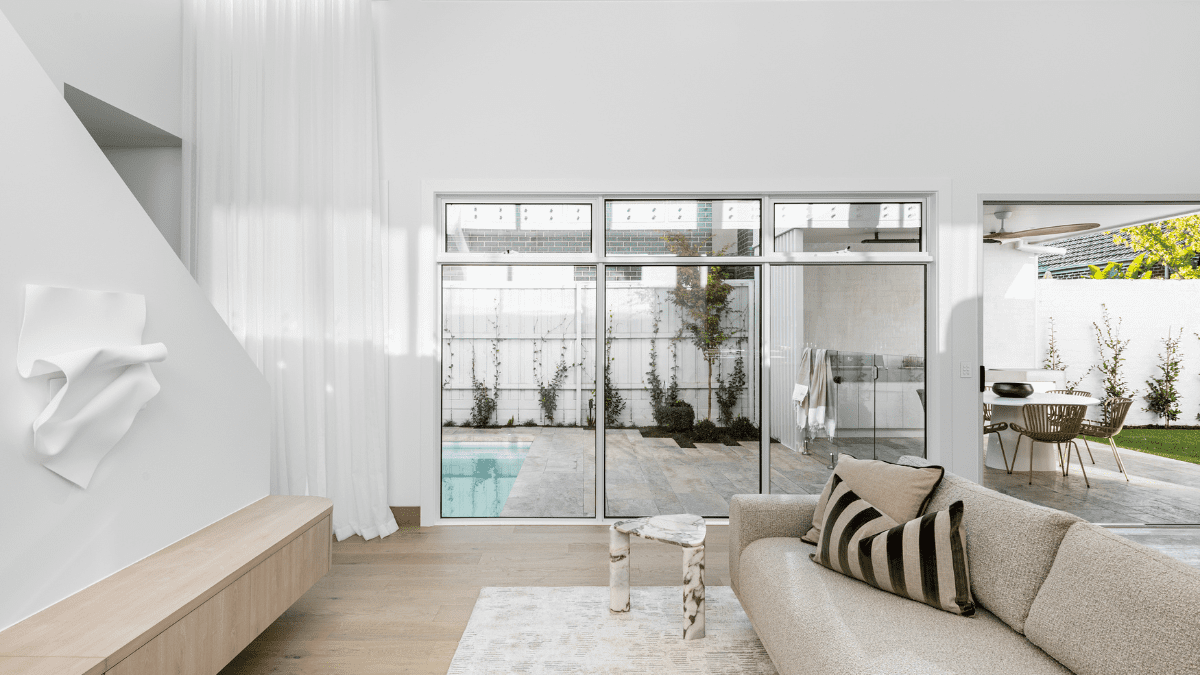
A handful of factors consistently influence the cost of a luxury home: the materials you choose, the wages for specialised trades, design and consultant fees, and how effectively the build is managed. Each area can materially change the total cost, so understanding them is essential for realistic budgeting and better decision‑making.
| Cost Factor | Description | Impact on Overall Cost |
| Premium Building Materials | High‑quality finishes for example, marble, engineered hardwood, and bespoke fixtures, add a significant premium. | High |
| Skilled Labour | Experienced tradespeople and specialist contractors command higher rates, which increases labour budgets. | Medium to High |
| Design and Architecture Fees | Bespoke designs and professional architectural services contribute noticeably to project costs. | Medium |
| Project Management | Strong coordination and planning reduce delays and the extra costs they create. | Medium |
This table shows how each major area contributes to the overall cost of a luxury home build.
How Do Premium Building Materials Influence Construction Costs?
Premium materials are one of the clearest cost drivers in luxury construction. Natural stone, bespoke timber joinery, and custom fittings elevate the look and feel of a home but carry a higher price than standard options. For example, choosing imported marble benchtops can add thousands of Australian dollars compared with laminate alternatives. That said, quality materials can also offer longer lifespans and lower maintenance, which may balance the initial outlay over time.
What Role Does Skilled Labour Play in High-End Home Building Prices?
The role of skilled labour in premium builds is significant. Skilled carpenters, electricians, and plumbers ensure finishes meet exacting standards, and that expertise comes at a premium. Labour costs vary with task complexity and the level of craftsmanship required. Investing in experienced trades can reduce the risk of rework and expensive defects later on.
How Do Design and Architecture Fees Affect Custom Home Building Prices in Melbourne?
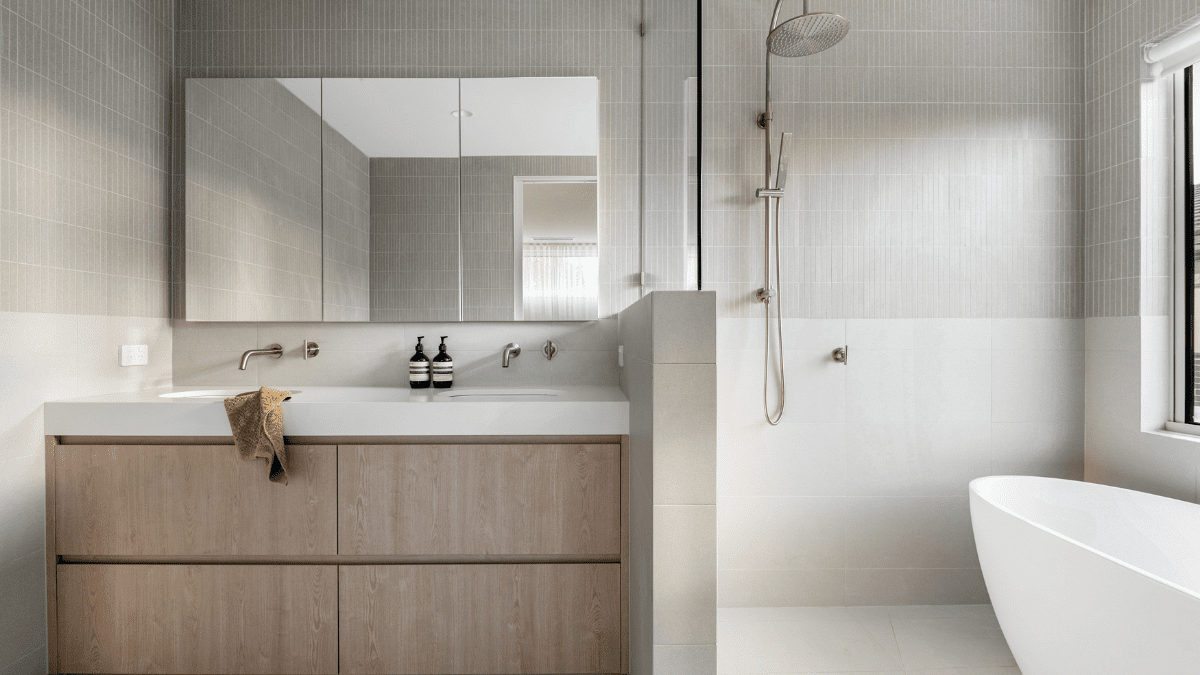
Design and architectural fees make up an important portion of the budget for custom luxury homes. Working with a qualified architect delivers a tailored design and helps navigate approvals, but those services represent a real cost that should be factored into the overall programme.
Why Are Architect Fees Critical in Luxury Residential Construction?
Architect fees are commonly calculated as a percentage of the construction cost or as a fixed sum, depending on project scope. These fees cover concept and detailed design, documentation, permit support, and coordination with engineers and other consultants. A good architect can improve building efficiency and ensure the finished home reflects the owner’s brief.
How Does Custom Design Impact Overall Project Budgets?
Bespoke design elements tend to push budgets higher because they frequently require unique materials and specialist trades. Owners should expect higher costs for custom cabinetry, unusual structural features, or one‑off finishes. Proper planning and clear scope control help avoid budget surprises when choosing bespoke solutions.
What Is the Impact of Project Management and Build Timelines on Construction Costs?
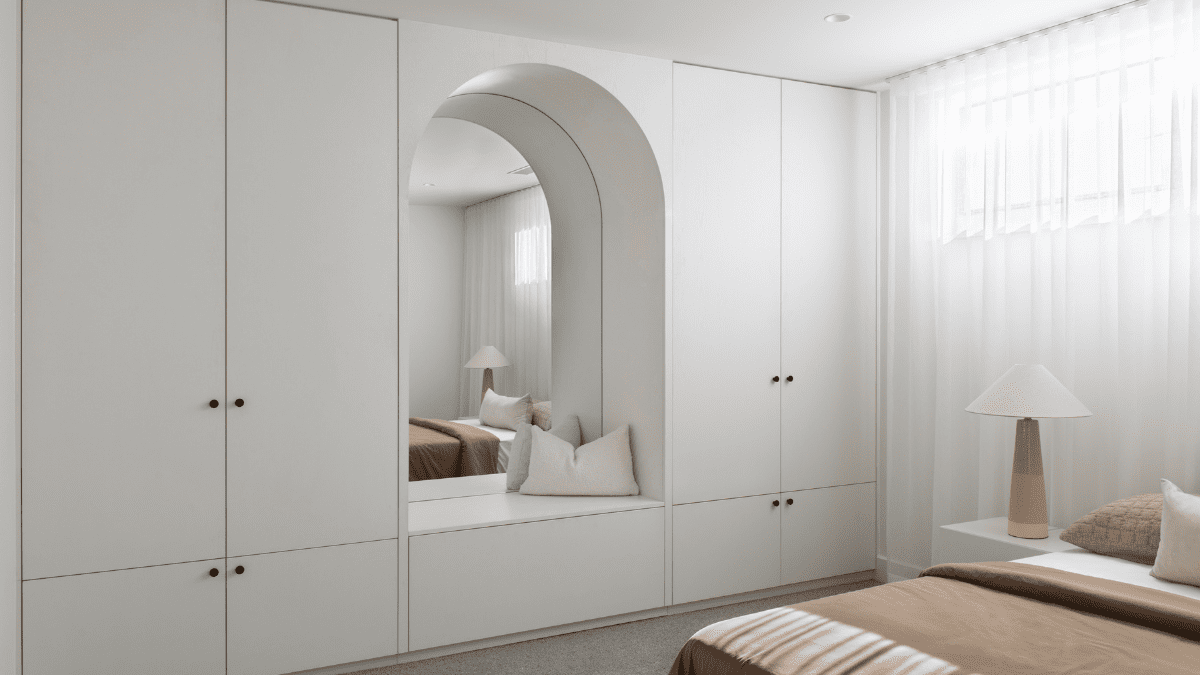
Effective project management is a key lever for keeping a luxury build on budget and on time. Delays quickly translate into added costs, so a structured schedule and proactive site coordination are essential.
How Does Efficient Project Management Reduce High-End Build Expenses?
Tight project management streamlines the build: it coordinates subcontractors, ensures timely deliveries and minimises idle time on site. That proactive approach reduces the risk of schedule overruns and the extra costs that follow, while also protecting finish quality.
What Are Typical Timeline Considerations for Luxury Home Builds in Melbourne?
Timelines for high‑end homes in Melbourne vary with complexity and scale. Typically, expect a build to take roughly 9 to 18 months. Allowances should be made for weather delays, permit processing, and supply chain issues all common causes of timeline shifts and additional expense.
How Do Permits and Regulatory Requirements Influence High-Quality Residential Construction Costs?
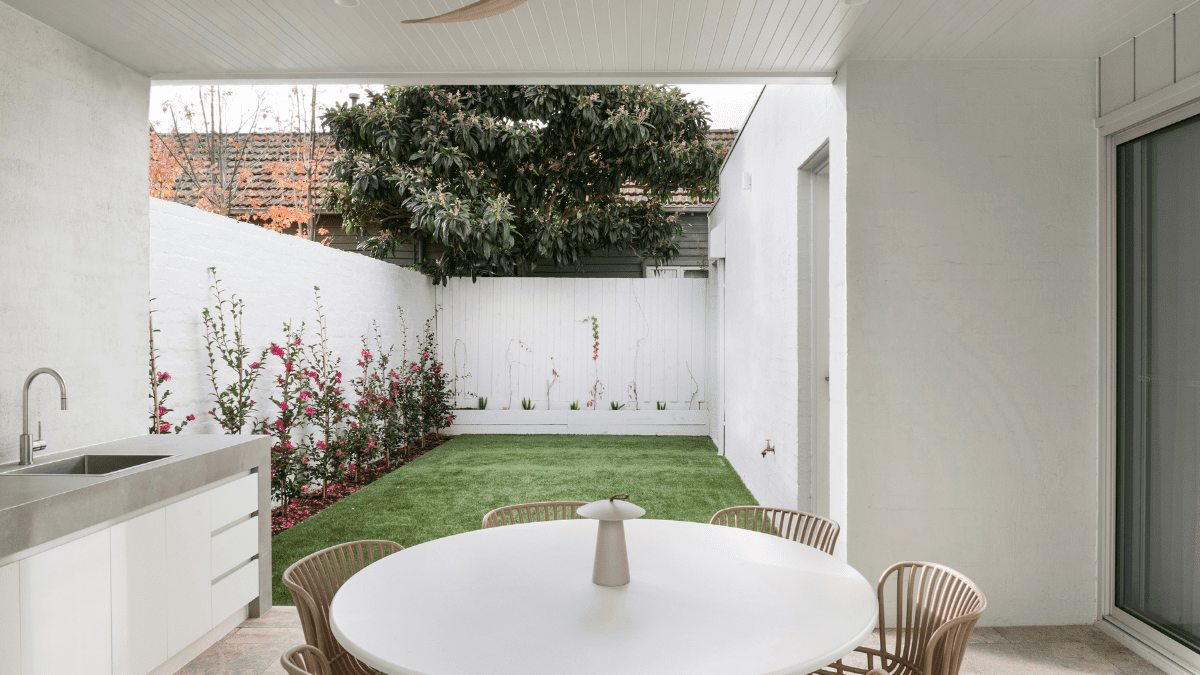
Permits and regulatory compliance add both time and cost to luxury projects. Knowing the approvals you need and budgeting for them early helps avoid last‑minute changes and unexpected fees.
What Building Permits Are Required for Luxury Homes in Melbourne?
Building permits ensure work meets local regulations and safety standards. In Melbourne, typical permits cover site works, structural modifications, and electrical installations. Permit costs and timelines vary, so include them in project estimates from the outset.
How Do Recent Regulatory Changes Affect Construction Budgets?
New or changing regulations, for example, environmental or energy requirements, can require additional assessments or design changes, which can increase costs. Staying up to date with regulatory developments reduces the chance of surprises during construction.
What Are the Trends in Sustainable and Premium Materials for Luxury Home Builds?
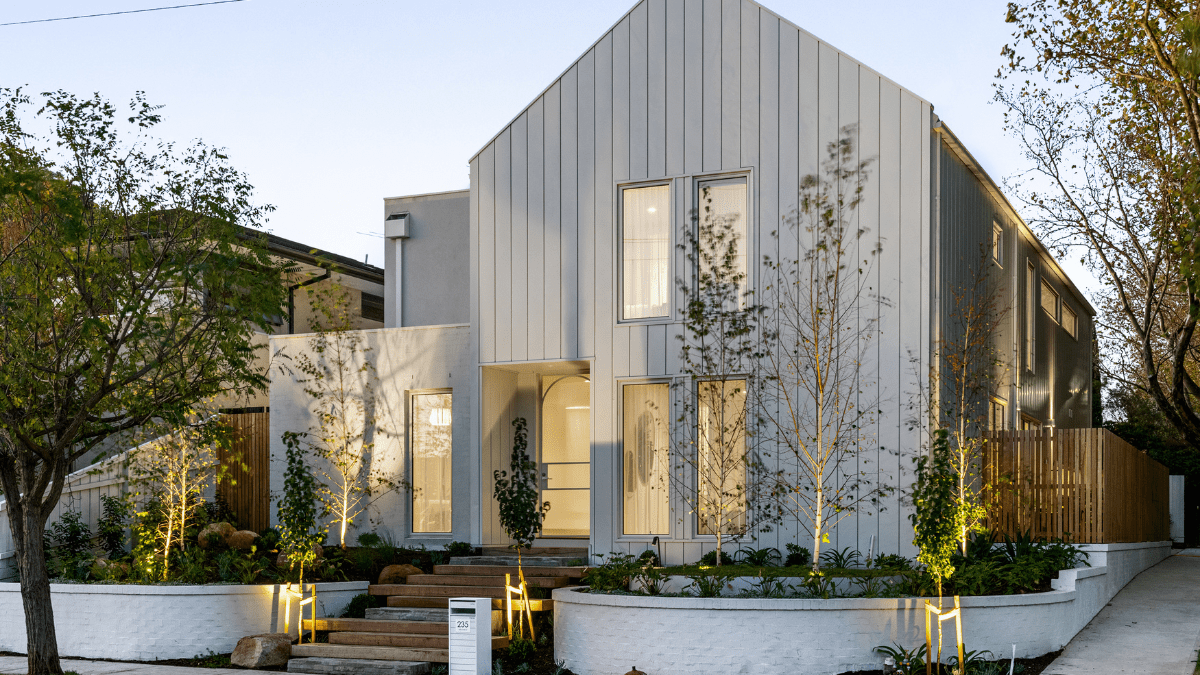
Sustainability is increasingly influencing choices in luxury residential construction. Owners are looking to combine premium aesthetics with better environmental performance.
How Do Sustainable Materials Affect Cost and Quality?
Materials like reclaimed timber, bamboo, and recycled metals can deliver strong aesthetic and environmental benefits. They may carry a higher upfront cost but can produce savings long term through improved energy efficiency and lower maintenance. Sustainable choices can also increase market appeal for eco‑minded buyers.
Recent research highlights how careful value engineering can reconcile cost control with environmental responsibility in luxury housing projects.
What Premium Material Choices Are Popular Among Melbourne Builders?
Melbourne builders increasingly select premium materials that also support sustainability. Common choices include high‑performance glazing for energy efficiency, natural stone for durability, and low‑VOC paints to improve indoor air quality. These selections elevate design while contributing to a more responsible build approach.
Can Case Studies of Recent Melbourne Luxury Builds Illustrate Cost Drivers?
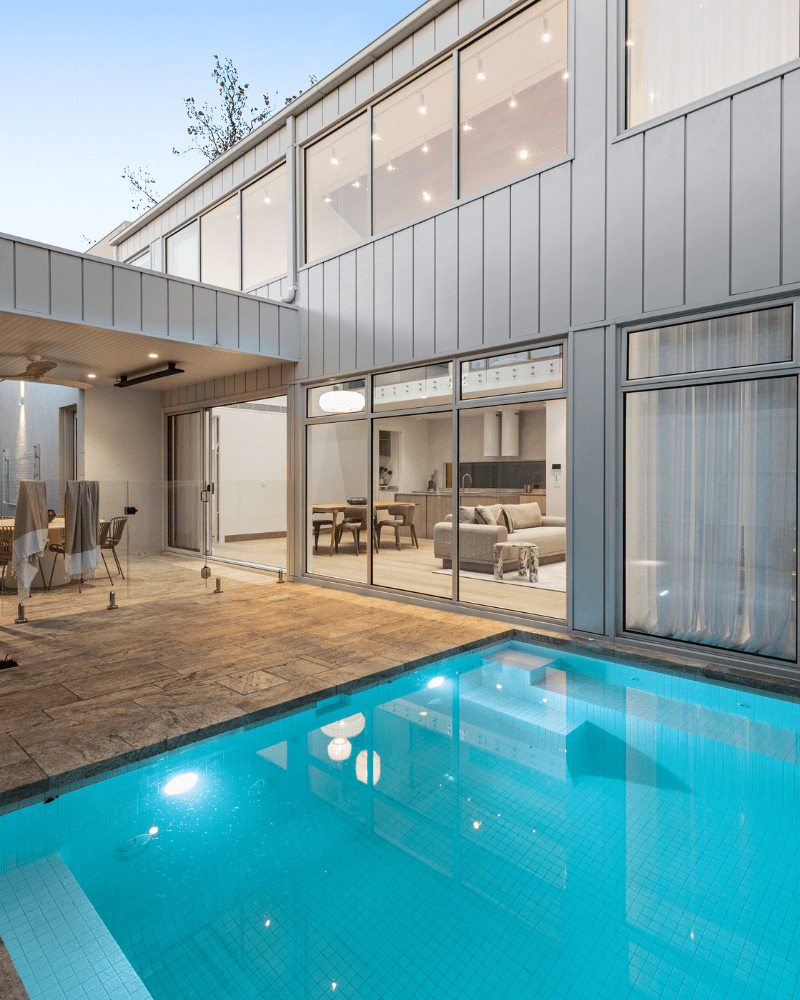
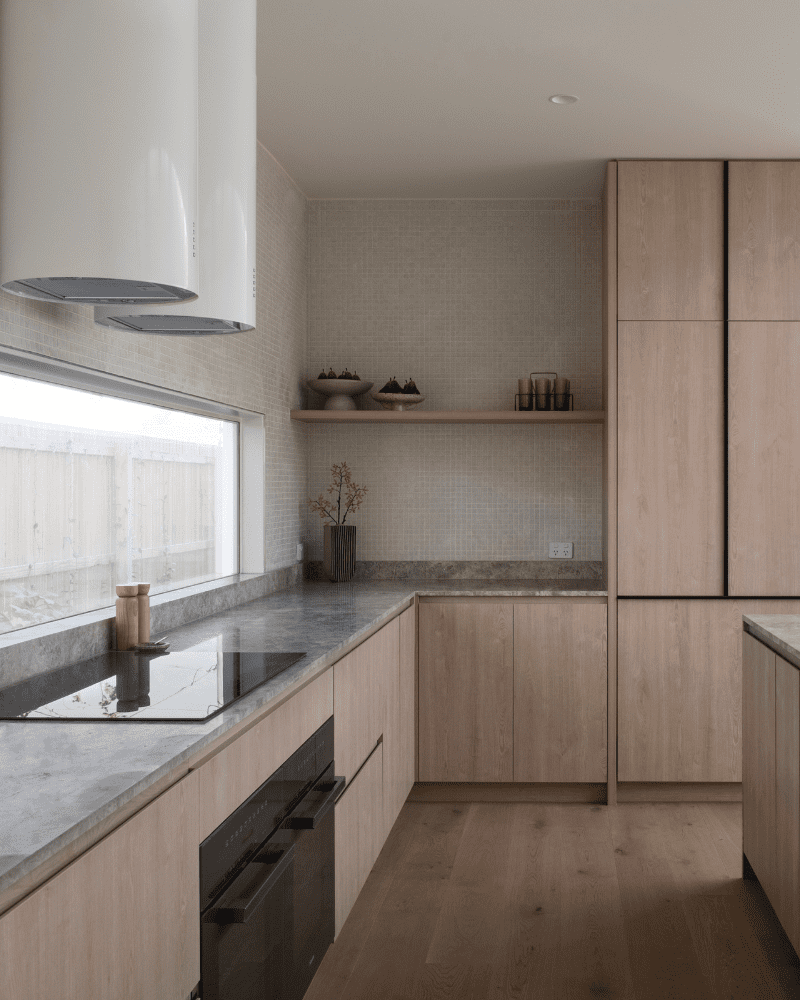
Reviewing recent luxury projects in Melbourne helps put cost drivers into context. Case studies show how decisions across materials, labour, and management affect outcomes and budgets.
What Do Recent Project Successes Reveal About Cost Breakdown?
Recent projects demonstrate that disciplined planning and execution can produce strong budget outcomes. For example, a Melbourne luxury build that paired sustainable materials with tight project controls finished about 10% under budget, a reminder that strategic choices and good management pay off.
How Do Client Testimonials Reflect Value and Quality in High-End Builds?
Client feedback often highlights the perceived value of well‑executed luxury builds: the right materials, skilled trades, and attentive project management are repeatedly cited as the difference between a good outcome and a great one. Positive testimonials underscore how a thoughtfully managed build can deliver lasting satisfaction and strong resale appeal.
Beyond client stories, academic work also explores ways to quantify the premium value associated with high‑end housing.
Conclusion
Knowing the main cost drivers for luxury home building in Melbourne helps you make clearer choices and control your budget without sacrificing quality. By weighing premium materials, specialist labour, thoughtful design, and disciplined project management, and by considering sustainable alternatives, you can deliver a high‑quality home that meets your expectations. When you’re ready to proceed, consult experienced industry professionals who can help turn your brief into a realistic, well‑managed build.
Why Dual Occupancy Is Booming in Melbourne: Luxury Dual Complex Homes & Rising Demand
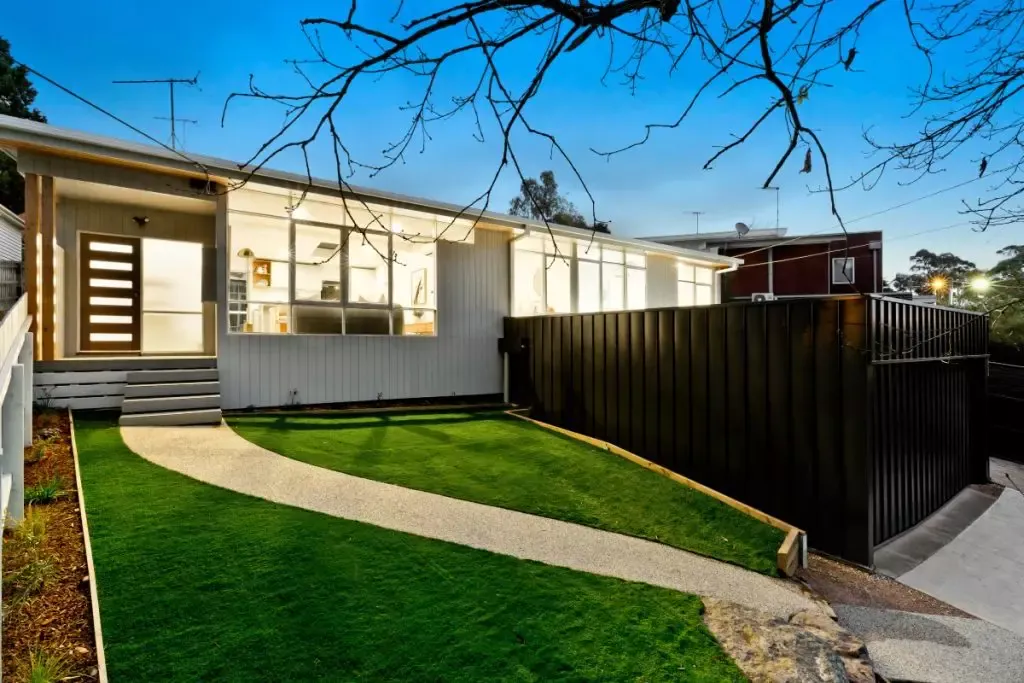
Dual occupancy homes are quickly reshaping Melbourne’s residential market. These smart, well‑designed properties answer the needs of growing families, downsizers, and investors by combining luxury finishes with practical living solutions.
In this guide, we unpack why demand is climbing, the benefits these homes deliver, the design directions shaping builds, and the costs and approvals you’ll need to consider in Melbourne. By the end, you’ll have a clear picture of why dual complex homes are an increasingly popular choice.
What are dual complex homes, and what’s driving their popularity?
Often called dual occupancy homes, these properties contain two distinct living units on one lot or within one structure. They balance shared infrastructure with genuine privacy for each household. Melbourne’s move towards higher-density living, changing family setups, and the strong rental market are all pushing more owners and developers to consider dual-occupancy options.
How we define dual complex homes and dual living designs
Dual complex homes are defined by layouts that support two separate households while keeping practical connections between them. Typical features include separate entrances, independent kitchens and living areas. Configurations vary from side‑by‑side residences to stacked units, so designs can suit different block sizes and lifestyle needs.
Key factors behind the rising demand in Melbourne
Several trends are lifting demand for dual occupancy in Melbourne: constrained land supply in established suburbs, a rise in multi‑generational households, and investor interest in properties that generate two rental incomes. Together, these forces make dual occupancy an efficient way to maximise land use and financial return.
What are the benefits for homeowners and investors?
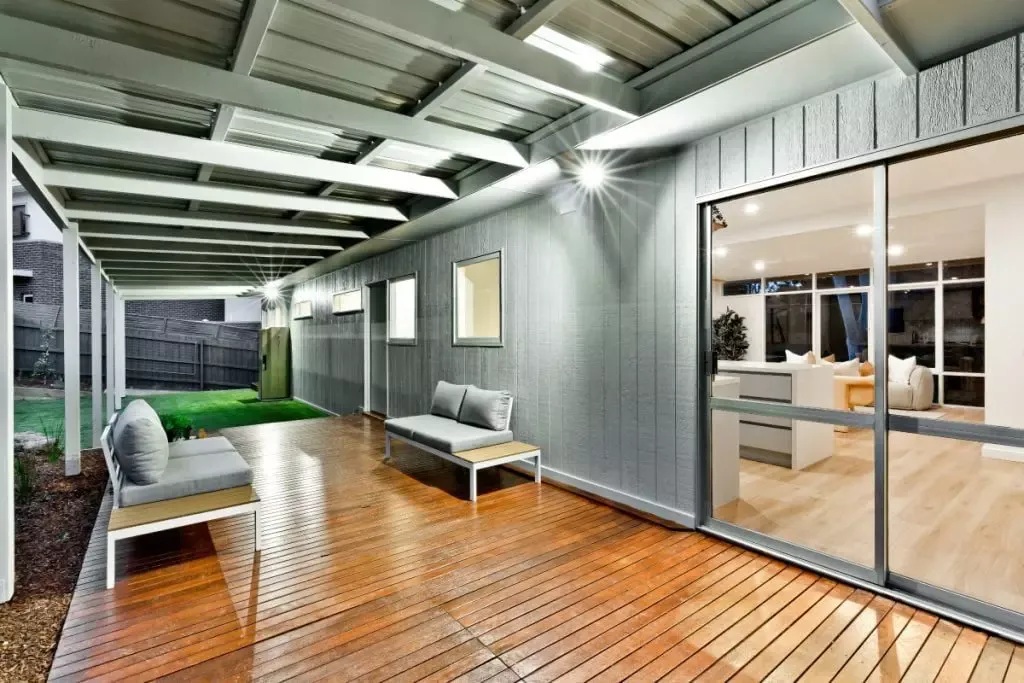
Dual complex homes deliver practical and financial advantages that appeal to both owner‑occupiers and investors.
- Financial advantages: Dual occupancy can increase rental yield and reduce per‑household living costs by sharing infrastructure and running expenses.
- Lifestyle flexibility: Configurable living spaces adapt to changing family needs. Whether that’s ageing parents, adult children returning home, or separate work/studio spaces.
- Investment potential: Strong local rental demand plus dual income opportunities make these properties attractive long‑term investments.
Striking Constructions Pty Ltd is a Melbourne‑based luxury builder that specialises in bespoke dual occupancy projects. Our approach to construction management ensures each home meets exacting standards of design, finish, and durability.
Financial returns and the investment case for multi‑dwelling developments
Dual occupancy projects can deliver meaningful returns. The ability to earn two rental incomes helps service loans and improves cash flow, while capital growth in established suburbs enhances long‑term wealth. For many owners, a dual complex is a practical route to offset mortgage costs and build equity.
Design and lifestyle flexibility in luxury dual occupancy homes
Luxury dual-occupancy homes are highly customisable. Open plan living, private terraces, and high‑quality finishes let owners create distinct, self‑contained homes that still read as part of a cohesive whole. Careful planning ensures every space reflects how the occupants live.
How do design trends shape luxury dual occupancy construction?
Design trends and refined construction management are driving better‑looking, more liveable dual occupancy homes. Contemporary approaches focus on light, flow, and considered material palettes to create quality homes for two households.
Contemporary dual living designs and tailored construction management
Modern dual living designs prioritise functionality, daylight, and clean lines. Bespoke construction management lets us align build methodology with the client’s brief, resulting in distinctive homes that perform well and age gracefully.
Pools, landscaping, and outdoor spaces in dual complex projects
Outdoor amenities are increasingly important. Thoughtful landscape design and pool areas lift lifestyle appeal and property value. Creating private, tranquil outdoor rooms that complement sophisticated interiors.
What are the typical costs and approval requirements in Melbourne?
Knowing likely costs and planning obligations early helps ensure a smoother dual occupancy project.
- Construction costs: Build costs vary with site constraints, design complexity and materials. Factor both construction and ongoing maintenance into your budget.
- Regulatory requirements: Melbourne planning permits, zoning rules and building codes must be addressed, early engagement with council and consultants reduces delays and surprises.
Estimating construction costs and budgeting tips
When scoping a dual occupancy project, include land purchase, site works, construction and ongoing running costs. Consider financing options and seek professional advice to build a realistic budget and timeline from the outset.
Navigating Melbourne’s planning permits and compliance
Securing the right approvals is a pivotal step. Familiarise yourself with local planning controls, consult with planning professionals and work with a builder experienced in dual occupancy projects to streamline approvals and ensure compliance.
Which case studies demonstrate successful luxury dual complex projects?
Reviewing recent projects helps illustrate what’s possible with considered design and quality construction.
- Recent high‑end dual complex projects by Striking Constructions: Our completed dual occupancy homes showcase thoughtful layouts, premium finishes and attention to detail that set them apart in the market.
- Client feedback and investment outcomes in Melbourne: Client testimonials highlight strong rental returns and increased asset values, evidence that well‑executed dual occupancy projects can deliver both lifestyle and financial benefits.
How to start your luxury dual complex home project with expert support
Launching a dual occupancy project is easier with experienced advisors and a structured process.
- Consultation and bespoke project management from Striking Constructions: Working with a reputable builder provides clarity at every stage. Our bespoke project management covers design coordination, approvals and on‑site delivery.
- Next steps: enquiry process and building your dual complex home: Begin with a conversation, share your site details and goals, and we’ll outline practical options and a clear pathway to build.
Consultation and bespoke project management by Striking Constructions
Our tailored project management supports clients from initial concept through to handover. We focus on timelines, budgets and quality control to deliver projects on schedule and to specification.
Next steps: enquiry process and building your dual complex home
To get started, contact Striking Constructions for a consultation. We’ll help you navigate planning, refine design options and manage the build so your dual occupancy project becomes a successful, long‑term asset.
| Feature | Description | Benefit |
| Dual Living Design | Two self‑contained living units | Privacy with shared efficiencies |
| Customisable Layouts | Designs tailored to your needs | Flexibility for changing households |
| Investment Potential | Dual rental income streams | Improved cash flow and value |
The table summarises the core features and advantages of dual complex homes, useful when weighing options for owners and investors.
| Cost Component | Estimated Cost | Notes |
| Land Acquisition | Varies by location | Research local market prices |
| Construction | $300,000 - $600,000 | Depends on design and materials |
| Permits and Fees | $5,000 - $15,000 | Varies by local regulations |
Understanding these cost components helps you prepare a realistic budget and avoid unexpected expenses during the build.
Dual complex homes mark a practical evolution in residential design, blending thoughtful luxury with flexible living and strong investment potential. As demand grows, staying informed on design trends, costs and planning requirements will help homeowners and investors make confident decisions.
Conclusion
Dual complex homes combine refined living, practical flexibility and attractive financial upside, making them a compelling option for homeowners and investors alike. Understanding the market drivers, design choices and approval process will position you to make the right decisions for your project. If you’re considering a dual occupancy build, get in touch with our team for tailored advice and a clear pathway from concept to completion. Explore what luxury dual complex living can deliver and take the first step with expert support.
Building the Future: Sustainable Home Trends Every Australian Homeowner Should Know
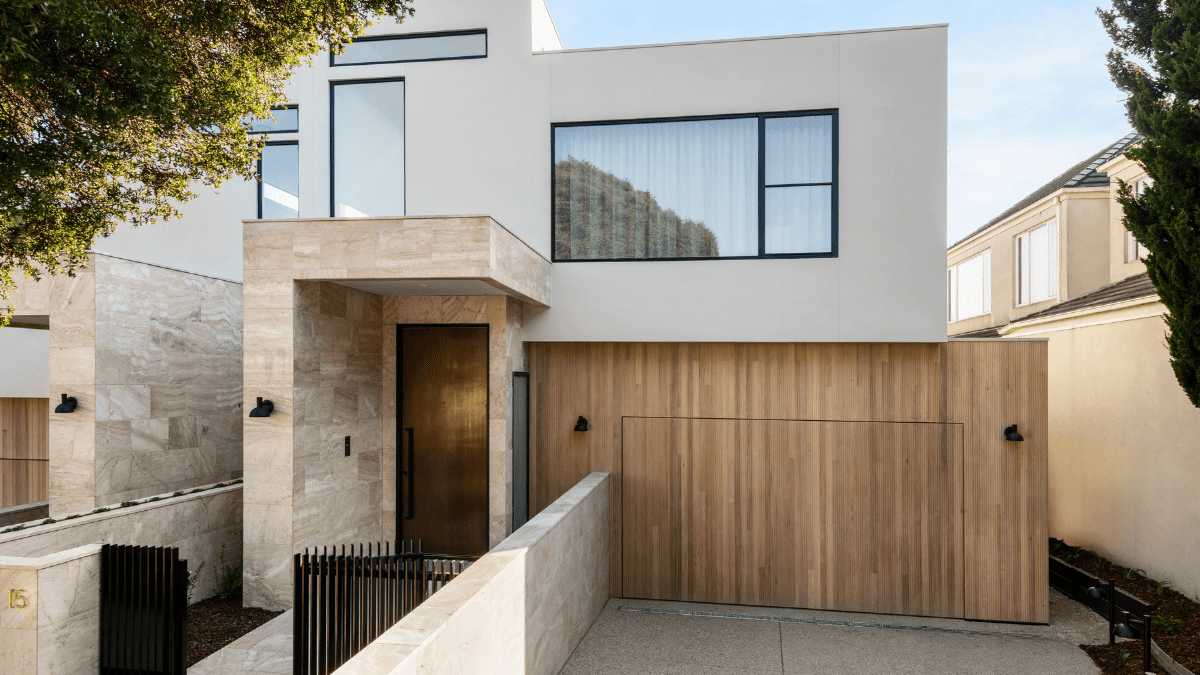
Embarking on a sustainable residential home build in Australia is an exciting journey, offering immense opportunities to integrate eco-friendly design and smart, resource-efficient living solutions. For Australian homeowners, understanding and embracing these sustainable home trends is not just about being modern; it's about creating a healthier, more cost-effective, and future-proof living space.
This guide explores the key sustainable trends shaping Australian homes, what to consider when planning your own trending residential build, and how to prepare for discussions with builders specialising in eco-conscious construction. Being well-informed ensures you maximise the long-term value and environmental benefits of your new home.
Why Embracing Sustainable Trends is Crucial for Your Australian Home Build
The decision to build a sustainable home is where a successful, eco-conscious project truly begins. It’s the prime opportunity for homeowners and builders to align on a green vision, clarify expectations for innovative sustainable features, and establish trust. This meeting delves beyond basic sketches and materials, focusing on setting priorities for energy efficiency, water conservation, sustainable materials, and contemporary aesthetics. A thoughtful consultation lays the foundation for a smooth, well-managed build, from concept through to the completion of your environmentally responsible home.
How Sustainable Trends Shape Your Residential Home Build Project
At the initial meeting, builders will explore your goals for a sustainable home, your preferences for eco-friendly design, and any site-specific considerations that might influence innovative solutions. This conversation helps define the project scope, identify opportunities for smart energy and water integration, and flag potential challenges early for proactive management.
By sharing your ideas and priorities for a future-proof home, the builder can propose practical, sustainable solutions and outline a realistic path forward. Strong projects, especially those embracing new green trends, start with clear, open communication at this stage.
Why a Client-Focused Approach Delivers Better Sustainable Homes
A client-focused approach ensures your sustainable home build remains centred on your modern lifestyle, evolving preferences, and functional needs. It enables builders to gather essential details from your daily routines and design inspirations to must-have smart energy features and sustainable conveniences, to deliver a truly tailored, contemporary outcome.
When builders prioritise the client’s perspective, the result is a home that feels personal, practical, and thoughtfully aligned with current and future sustainable trends. Many satisfied clients highlight this collaborative approach as key to a successful, innovative build.
This client-first approach is supported by research that highlights the value of co-creating solutions and adapting to changing client needs during a construction project.
Key Questions Leading Builders Will Ask About Sustainable Home Trends
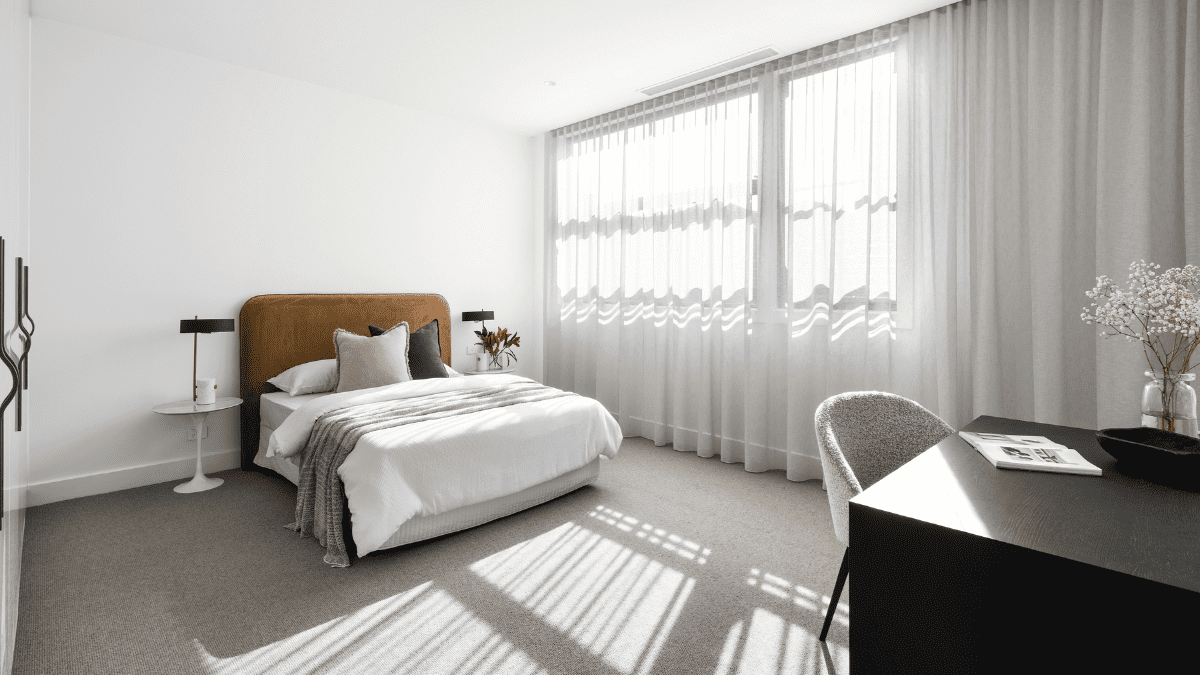
In your first consultation, expect builders to ask targeted questions designed to understand your vision for a sustainable home, your priorities for eco-innovation, and any practical constraints. These questions help frame the project to ensure everyone is working towards the same environmentally conscious outcome.
| Question | Why we ask | What this achieves |
| What are your aspirations for a sustainable home build? | To capture your vision for eco-friendly design, energy efficiency, and resource management | A clear, environmentally conscious design direction |
| What is your budget for the project, including sustainable features? | To set realistic financial boundaries for an eco-conscious build, considering long-term savings | An achievable, value-optimised project scope with sustainable investments |
| What is your desired timeline for completion, considering sustainable methods? | To align on scheduling and milestones for an efficient, green build | Efficient, realistic planning for a sustainable project |
How Builders Explore Your Vision for a Sustainable Lifestyle
Builders will discuss preferred contemporary architectural styles that integrate passive design principles, innovative layout priorities for natural light and ventilation, and lifestyle requirements such as integrated smart home systems for energy management, seamless indoor‑outdoor flow with native landscaping, or specialised wellness spaces with healthy materials.
These details reveal how your tastes and routine translate into practical, sustainable design choices, for example, whether you favour minimalist open‑plan living with high thermal mass, sustainable finishes, or bespoke smart joinery for waste reduction, so the builder can propose solutions that perfectly match your eco-conscious modern lifestyle.
Budgeting and Timelines for Your Sustainable Home Build
Budget and timing are central to every consultation, especially for a sustainable home build. Builders will inquire about your funding expectations, any flexible or fixed items in the budget (including investments in solar technology, battery storage, or sustainable materials), and ideal move‑in dates.
This information allows them to recommend an appropriate scope, highlight where value can be optimised for long-term savings and environmental benefit, and set a realistic schedule. Establishing these parameters early reduces surprises and keeps your innovative project on track.
Preparing for Your Sustainable Home Build Consultation
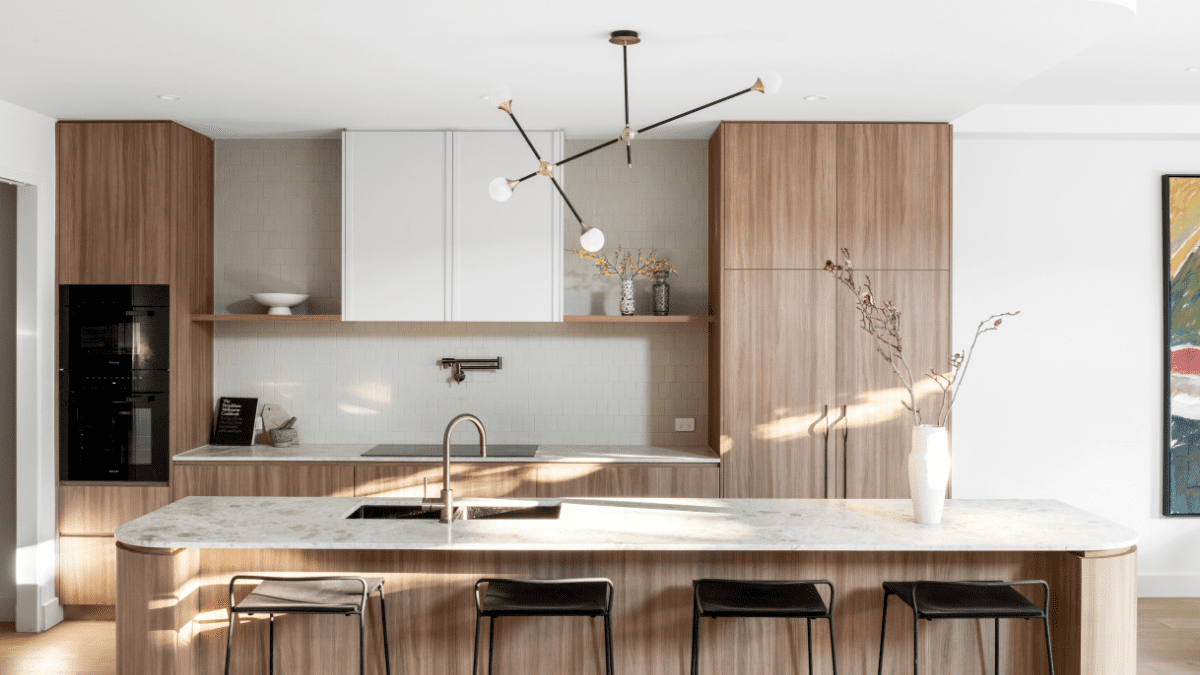
Good preparation makes a consultation for a sustainable home build far more productive. Bringing the right information helps the builder provide accurate feedback and saves time in subsequent meetings, accelerating your journey to a green home.
H3: Documents and Details to Bring for Your Sustainable Home Build Consultation
When you meet your builder, bring whatever you have that clarifies your vision for a sustainable home. Useful items include:
- Project brief: A written summary of your vision for a green home, priorities for energy efficiency, water conservation, and functional needs.
- Site information: Any surveys, title details, or existing plans for the property, noting solar orientation and prevailing winds.
- Budget expectations: A clear outline of your financial parameters, including contingencies for advanced sustainable features.
- Inspiration for sustainable designs: Examples of green homes, passive design principles, smart energy solutions, or sustainable materials you admire.
These documents enable the builder to assess feasibility and tailor their initial advice to your specific situation and sustainable aspirations.
Communicating Your Vision for Sustainable Design and Innovation
Visual references make discussions about sustainable designs more effective. Consider mood boards, photos, sketches, or links to innovative green projects you like. Be ready to identify your non‑negotiables for smart energy features or sustainable elements, and where you’re willing to compromise. Clear priorities help the builder translate your inspirations into practical design and cost decisions for your cutting-edge, eco-friendly home.
The Sustainable Home Build Process in Australia: What to Expect
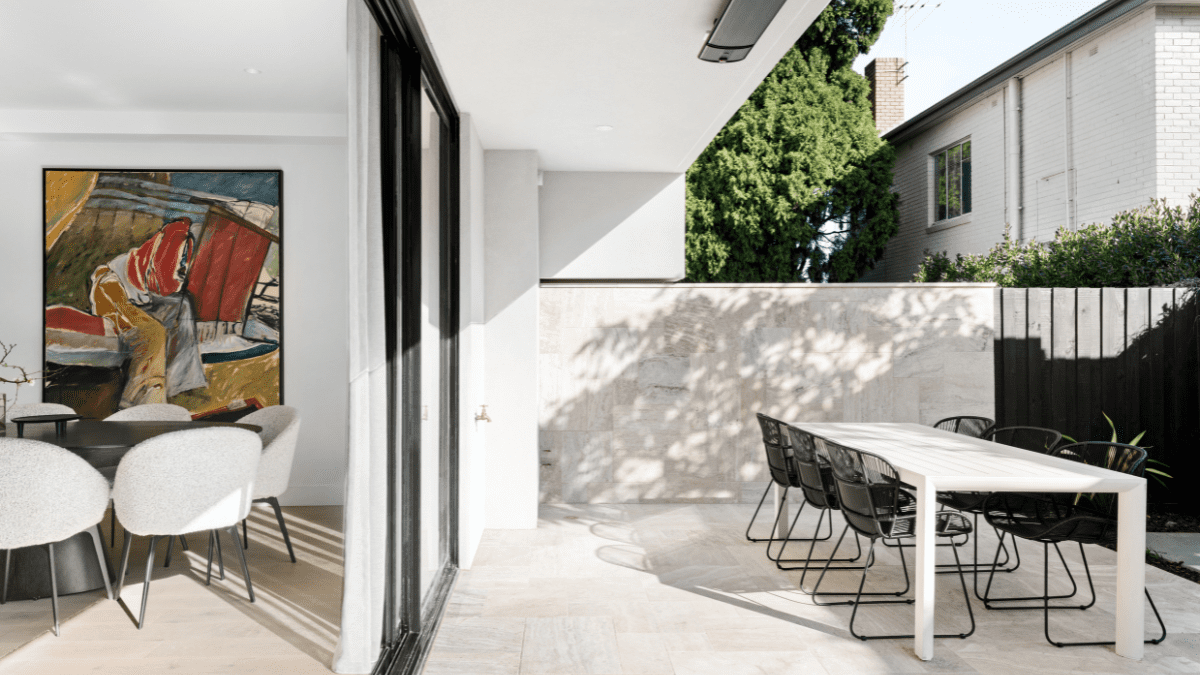
During the consultation, the builder will usually outline the standard stages of a sustainable home build, ensuring you know what to expect from initial planning through to the handover of your innovative, green residence.
Key Stages of Your Sustainable Home Build
The process typically follows these stages, with an emphasis on integrating modern sustainable elements:
- Initial design phase: Developing concept designs that incorporate passive solar principles, energy modelling, sustainable material selection, and securing necessary approvals, including planning and building permits.
- Construction phase: Site preparation with erosion control, foundation works, structural framing, and all finishings, with careful integration of smart home systems for resource management and sustainable materials through to completion.
- Final inspection and handover: Verifying quality, ensuring regulatory compliance and energy performance targets are met, and providing a comprehensive walkthrough of your finished, sustainable home, including smart system tutorials and maintenance guides for green features.
These stages provide a roadmap so you understand the major milestones and deliverables at each point in your innovative project.
Collaboration for a Sustainable Home Build: Architects, Designers, and Builders
Collaboration between builder, architect, and designer is central to delivering your vision for a sustainable luxury home. Builders will explain how they coordinate with these professionals to resolve technical details for smart energy systems, value‑engineer where appropriate for sustainable solutions, and protect the overall design intent.
Ongoing communication between all parties ensures design challenges are dealt with quickly and your innovative home is built to the agreed-upon, high standard.
Next Steps After Your Sustainable Home Build Consultation
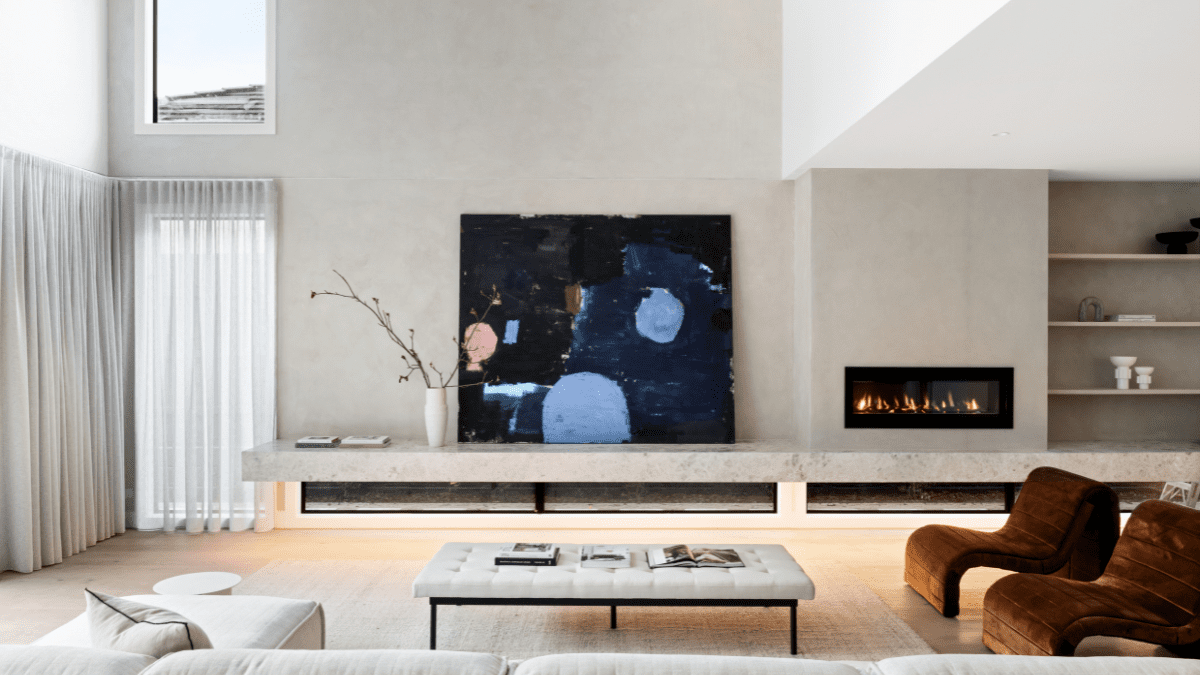
After the first meeting, there are clear next steps to move from conversation to commitment. Knowing what comes next helps you plan and keeps momentum going for your sustainable home build.
Developing a Proposal for Your Sustainable Home Build
Following the consultation, the builder will prepare a detailed proposal or tender that reflects your brief for a sustainable home. This document usually includes concept plans or sketches incorporating green features, preliminary cost estimates for sustainable technologies, and a timeline. The proposal forms the basis for formal agreements and further design development, ensuring your innovative vision is captured.
Moving Towards the Initiation of Your Sustainable Home Build
As you approach project initiation, you’ll finalise contracts, confirm budgets (including those for smart technologies and sustainable materials), and lock in key milestones. The builder will coordinate with architects, engineers, and subcontractors, ensuring all aspects of your sustainable home build are ready for a smooth start. Clear communication and decision‑making at this stage help ensure a seamless transition from planning to the construction of your cutting-edge, eco-friendly residence.
Conclusion
Your first consultation with a leading builder for a sustainable residential home build in Australia sets the tone for the entire project. It clarifies expectations for eco-innovation, builds a collaborative relationship focused on green solutions, and identifies the practical steps required to deliver your future-forward vision.
By preparing thoughtfully and communicating your priorities for a contemporary, sustainable home, you give the project the best chance of a successful outcome. When you’re ready to embrace the future of home design and contribute to a greener Australia, reach out to our experienced builders to take the next step in your sustainable home journey.