Transparency is a defining element of the luxury homebuilding experience. It means clear, consistent communication, visible reporting, and a visible commitment to quality, practices that build trust between a builder and their client. Drawing on a week spent on-site with a high-end custom home builder, this article breaks down the project phases, quality controls, and digital tools that keep clients informed. The goal: provide clients with practical insights so they can navigate the build with confidence and achieve better outcomes.

The construction sector frequently struggles with gaps in client communication and project coordination. When handled well, transparency addresses those gaps by providing clients with timely, relevant information on schedules, costs, and decisions, so they feel confident in their investment. Below, we explore how transparent practices improve luxury home builds and how builders keep clients looped in from start to finish.

How Does Transparency Enhance the Luxury Home Construction Process?

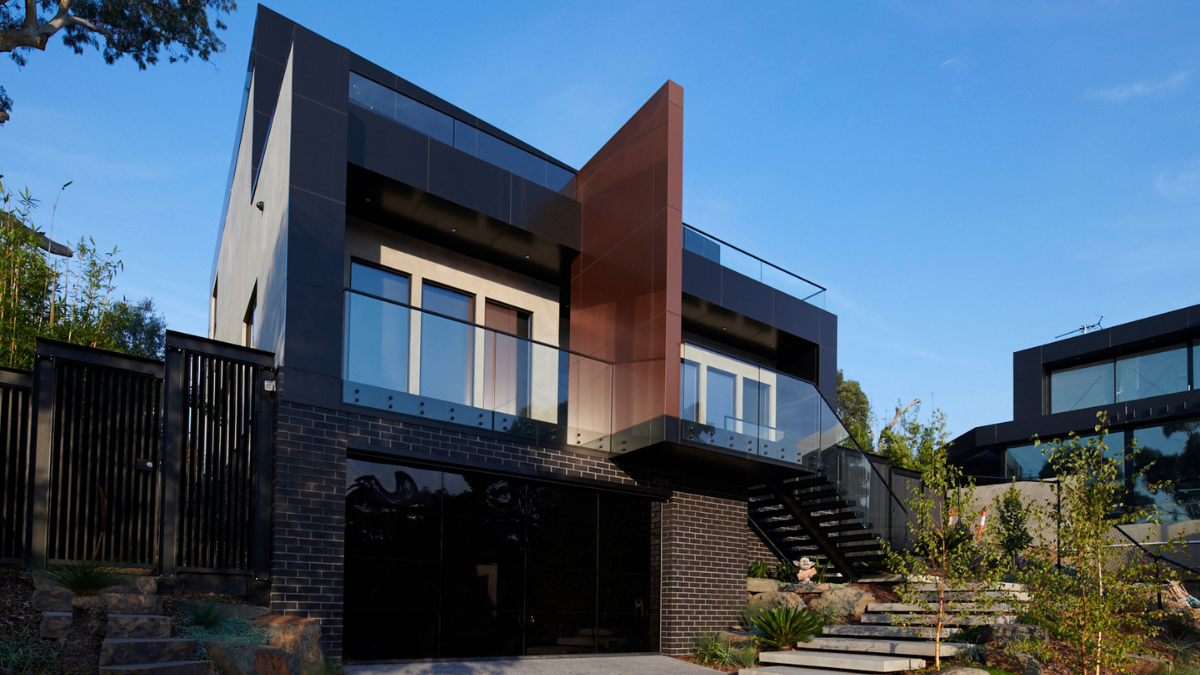
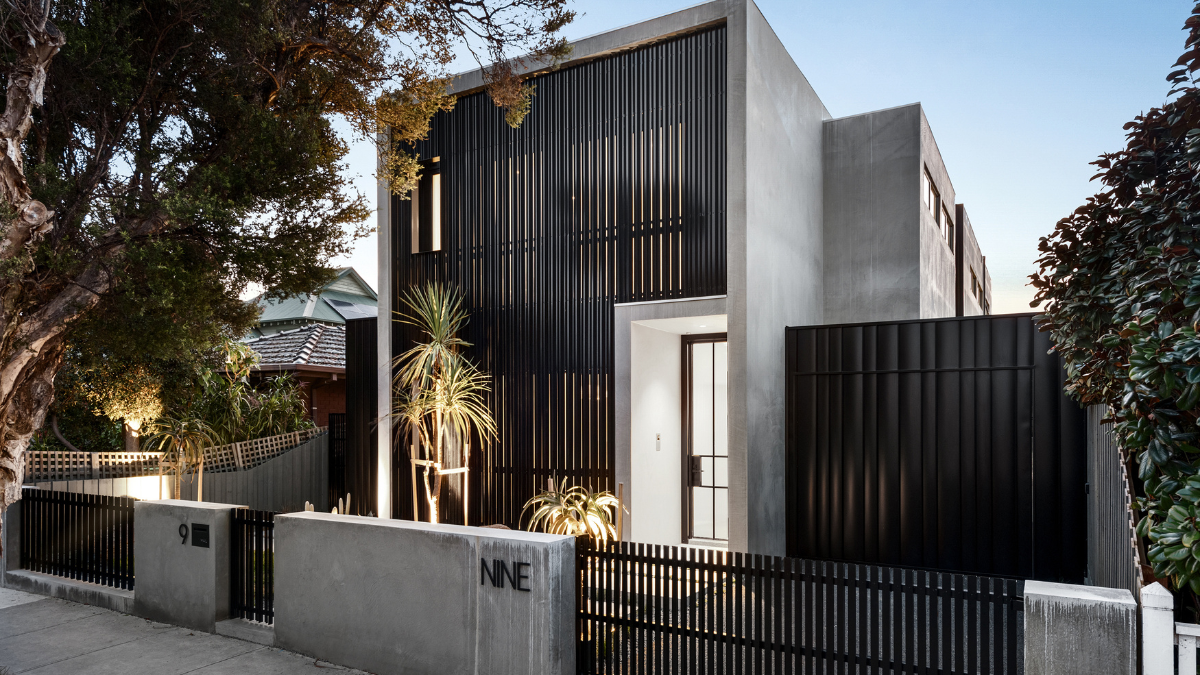
Contemporary home builders Melbourne

In luxury home building, transparency means sharing the right information at the right time. That openness strengthens trust, improves decision-making, and reduces surprises. Practical examples include routine progress updates, straightforward timelines, and candid conversations about challenges and trade-offs. Those habits shape a more collaborative relationship and smoother project delivery.

For custom builders, transparency is also a market differentiator. Demonstrating reliable communication and visible quality standards attracts discerning clients, encourages repeat business, and drives referrals, key drivers for sustainable growth in the high-end segment.

In short, strong quality management paired with clear communication is essential to satisfy demanding, high‑income clients in the luxury market.

What Are the Key Project Phases in High-End Custom Home Builds?

A high-end custom build follows distinct phases, each one essential to the outcome. Clients who understand these stages can engage more effectively and set sensible expectations throughout the process.

Project Phase Description Importance
Pre-Construction Planning, design development, budgeting, and securing permits. Establishes scope, schedule, and cost foundations for the entire project.
Construction The on-site build: excavation, framing, MEP (mechanical, electrical, plumbing), finishes, and systems integration. Where quality control and schedule discipline deliver the client’s vision.
Post-Construction Final inspections, client walkthroughs, commissioning, and punch‑list resolution. Confirms performance and finishes; secures client satisfaction and project closeout.

These phases make clear where quality checks and client decisions matter most. Staying informed at each stage helps clients protect their schedule, budget, and final quality.

How Is Quality Assurance Integrated Throughout Construction?

Quality assurance on luxury projects is systematic and proactive. It includes scheduled inspections, compliance with codes and specifications, and the use of vetted, premium materials. Builders layer quality checkpoints across phases to catch issues early, reduce rework, and keep the project on track.

Certifications and recognised standards reinforce transparent practice. Builders who follow established quality frameworks make their processes traceable, providing clients with additional confidence in craftsmanship and performance.

What Does a Typical Week on Site Reveal About Builder Transparency?

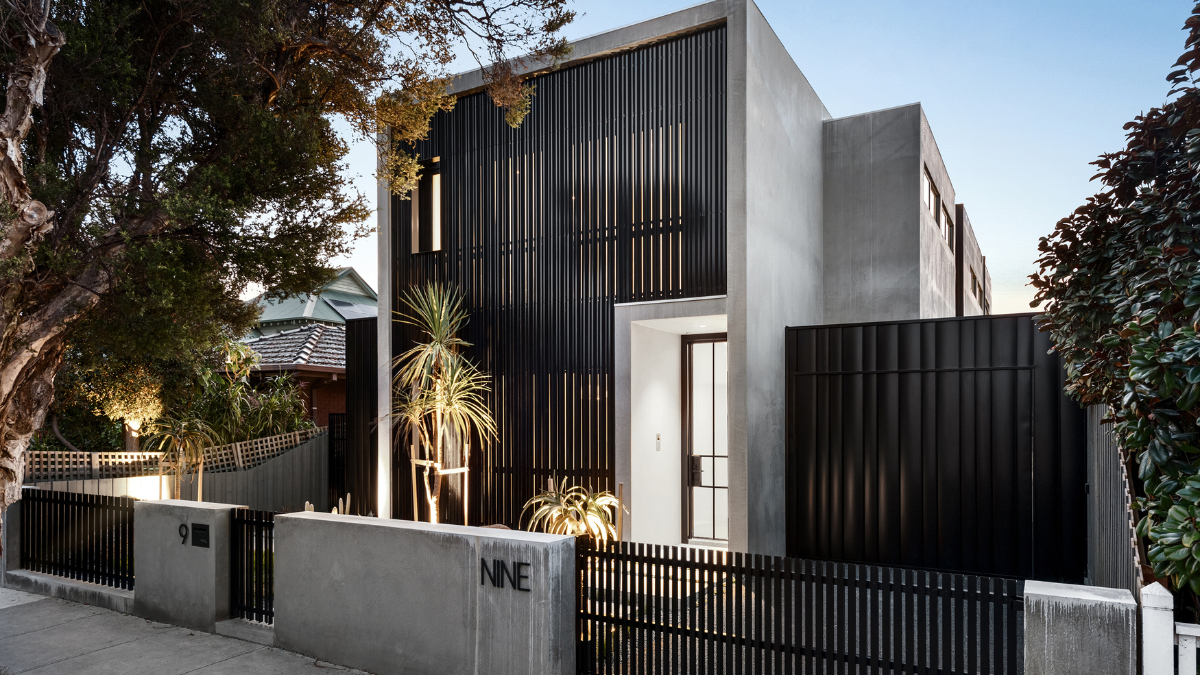
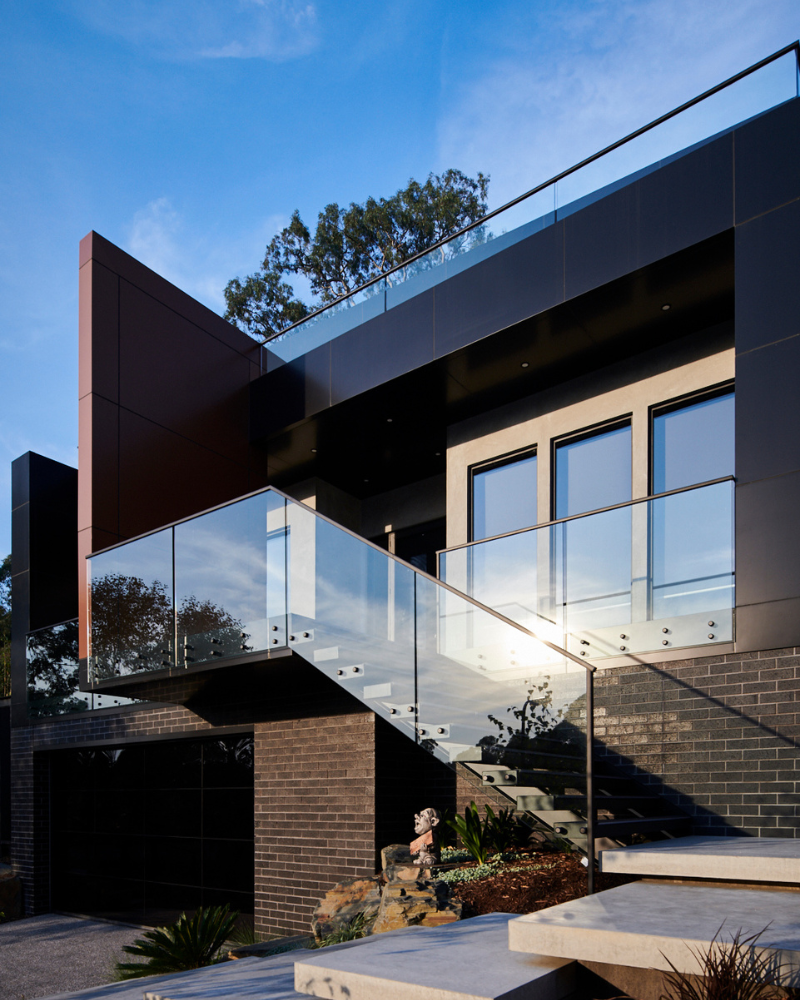
Contemporary home builders Melbourne

Observing a week on-site shows how transparency operates in daily routines: coordinating subcontractors, performing inspections, updating schedules, and communicating progress and decisions. Those visible activities signal a disciplined approach to delivery.

Client touchpoints are woven into the week. Regular check-ins, progress reviews, and walkthroughs keep clients aware of status and emerging issues, creating a partnership rather than a one‑way transaction.

How Are Construction Progress and Milestones Reported to Clients?

Effective reporting combines narrative, visuals, and scheduled review points so clients clearly understand where the project stands. Common reporting practices include:

  • Weekly Progress Reports: Concise summaries of completed work, upcoming tasks, and any decisions needed.
  • Visual Documentation: Photos and short videos that show actual site conditions and recent milestones.
  • Milestone Meetings: Planned discussions to review progress, confirm selections, and resolve open items.

Together, these methods reduce uncertainty and help manage expectations as the build advances.

Which Digital Tools Support Real-Time Transparency on Site?

Digital tools make information accessible and traceable. The most effective solutions include:

  • Project Management Software: Centralised platforms for schedules, RFIs, change orders, and status updates.
  • Mobile Apps: On-the-go access for photos, daily logs, and push notifications about key developments.
  • Cloud Storage Solutions: Secure document repositories for plans, permits, and reports shared with clients.

Those tools not only speed communication but also give clients a clear, auditable view of progress and decisions.

Industry experts note that digital solutions centralise and structure information flow, making communications traceable and reducing misunderstandings.

How Do Custom Home Builders Ensure Effective Client Communication?

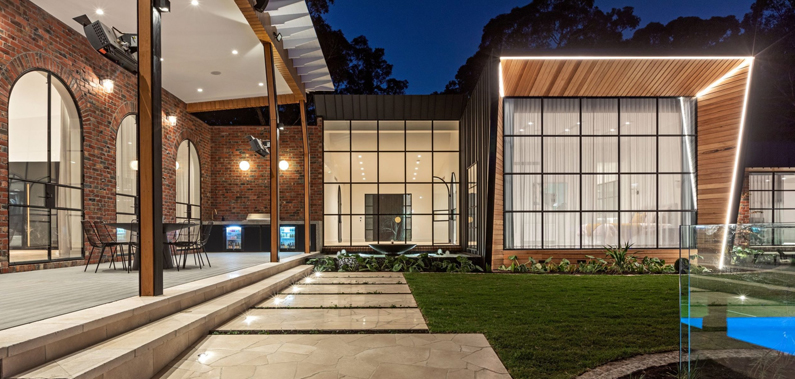
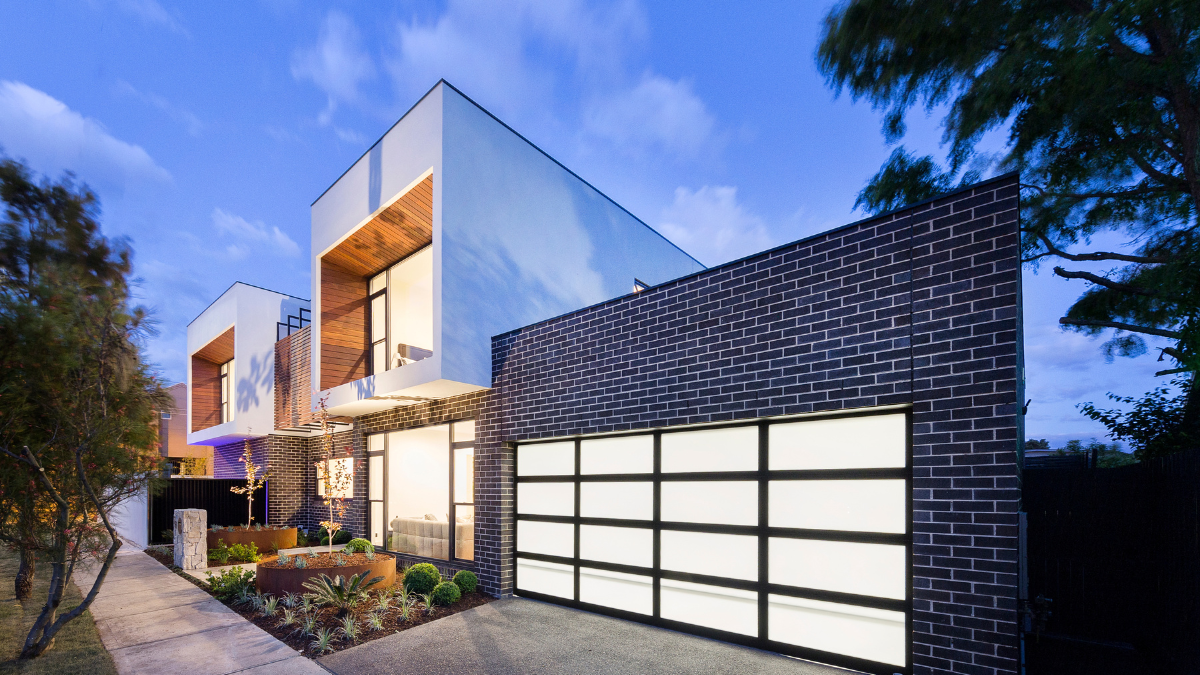
Contemporary home builders Melbourne

Clear client communication is planned, not accidental. Builders use a mix of scheduled contacts, feedback channels, and named points of contact to keep conversations timely and useful. Typical strategies include:

  • Regular Updates: Consistent status reports and proactive notifications when decisions are required.
  • Feedback Mechanisms: Structured ways for clients to share preferences and concerns at key decision points.
  • Dedicated Points of Contact: A primary project manager or client liaison who coordinates information and next steps.

Prioritising communication reduces friction, keeps schedules aligned, and improves final satisfaction.

What Reporting Methods Keep Clients Informed During Construction?

Builders rely on several repeatable reporting tools to keep clients up to date:

  • Daily Logs: Records of on-site activity, manpower, deliveries, and issues encountered.
  • Progress Photos: Visual records that document workmanship and milestone completion.
  • Scheduled Meetings: Regularly planned reviews to answer questions and confirm upcoming decisions.

These practices create a continuous narrative of the project, so clients always know what has happened and what comes next.

How Are Client Feedback and Consultations Managed Transparently?

Transparent feedback management uses clear channels and documented outcomes. Common approaches are:

  • Surveys: Brief, targeted questionnaires to capture client sentiment at key stages.
  • Consultation Meetings: Focused sessions to review selections, resolve issues, and record decisions.
  • Open-Door Policies: Encouraging clients to raise concerns promptly while recording responses and actions.

Proactively soliciting and recording feedback helps align expectations and reduces the risk of late-stage disputes.

What Are the Benefits of Transparency in Luxury Residential and Commercial Projects?

Transparent practices deliver clear business and client benefits. Principal advantages include:

  • Enhanced Trust: Openness builds a reliable working relationship between builder and client.
  • Improved Client Satisfaction: Well-informed clients are more comfortable with decisions and outcomes.
  • Increased Referrals: Satisfied clients are more likely to recommend the builder to peers.

These outcomes are especially important in high-end work, where expectations and reputational stakes are high.

How Does Transparency Impact Project Outcomes and Client Satisfaction?

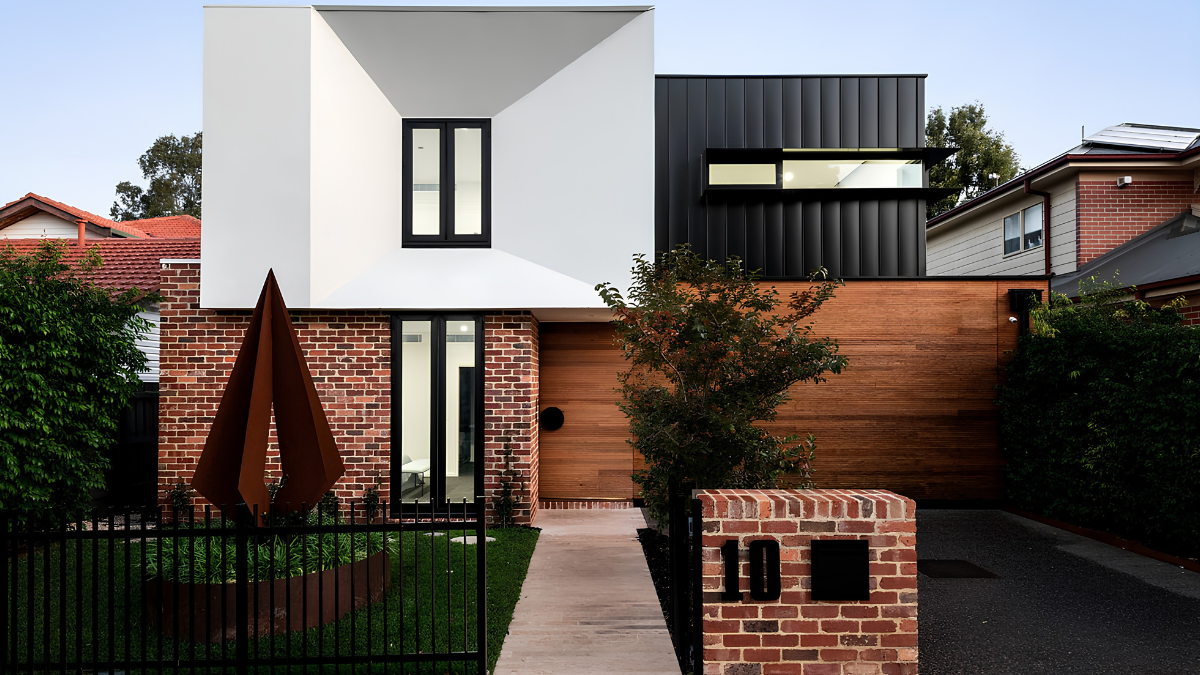
Contemporary home builders Melbourne

Transparency directly improves outcomes. When builders share progress and issues openly, clients stay engaged and can act quickly, leading to:

  • Fewer Misunderstandings: Clear, documented communication reduces disputes and confusion.
  • Timely Issue Resolution: Early awareness allows faster, less costly solutions.
  • Higher Overall Satisfaction: Clients who feel informed and involved report better outcomes.

In practice, transparent workflows deliver smoother projects and stronger client relationships.

What Quality Standards and Certifications Support Transparent Practices?

Recognised standards make processes verifiable and transparent. Relevant certifications include:

  • ISO 9001: A framework for consistent quality management systems.
  • LEED Certification: Recognition for sustainable, environmentally responsible building practices.
  • National Association of Home Builders (NAHB) Certification: Industry credentials that reflect adherence to accepted best practices.

Holding these certifications gives clients added assurance that a builder follows reliable, documented procedures.

Which Case Studies Showcase Successful Transparency in High-End Builds?

Several projects illustrate the practical benefits of transparent processes. Examples include:

  • Project A: A luxury residence that used real-time project management software to improve client visibility, resulting in on-time delivery and high client satisfaction.
  • Project B: A commercial build with regular stakeholder meetings that promoted collaboration and delivered expected outcomes.
  • Project C: A custom home that achieved LEED certification, demonstrating a commitment to sustainability and documented quality.

These cases show how deliberate transparency improves both process and outcome.

What Lessons Do Luxury Home Projects Offer on Transparent Construction?

High-end projects consistently teach three practical lessons:

  • Prioritise Communication: Frequent, meaningful updates keep clients aligned and reduce surprises.
  • Embrace Technology: Digital tools make information more accessible, auditable, and timely.
  • Seek Feedback: Regular input from clients improves decisions and strengthens relationships.

Applying these principles helps builders deliver higher-quality outcomes that meet client expectations.

How Do Commercial Building Projects Differ in Transparency Approaches?

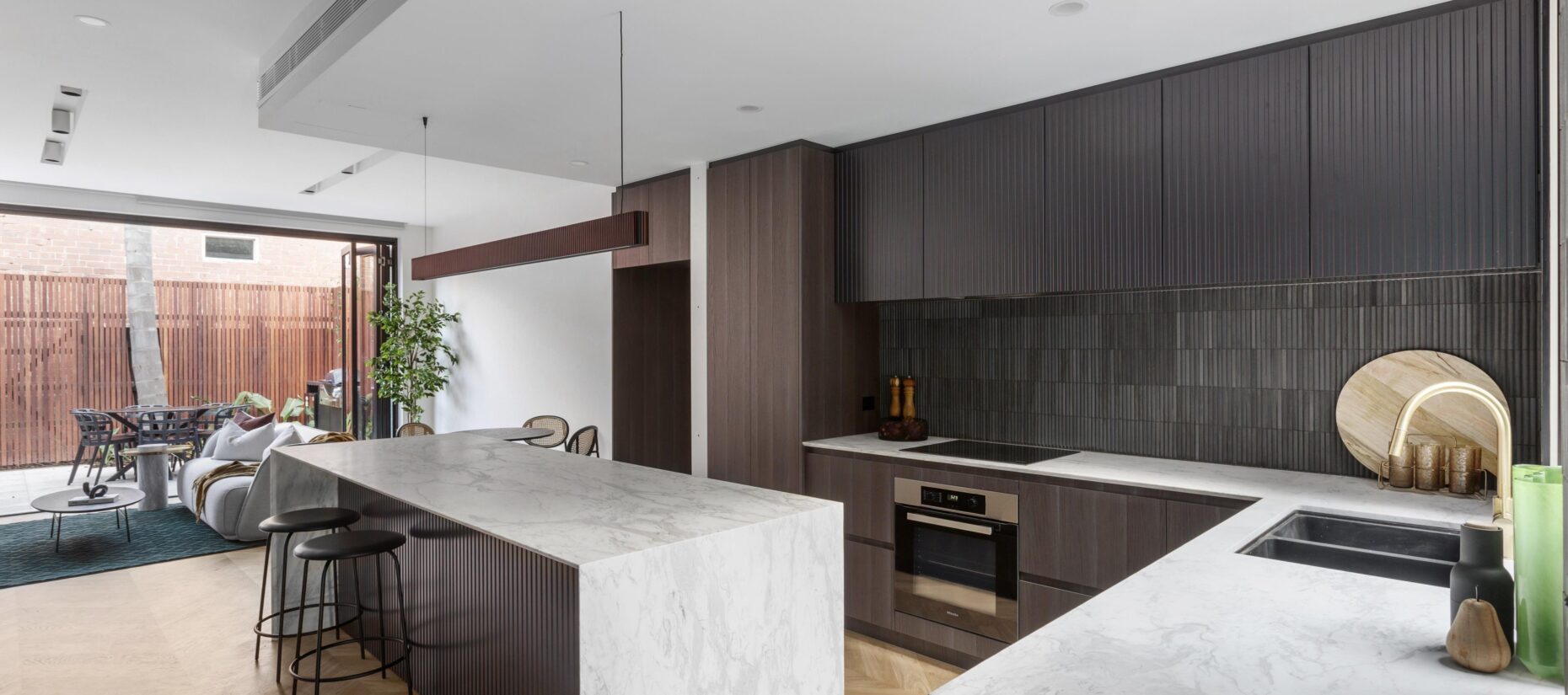
High end kitchen renovations Melbourne

Commercial projects often demand different transparency tools and rhythms than residential builds. Key differences include:

  • Stakeholder Involvement: More stakeholders require structured, formal communication plans.
  • Regulatory Compliance: Greater focus on documentation and approvals improves traceability.
  • Project Complexity: Larger scopes often need more detailed reporting and coordination.

Recognising these differences allows builders to tailor transparency to the project’s scale and stakeholder needs.

How Can Clients Engage with Builders to Maximise Transparency?

Clients can take practical steps to improve transparency on their projects. Effective actions include:

  • Ask Questions: Request clarifications early and document responses.
  • Request Regular Updates: Agree on a cadence for reports and meetings upfront.
  • Provide Feedback: Share preferences and concerns promptly so they can be addressed while options remain open.

Active, structured engagement helps clients get the information they need and contributes to a smoother build.

What Should Clients Expect During a Custom Home Build Week?

A typical week on a custom build includes predictable touchpoints and on-site activity. Expect:

  • Daily Site Visits: Opportunities to review progress and meet the team, when scheduled.
  • Regular Updates: Briefs on completed work, upcoming tasks, and any decisions required.
  • Client Meetings: Planned check-ins to resolve questions and confirm selections.

Knowing this rhythm makes the process feel more manageable and transparent for clients.

How Do Transparent Contracts and Reporting Tools Facilitate Trust?

Clear contracts and consistent reporting create a shared reference for decisions and expectations. Key elements that build trust include:

  • Clear Terms: Contracts that specify scope, timelines, responsibilities, and change procedures.
  • Regular Reporting: Documented updates that record progress and deviations from the plan.
  • Open Communication: A culture that welcomes questions and records responses to create an auditable trail.

When contracts and reporting are transparent, disputes decline, and confidence rises, benefitting both client and builder.

Conclusion

Transparency is not an add-on; it’s an operating principle that improves satisfaction, lowers risk, and strengthens outcomes on luxury builds. By combining clear communication, disciplined quality practices, and the right digital tools, builders can keep clients informed and engaged from concept to handover. If you want a construction partner that prioritises clarity and craftsmanship, discover how our team elevates the custom home experience.