
Commercial vs Residential Construction: Key Differences Explained
Commercial and residential construction are different disciplines, shaped by who will use the building and how. Commercial projects serve businesses, schools and industry, while residential projects range from bespoke homes to multi-residential developments. Requirements depend on the building’s classification under the National Construction Code (NCC), its intended use and its complexity.
Striking Constructions delivers commercial, education, development, multi-residential and bespoke residential projects across Melbourne. We do not design. We deliver construction alongside our clients’ appointed architects, designers and consultants. This guide explains the key differences and what to look for when choosing a builder.

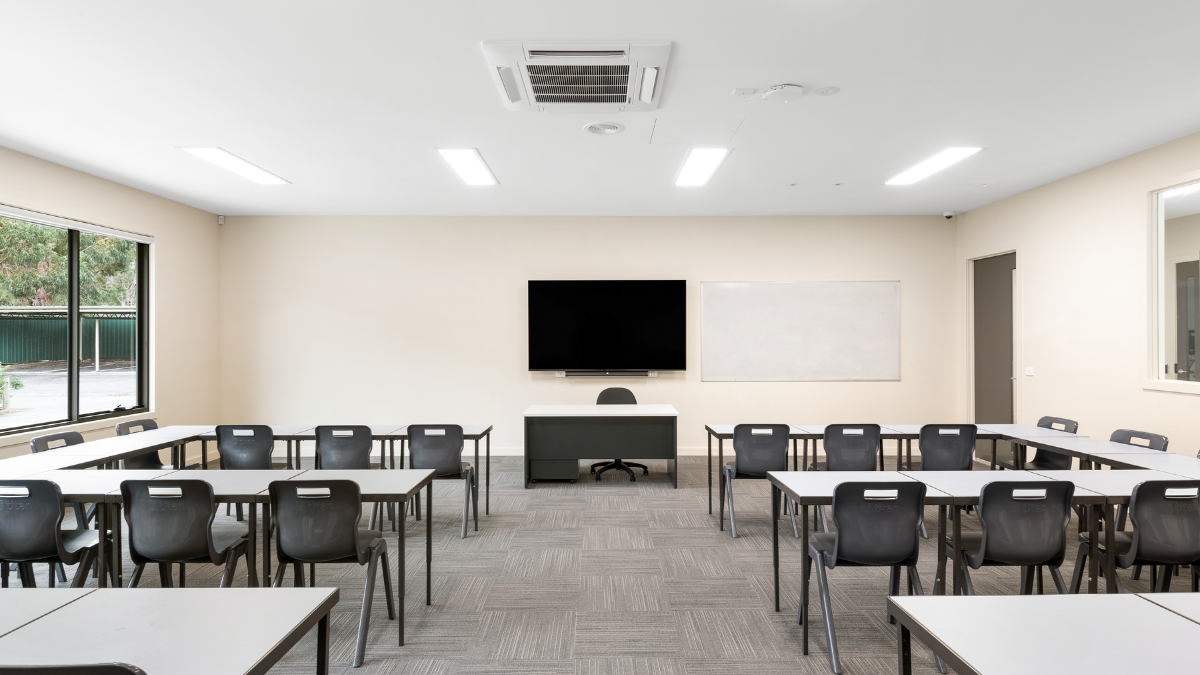
The Core Differences Between Commercial and Residential Construction
The main difference is who occupies the finished building and why. Commercial buildings are made for organisations to operate in, such as offices, retail premises, factories, warehouses and schools. Residential buildings are made for people to live in, such as houses, duplexes, townhouses and apartments.
Intended use influences almost every decision, from structural design and fire safety to services and finishes. Both types of project carry important compliance obligations. What changes is which requirements apply, not how seriously they are taken.
Building Classification Sets the Requirements
The NCC groups buildings into classes based on use. Houses and townhouses are generally Class 1, apartment buildings are Class 2, offices are Class 5, shops are Class 6, and schools fall under Class 9b. The requirements a project must meet, including fire safety, accessibility and energy efficiency, vary with its class, size and complexity.
Quality Matters in Both
Commercial projects need skilled craftsmanship and considered finishes, particularly in client-facing spaces. Residential projects must also perform well and last, with durable materials and sound detailing. The difference is in priorities and constraints, not in the standard of workmanship expected.
How the Project Types Compare
Complexity depends on the individual project, not the category. A bespoke home can have more specialised services than a small commercial fit-out, and a multi-residential development can involve more stakeholders than a school. The table shows what typically shapes each type.
Factor | Commercial construction | Houses and bespoke homes | Apartments and multi-residential developments |
Typical buildings | Offices, retail, factories, warehouses, schools | Houses, duplexes, townhouses, bespoke homes | Apartment buildings, townhouse developments, mixed-use buildings |
Occupants | Businesses, staff, visitors and the public | Families and individuals | Multiple households, owners, tenants and building managers |
Design drivers | Workflow, public access, operational needs and NCC class | Lifestyle, layout, orientation, comfort and NCC class | Density, shared areas, privacy, acoustics and NCC class |
Building services | Can include HVAC, fire services, data and commercial kitchens | Can range from standard systems to highly customised heating, cooling, automation and integrated appliances | Often shared or centralised, such as fire services, lifts, hydraulics and energy systems |
Stakeholder coordination | Tenants, operators, project managers, consultants and authorities | Owner, architect or designer, consultants and builder | Developer, consultants, building surveyors, authorities and sometimes future owners |
Site logistics | Constrained sites, trading neighbours, deliveries and tight programs | Neighbouring homes, access limits, difficult or sloping sites and disruption to the household | Dense sites, shared boundaries, crane and delivery coordination and staged works |
Handover needs | Commissioning, certification, operations and maintenance documentation, and tenant readiness | Final inspections, defect checks, warranties and owner orientation | Occupancy approvals, certification, defects management across many dwellings and handover documentation |
Where Do Apartments Fit?
Apartments are generally Class 2 buildings under the NCC. They are residential buildings, and renting out the apartments does not turn them into commercial buildings.
Three separate ideas are often mixed up here:
- Building classification: This describes how the building is used and is set by the NCC. A building of apartments is Class 2 whether the owners live in them or lease them out.
- Builder registration: This is the category of registration a builder holds. The work a builder can carry out depends on the registration category and the scope of the project. Apartment projects are often larger and more complex than a single home, so builders with commercial-scale experience are commonly involved.
- Investment terminology: Describing an apartment as an investment property or a build-to-rent project refers to how it is owned and financed. It does not change its NCC classification.
Some buildings contain more than one class. An apartment tower with ground-floor shops, for example, may combine Class 2 apartments with Class 6 retail space. Developers should confirm classification with their building surveyor and design team early, because it affects approvals, fire safety and accessibility requirements.
Choosing the Right Builder for Your Melbourne Project
Choose a builder with relevant experience in the type of project you are planning. A commercial fit-out, a school building, a development and a bespoke home each call for different skills, so ask to see completed projects similar to yours.
Also check:
- Registration: Confirm the builder holds the right registration with the Building and Plumbing Commission (BPC) for the work. Striking Constructions holds Victorian building registrations CDBU52395 and CBL45187.
- Experience: Striking Constructions has delivered commercial, education, development, multi-residential and bespoke residential projects across Melbourne for over two decades.
- Team: Ask how the builder works with your architects, designers, consultants and trades, and who your day-to-day contact will be.
Striking Constructions is based in Greensborough and works with clients across Melbourne.
Frequently Asked Questions
What Is the Main Difference Between Commercial and Residential Construction?
Commercial construction serves businesses, education and industry, while residential construction creates homes. Requirements differ according to building classification, use and complexity, and both carry important compliance obligations.
Are Apartment Buildings Commercial or Residential?
Apartment buildings are generally Class 2 residential buildings under the NCC. Leasing apartments to tenants does not make the building commercial. Mixed-use buildings can include more than one class, such as apartments above retail space.
What Should I Look for When Choosing a Builder?
Look for relevant experience in your type of project, the correct registration for the work, and a clear process for coordinating with your architects, consultants and trades.
What Types of Projects Does Striking Constructions Build?
Striking Constructions delivers commercial, education, development, multi-residential and bespoke residential projects across Melbourne.
Does Striking Constructions Design the Building?
No. We deliver construction alongside your appointed architects, designers and consultants.
Discuss Your Project
Planning a commercial, education, development, multi-residential or bespoke home project? Tell us about your plans and construction requirements, and we can talk through how we may be able to help. Contact Striking Constructions.