
Choosing the Right Appliances for a Bespoke Home
Kitchen and laundry appliances play a big part in how a bespoke home looks, feels and functions day to day. Getting the selection right means balancing performance, durability and design so that everything works with the cabinetry and layout, rather than against it.
Appliance selection is usually led by the homeowner in partnership with their architect or interior designer, who help match style, size and features to the home’s layout and the household’s daily routine. Where Striking Constructions comes in is coordination: making sure appliance specifications line up with joinery, electrical, plumbing, gas and ventilation requirements as the build progresses.
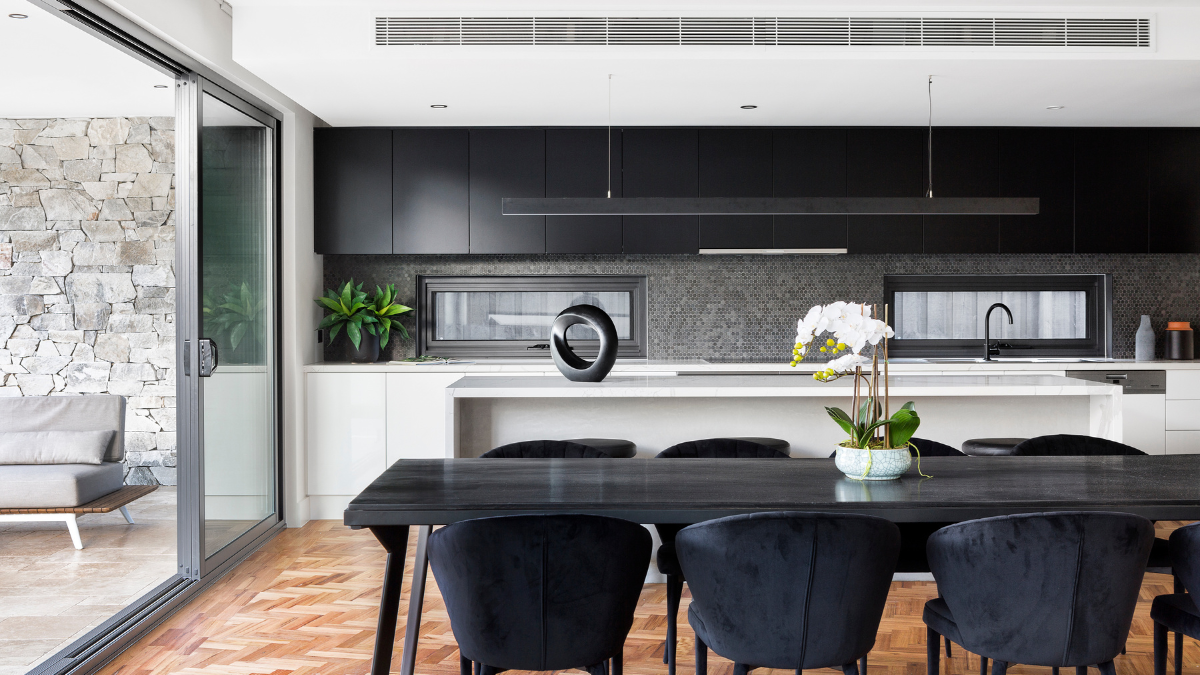

What Should You Plan Before Selecting Appliances?
Appliance planning works best when it starts well before anyone visits a showroom. Setting a plan early, alongside the build schedule, gives homeowners and architects the framework they need to choose appliances that suit the budget and timeline without last-minute changes once cabinetry and services are already in.
Striking Constructions has built a track record delivering bespoke residential projects across Melbourne, with a focus on quality, transparency and attention to detail. That approach shapes how appliance planning fits into the broader build, treating it as part of the construction sequence rather than a separate furnishing task.
Why Is It Important to Involve Architects and Consultants Early?
Bringing architects and consultants into the conversation early helps avoid mismatches between appliance specifications and the structural or service allowances already built into the design. When architects, designers and consultants are involved from the start, decisions on placement, ventilation and power requirements can be locked in well ahead of installation.

What Should an Appliance Planning Checklist Include?
A clear checklist helps keep decisions aligned with lifestyle, layout and budget. Before shopping begins, it’s worth confirming:
- Household cooking habits and how often the space is used for entertaining
- A realistic budget for the full appliance suite
- Appliance dimensions against cabinetry and services documentation
- Energy ratings and expected running costs
- Finishes that match the home’s overall material palette
Working through this checklist before browsing appliances makes it far easier to land on choices that are functional, stylish, and within budget.
How Do Layout and Lifestyle Guide Your Choices?
Kitchen layout has a big influence on appliance decisions. Existing footprints, full remodels and new builds each bring different constraints around scale, placement, and power, so this needs to be considered from the outset.
Homeowners, architects and designers choosing appliances for a bespoke home typically start by matching the layout to how the space is actually used day to day. A galley kitchen for a couple calls for different equipment than an open-plan kitchen built for a larger household that entertains often.

Does Household Size Affect Appliance Selection?
Household size often has more bearing on appliance choice than trends or brand preference. Larger families tend to need:
- A larger fridge to handle a full weekly shop without overcrowding
- A double oven to manage cooking during busy meal times
- A high-capacity dishwasher suited to daily use
Why Is Having a Clear Vision Important in a Bespoke Home?
Setting clear expectations early in a bespoke project makes a real difference. Clients usually arrive with a strong sense of the finish, functionality and integration they want, and this shapes every appliance decision that follows. Striking Constructions works to bring layout, lifestyle and vision together, so trades such as electrical, plumbing and joinery are aligned before any appliances are installed.
Which Appliance Features Deserve Closer Examination?
Cooktop configuration, oven placement and lead times all deserve a closer look when planning appliances for a bespoke home, particularly once cabinetry fabrication is underway.
Moving away from a standard range setup changes things considerably. When ovens and cooktops are sourced separately, there are several configurations to weigh up:
- Double ovens, well suited to households that entertain often
- Wall ovens positioned at eye level for accessibility and a cleaner design line
- Steam ovens for households focused on healthier, more precise cooking
Each of these comes with its own clearance, ventilation, and electrical requirements, so the choice made here has a flow-on effect for the rest of the build.
Is Appliance Shopping Really an Investment Decision?
Kitchen appliances represent a significant spend, not a minor purchase. It’s worth applying the same level of care to appliance decisions as you would to structural finishes.
Who Manages Appliance Coordination During Construction?
A builder’s role goes beyond managing subcontractors. It also includes coordinating consultants, suppliers, and specialist trades so appliance procurement lines up with the rest of the build. This matters most in bespoke projects, where custom joinery, tailored ventilation and specific electrical loads all need to match precise appliance specifications at the right point in the schedule.


What Needs to Be Confirmed Before Installation?c
Locking in the right details early helps avoid complications once appliances are ready to go in. It’s worth confirming:
- Final appliance specifications, including exact model numbers and dimensions, before cabinetry and joinery are finalised
- Power, gas and ventilation points against the approved appliance schedule
- Installation requirements and delivery timeframes with suppliers, electricians and cabinetmakers
- Fit, function and finish of integrated units ahead of the final walkthrough
Final appliance selections need to be provided before joinery and the building schedule are locked in, giving the trades enough lead time to plan installation properly.
How Can Appliance Integration Issues Be Avoided?
Integration issues usually come down to timing. When appliance selection happens too late, after cabinetry, benchtops and services have already been finalised, retrofitting appliances into a fixed layout can compromise clearance, ventilation or finish.
Avoiding this comes down to planning and working with a builder who coordinates appliance specifications alongside the rest of the build, rather than treating them as an afterthought. Getting this right from the start makes for a smoother handover and a kitchen that works the way it was designed to.
Thinking through your appliance selections for your next build? Get in touch with the Striking Constructions team to talk through how appliances fit into your project timeline.
Frequently Asked Questions
What should you do before selecting appliances for a bespoke home?
Start with a plan that considers lifestyle, cooking habits and long-term functionality before setting a budget. Assess your needs, confirm a realistic budget, and research styles, sizes, and features that suit the space.
Why is it important to involve architects and consultants early in the planning of appliances?
Early collaboration helps prevent mismatches between appliance specifications and structural or service allowances, such as placement, ventilation, and power requirements. Involving architects, designers, and consultants from the start gives homeowners more confidence at each stage of the build.
What should an appliance planning checklist include?
Confirm cooking habits and how often the space will be used for entertaining, set a realistic budget, and check appliance dimensions against cabinetry and services documentation. It’s also worth reviewing energy ratings and running costs, and making sure finishes align with the home’s overall material palette.