
Roofing Options for Bespoke Homes: A Practical Guide
Roofing is one of the more significant decisions in a bespoke home build. In Melbourne, common options include COLORBOND® steel, standing-seam metal, and concrete or terracotta tiles, each with different benefits depending on the home’s design, budget, and site conditions.
Striking Constructions, based in Greensborough, works as the registered builder and project coordinator on bespoke homes across Melbourne, with more than 15 years of experience delivering these projects. Roofing decisions are made in consultation with the project architect, structural engineer, client, and specialist roofing trades. The right roofing system depends on a combination of architectural style, structural requirements, planning controls, and the client’s budget.

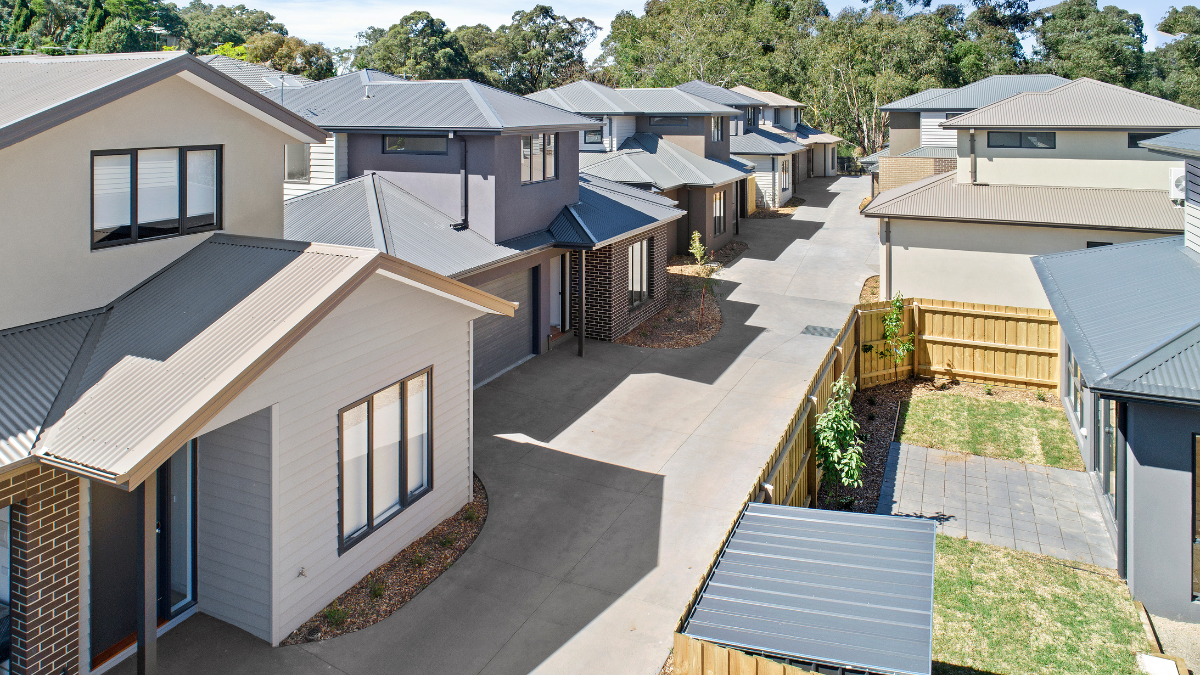
Why Does Roof Choice Matter for a Bespoke Build?
The roof plays a big part in how a bespoke home looks and performs over time. Because a bespoke build allows almost every detail to be specified, the roofing system is one of the choices worth thinking through carefully alongside the architect.
Getting this decision wrong can lead to a mismatch between the intended design and the finished result, or to maintenance issues down the track. The roofline has a real effect on the overall shape and proportion of a home, so it’s worth the same level of attention as other major design elements.
Who Should Guide Roofing Decisions?
Roofing decisions work best as a collaborative process between the architect, the client, and the builder, with input from the roofing trade and structural engineer where needed. Striking Constructions coordinates this process to make sure roofing choices are practical and align with the architectural plans.
Some of the things typically considered include:
- How the roofline fits with the overall design of the home.
- The durability and maintenance requirements of different materials.
- Compliance with the National Construction Code, planning permits, and any site-specific requirements such as bushfire attack level (BAL) ratings.
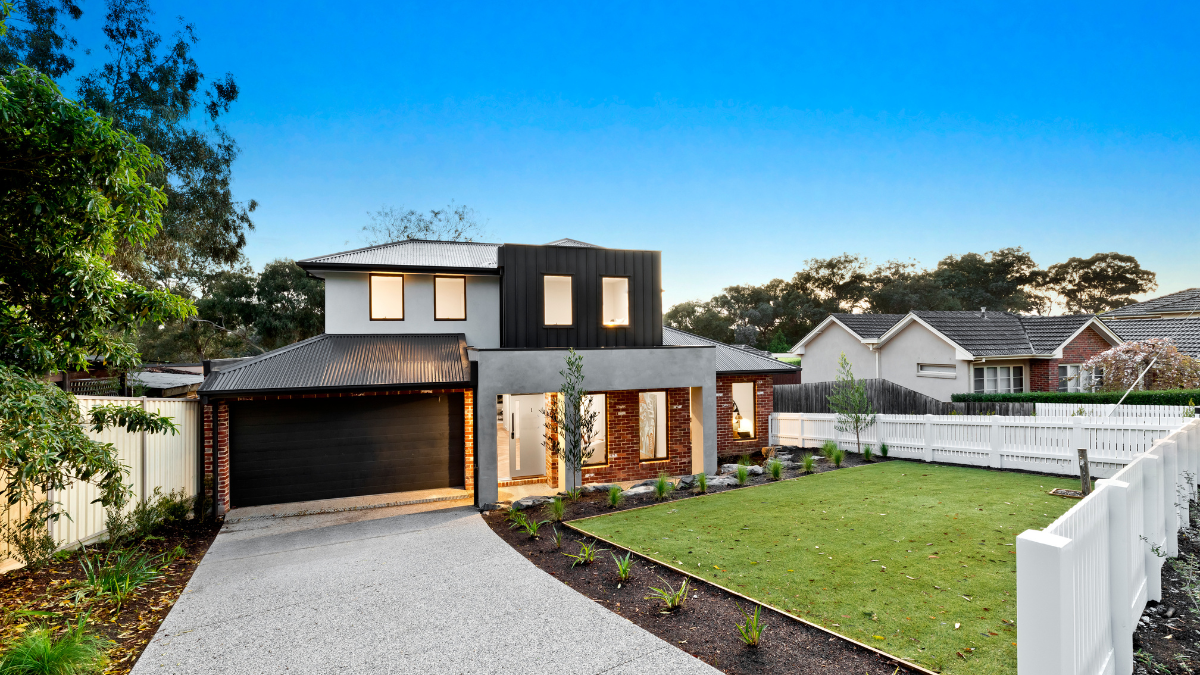
Which Roofing Options Are Common for Bespoke Homes in Melbourne?
The two main roofing categories used across bespoke builds in Melbourne are metal roofing (including COLORBOND® steel and standing-seam profiles) and tile roofing (concrete or terracotta). The right choice depends on the architectural style, roof pitch and complexity, and the overall design brief.
Are Concrete or Terracotta Tiles a Good Option?
Yes, tile roofing remains a common and practical choice for many home styles in Melbourne, particularly for traditional or transitional designs. Tiles offer a well-established, cost-effective option within many design frameworks, and are supported by a wide network of trades experienced in their installation and repair.
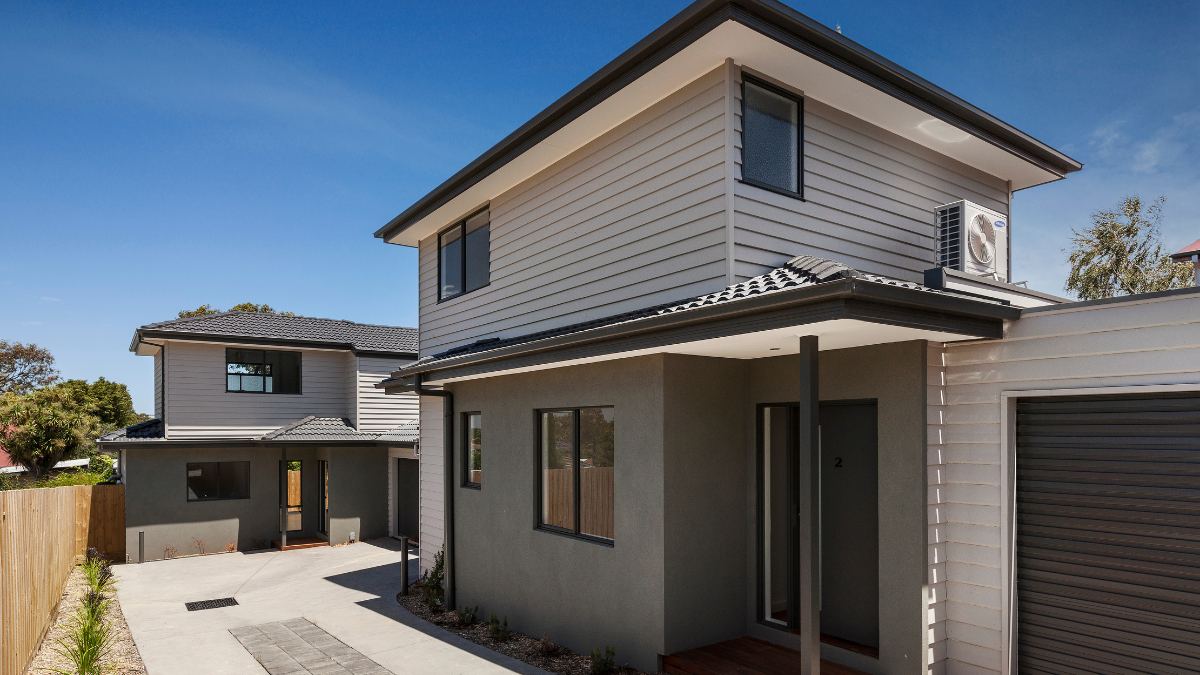
When Is Metal Roofing More Suitable?
Metal roofing, including COLORBOND® steel and standing-seam systems, is often used on larger or more contemporary homes. Its clean lines suit sharper rooflines and simpler geometric forms, which is one reason it’s a popular choice for more modern architectural styles.
Both systems have their place depending on the project brief, roof design, and budget.
How Does Melbourne's Climate Factor Into Roof Selection?
Melbourne’s weather, including wind-driven rain, temperature swings, and periods of high heat, is a practical factor when selecting roofing materials. A roofing system that isn’t well suited to local conditions can show signs of wear earlier than expected.
Site-specific factors such as coastal exposure, hillside wind loading, and local microclimate are also worth discussing with the architect and roofing trade, since they can influence which materials and installation details are appropriate.
What Roofing Options Tend to Perform Well in This Climate?
A few common options considered for Melbourne homes include:
- Standing-seam or COLORBOND® steel roofing, which sheds water efficiently and is often chosen for its wind resistance and clean lines.
- Concrete or terracotta tiles, which offer good thermal mass and a more traditional profile.
- Membrane and low-slope systems, typically used on contemporary flat-roof designs where waterproofing is a key requirement.
The right option depends on the specific site and design, so it’s best confirmed with the architect and roofing trade rather than assumed from general climate trends.
What Role Do Quality Materials Play in a Roof's Lifespan?
The quality of roofing materials affects how long a roof performs before repair or replacement is needed. Poor material choices can lead to earlier wear, water ingress, or higher maintenance costs.
Good materials alone don’t guarantee a durable roof, either. Careful installation, correct detailing at junctions and penetrations, and proper sequencing on site all affect how well a roofing system performs. A few factors that contribute to a durable, well-performing roof:
- Installation quality – accurate, careful workmanship helps materials perform as intended.
- Compliance – roofing work needs to meet the National Construction Code and any relevant Australian Standards.
- Design coordination – roofing choices should align with the architectural plans and engineering requirements.
- Site-specific requirements – factors such as planning overlays, bushfire attack level (BAL) ratings, and energy efficiency requirements (e.g. NatHERS ratings) can all influence material and design choices.
- Budget – the roofing specification needs to work within the overall project budget alongside other build costs.

What Does a First Consultation Typically Cover?
An initial discussion usually covers material preferences, budget, and how the roofing fits within the architectural plans. Relevant considerations often include:
- The architectural plans and how the roofline integrates with the overall design.
- Engineering requirements and structural considerations.
- Planning controls, including any overlays or permit conditions that apply to the site.
- Bushfire attack level (BAL) requirements, where applicable.
- Energy efficiency requirements, such as NatHERS ratings.
- The overall project budget.
Roofing is one part of a bespoke build that benefits from early planning and clear communication between the client, architect, engineer, and roofing trade.
Ready to Talk Roofing for Your Bespoke Build?
If you’re planning a bespoke home and want roofing advice tailored to your design, site, and budget, get in touch with Striking Constructions to arrange a consultation.
Frequently Asked Questions
What roofing materials are commonly used for bespoke homes in Melbourne?
COLORBOND® steel, standing-seam metal, and concrete or terracotta tiles are all commonly used, depending on the home's design, budget, and site conditions.
Why does roof choice matter for a bespoke build?
The roofline affects the overall shape and appearance of the home, so it's worth the same level of attention as other major design elements.
Who should be involved in roofing decisions for a bespoke home?
Roofing decisions typically involve the architect, client, structural engineer, and specialist roofing trade, coordinated by the builder.