
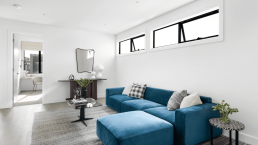
Custom Build vs Volume Builder: What You’re Really Paying For High-End Residential Construction
Building a new home means making choices that shape your budget, timeline, and day‑to‑day living. One of the first and most consequential decisions is whether to commission a custom build or work with a volume builder. Each path affects design control, material standards, costs, and future resale differently. This article breaks down the differences so you can make a confident, clear decision.
The Melbourne luxury build market is evolving quickly, and it’s easy to lose sight of where your money goes. Below, we unpack the practical trade‑offs between bespoke construction and volume production, showing how material selection, timelines, and design options translate into real value for homeowners.
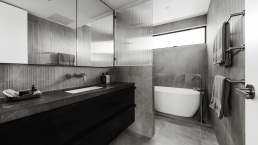
Design Flexibility
Design flexibility is one of the clearest contrasts between custom and volume approaches. Custom builders design around your brief: layouts, architectural details, and finishes are tailored to your lifestyle. That level of control allows you to prioritise the features that matter most. Volume builders, by contrast, work from fixed plans created for efficiency; those standard options keep costs down but limit personalisation.
A custom approach often leads to a stronger emotional connection to the home because it reflects how you live. If having unique spaces, specific sightlines, or bespoke features is important, custom construction typically delivers higher homeowner satisfaction.
Material Quality
Material choice directly affects a home’s durability, look, and running costs. Custom projects typically specify higher‑grade materials and finishes that enhance longevity and aesthetic appeal. Volume builders tend to use standardised, cost‑effective products to maintain price consistency across many homes.
Investing in better materials can pay off through improved energy performance and reduced maintenance over time. For many homeowners, those long‑term savings and the elevated finish justify the initial premium of a custom build.
If material quality is a priority, it’s worth reviewing supplier lists and product specifications early in the process. Custom builders generally offer broader access to premium options, so you can align the final outcome with your expectations.
Resale Value
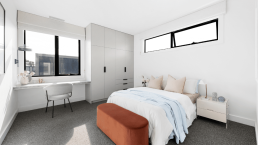
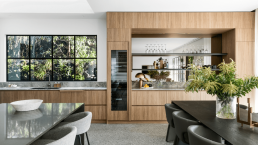
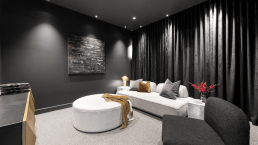
Resale value matters whether you plan to move or simply want to protect your investment. Custom homes, with distinctive design and higher‑grade finishes, often command a premium because they stand out. Buyers are typically prepared to pay more for features and quality that feel unique.
In addition to unique architectural elements and premium materials, custom homes often offer opportunities for upgrades and additions that can further enhance resale value. These may include smart home technologies, energy-efficient systems, bespoke landscaping, and additional living spaces such as home offices or outdoor entertainment areas. Such enhancements not only increase the home’s appeal but also demonstrate thoughtful investment in quality and functionality, which can attract discerning buyers willing to pay a premium.
Standardised volume homes usually compete more heavily on location and price. Their broad appeal can be an advantage in some markets, but in others, the lack of distinction may limit how much buyers are willing to pay. While volume builders may offer upgrade packages, these are often limited in scope and may not significantly impact the home’s uniqueness or long-term value. Buyers in competitive markets may prioritize customization and quality features that set a property apart, which volume homes may lack.
Factors Influencing Pricing Decisions
Several elements drive the cost of custom construction: the materials you choose, the availability and skill level of tradespeople, and the fees for design and project management. Premium materials and highly skilled labour both increase costs, but they also influence the finished quality.
Design fees and ongoing project oversight add to the total as well. Budgeting accurately for these components up front helps avoid surprises and ensures the final price reflects the level of finish you expect.
What Are the Key Differences Between Custom Builders and Volume Builders?
The key differences between custom builders and volume builders can be summarised as follows:
- Design Flexibility: Custom builders deliver tailored designs; volume builders use fixed plans for efficiency.
- Material Quality: Custom builders typically specify premium materials; volume builders favour standardised options.
- Cost Structure: Custom builds generally cost more upfront but can offer stronger long‑term value.
These distinctions should guide your decision depending on whether you prioritise control, initial cost or long‑term value.
How Does Bespoke Design Define Custom Build Projects?
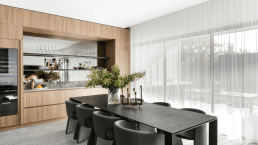
Bespoke design lies at the heart of custom projects: it’s about shaping a home to fit your needs rather than squeezing your life into a standard layout. That can include unique architectural elements, tailored spatial planning, and the integration of sustainable systems specific to your site and lifestyle.
Bespoke details not only elevate the aesthetic but also improve functionality, think layouts that capture light, storage designed around how you live, or materials chosen for both beauty and longevity. When executed well, bespoke design enhances both daily living and long‑term value.
For many homeowners, the flexibility to change and refine design decisions during the build is a major part of the appeal, and a primary reason people opt for custom over volume.

What Standardised Plans Do Volume Builders Offer?
Volume builders typically publish a set of standard plans developed for efficiency and broad market appeal. These plans prioritise predictable costs, faster delivery, and layouts that suit common buyer preferences. Customisation is usually limited to a selection of upgrade packages or minor plan tweaks.
That standardised approach can be a strength if you want a straightforward, lower‑risk build. But if your priorities include unique spatial solutions or high‑end finishes, the limits on customisation may be a drawback.
How Do Custom Home Construction Costs Compare to Volume Builder Pricing?
Comparing costs between custom and volume builds requires looking beyond the headline price. Custom projects carry higher initial costs for design time, specialist trades, and premium materials. Yet those choices can reduce running costs and support stronger resale outcomes.
Volume builders offer appealing entry prices, but consider the lifetime implications: lower‑grade fittings, less efficient systems, and a narrower finish palette can increase running and maintenance expenses, and may reduce long‑term marketability.
What Factors Influence the Cost of Luxury Custom Builds in Melbourne?
Several factors influence the cost of luxury custom builds in Melbourne, including:
- Material Quality: Higher‑grade materials increase costs but improve durability and finish.
- Labor Costs: Skilled trades command premium rates, which affect the overall budget.
- Design Complexity: Intricate geometry, specialised details, and bespoke elements require more time and resources.
Knowing how these variables interact helps you prioritise where to invest for the best outcome.
Are Volume Builders Adopting Sustainability in Their Standard Plans?
Some volume builders are starting to include basic sustainability measures in their standard offerings, improved insulation, efficient hot‑water systems, and LED lighting, among them. However, the depth and flexibility of sustainable options usually lag behind what you can achieve with a custom project.
If sustainability is a core priority, assess the available options carefully and discuss targeted upgrades early, whether you choose a volume or custom route.
Conclusion
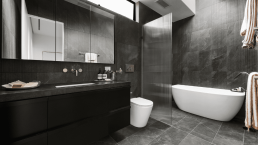
Choosing between a custom build and a volume builder comes down to priorities: control, material standards, and long‑term value versus predictability, speed, and lower upfront cost. Custom builds deliver tailored design and higher‑end materials that often translate into stronger resale potential and lower lifecycle costs. Volume builders can be a sensible choice for a streamlined, budget‑focused build. Evaluate your objectives, budget, and timeline, then choose the approach that best aligns with your long‑term goals.

Building the Future: Sustainable Home Trends Every Australian Homeowner Should Know
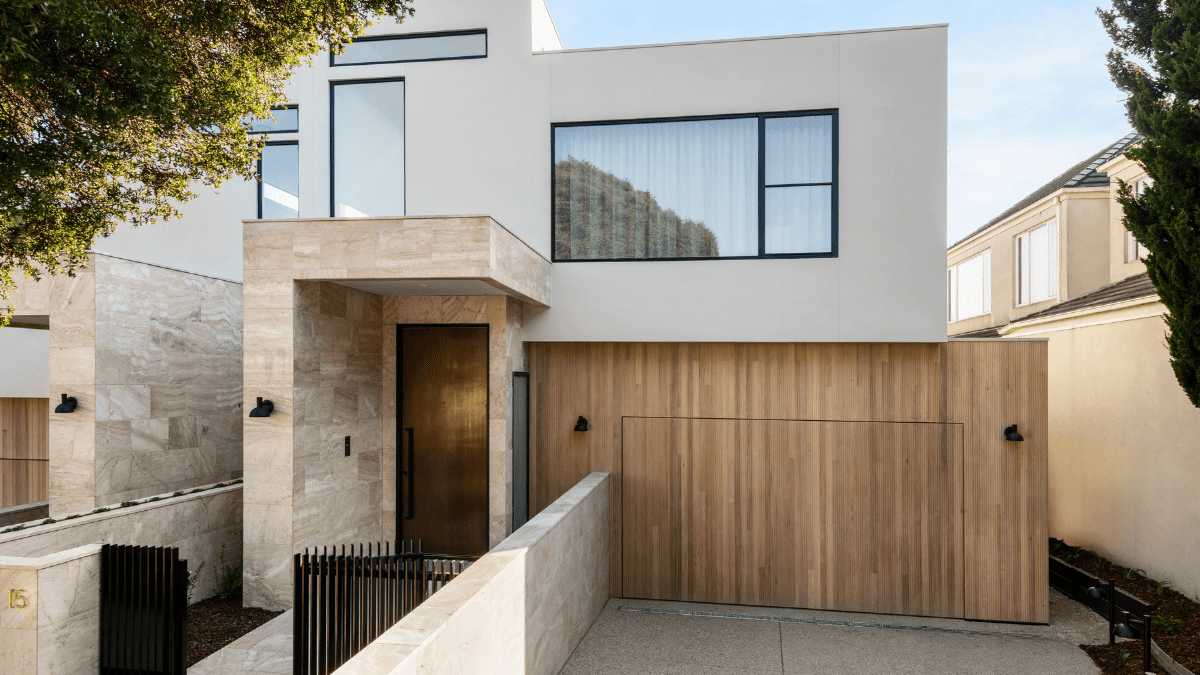
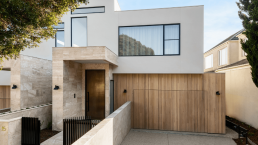
Embarking on a sustainable residential home build in Australia is an exciting journey, offering immense opportunities to integrate eco-friendly design and smart, resource-efficient living solutions. For Australian homeowners, understanding and embracing these sustainable home trends is not just about being modern; it's about creating a healthier, more cost-effective, and future-proof living space.
This guide explores the key sustainable trends shaping Australian homes, what to consider when planning your own trending residential build, and how to prepare for discussions with builders specialising in eco-conscious construction. Being well-informed ensures you maximise the long-term value and environmental benefits of your new home.
Why Embracing Sustainable Trends is Crucial for Your Australian Home Build
The decision to build a sustainable home is where a successful, eco-conscious project truly begins. It’s the prime opportunity for homeowners and builders to align on a green vision, clarify expectations for innovative sustainable features, and establish trust. This meeting delves beyond basic sketches and materials, focusing on setting priorities for energy efficiency, water conservation, sustainable materials, and contemporary aesthetics. A thoughtful consultation lays the foundation for a smooth, well-managed build, from concept through to the completion of your environmentally responsible home.
How Sustainable Trends Shape Your Residential Home Build Project
At the initial meeting, builders will explore your goals for a sustainable home, your preferences for eco-friendly design, and any site-specific considerations that might influence innovative solutions. This conversation helps define the project scope, identify opportunities for smart energy and water integration, and flag potential challenges early for proactive management.
By sharing your ideas and priorities for a future-proof home, the builder can propose practical, sustainable solutions and outline a realistic path forward. Strong projects, especially those embracing new green trends, start with clear, open communication at this stage.
Why a Client-Focused Approach Delivers Better Sustainable Homes
A client-focused approach ensures your sustainable home build remains centred on your modern lifestyle, evolving preferences, and functional needs. It enables builders to gather essential details from your daily routines and design inspirations to must-have smart energy features and sustainable conveniences, to deliver a truly tailored, contemporary outcome.
When builders prioritise the client’s perspective, the result is a home that feels personal, practical, and thoughtfully aligned with current and future sustainable trends. Many satisfied clients highlight this collaborative approach as key to a successful, innovative build.
This client-first approach is supported by research that highlights the value of co-creating solutions and adapting to changing client needs during a construction project.
Key Questions Leading Builders Will Ask About Sustainable Home Trends
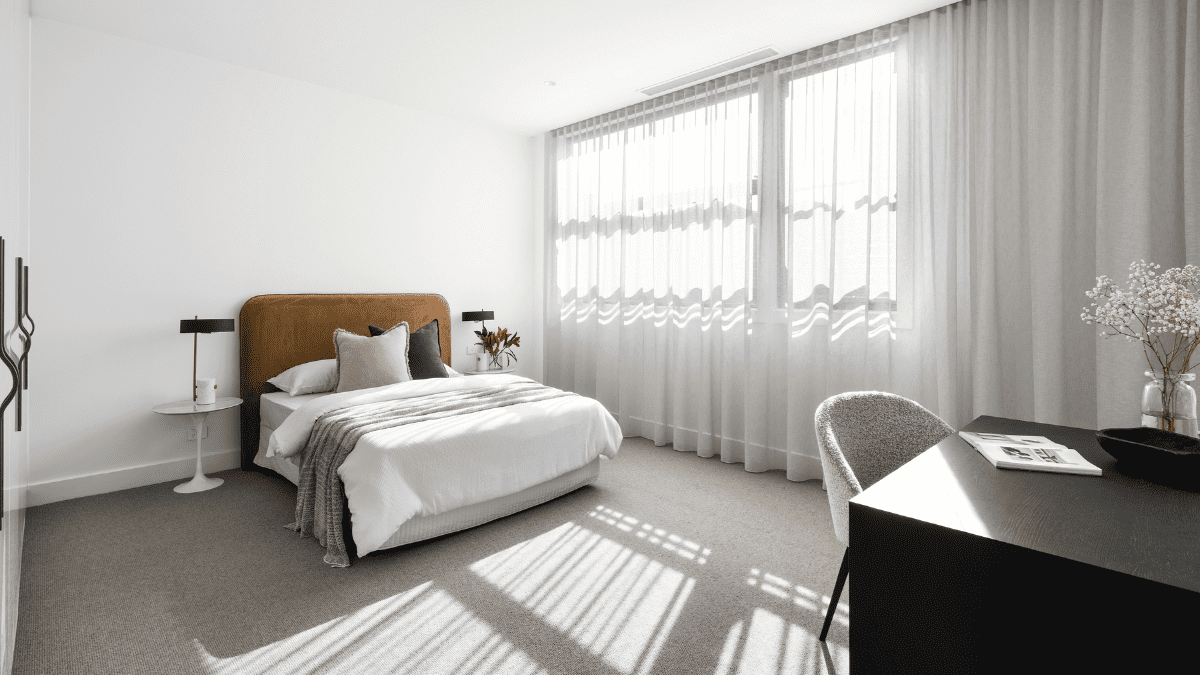
In your first consultation, expect builders to ask targeted questions designed to understand your vision for a sustainable home, your priorities for eco-innovation, and any practical constraints. These questions help frame the project to ensure everyone is working towards the same environmentally conscious outcome.
| Question | Why we ask | What this achieves |
| What are your aspirations for a sustainable home build? | To capture your vision for eco-friendly design, energy efficiency, and resource management | A clear, environmentally conscious design direction |
| What is your budget for the project, including sustainable features? | To set realistic financial boundaries for an eco-conscious build, considering long-term savings | An achievable, value-optimised project scope with sustainable investments |
| What is your desired timeline for completion, considering sustainable methods? | To align on scheduling and milestones for an efficient, green build | Efficient, realistic planning for a sustainable project |
How Builders Explore Your Vision for a Sustainable Lifestyle
Builders will discuss preferred contemporary architectural styles that integrate passive design principles, innovative layout priorities for natural light and ventilation, and lifestyle requirements such as integrated smart home systems for energy management, seamless indoor‑outdoor flow with native landscaping, or specialised wellness spaces with healthy materials.
These details reveal how your tastes and routine translate into practical, sustainable design choices, for example, whether you favour minimalist open‑plan living with high thermal mass, sustainable finishes, or bespoke smart joinery for waste reduction, so the builder can propose solutions that perfectly match your eco-conscious modern lifestyle.
Budgeting and Timelines for Your Sustainable Home Build
Budget and timing are central to every consultation, especially for a sustainable home build. Builders will inquire about your funding expectations, any flexible or fixed items in the budget (including investments in solar technology, battery storage, or sustainable materials), and ideal move‑in dates.
This information allows them to recommend an appropriate scope, highlight where value can be optimised for long-term savings and environmental benefit, and set a realistic schedule. Establishing these parameters early reduces surprises and keeps your innovative project on track.
Preparing for Your Sustainable Home Build Consultation
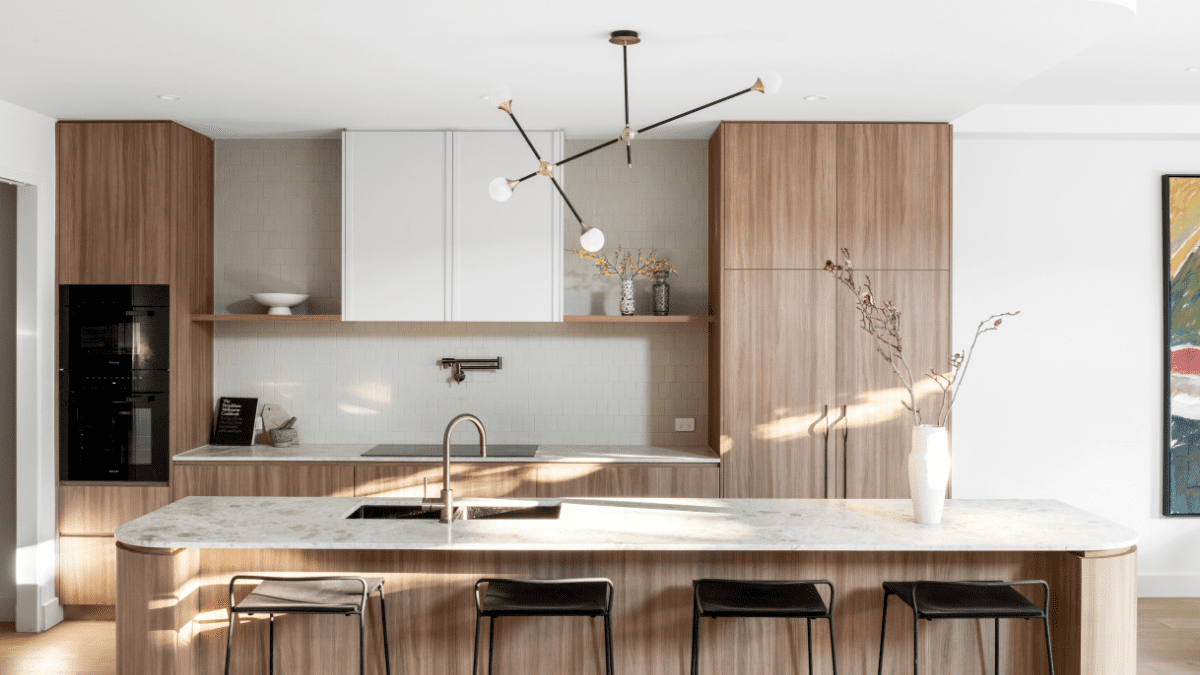
Good preparation makes a consultation for a sustainable home build far more productive. Bringing the right information helps the builder provide accurate feedback and saves time in subsequent meetings, accelerating your journey to a green home.
H3: Documents and Details to Bring for Your Sustainable Home Build Consultation
When you meet your builder, bring whatever you have that clarifies your vision for a sustainable home. Useful items include:
- Project brief: A written summary of your vision for a green home, priorities for energy efficiency, water conservation, and functional needs.
- Site information: Any surveys, title details, or existing plans for the property, noting solar orientation and prevailing winds.
- Budget expectations: A clear outline of your financial parameters, including contingencies for advanced sustainable features.
- Inspiration for sustainable designs: Examples of green homes, passive design principles, smart energy solutions, or sustainable materials you admire.
These documents enable the builder to assess feasibility and tailor their initial advice to your specific situation and sustainable aspirations.
Communicating Your Vision for Sustainable Design and Innovation
Visual references make discussions about sustainable designs more effective. Consider mood boards, photos, sketches, or links to innovative green projects you like. Be ready to identify your non‑negotiables for smart energy features or sustainable elements, and where you’re willing to compromise. Clear priorities help the builder translate your inspirations into practical design and cost decisions for your cutting-edge, eco-friendly home.
The Sustainable Home Build Process in Australia: What to Expect
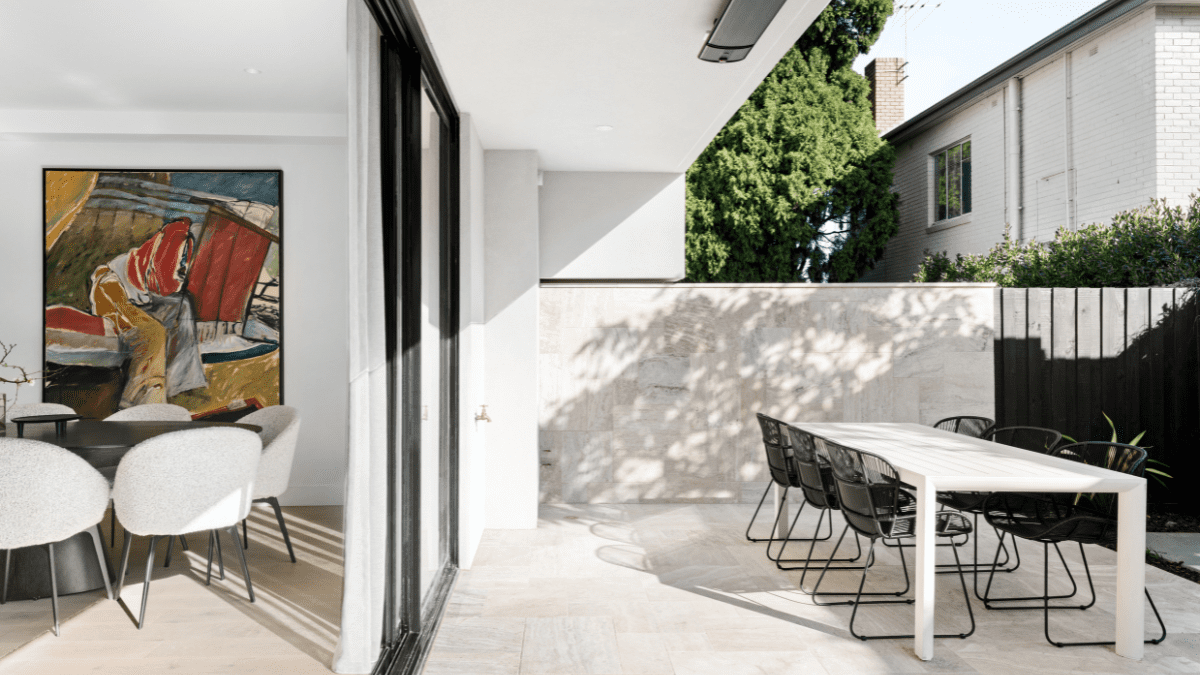
During the consultation, the builder will usually outline the standard stages of a sustainable home build, ensuring you know what to expect from initial planning through to the handover of your innovative, green residence.
Key Stages of Your Sustainable Home Build
The process typically follows these stages, with an emphasis on integrating modern sustainable elements:
- Initial design phase: Developing concept designs that incorporate passive solar principles, energy modelling, sustainable material selection, and securing necessary approvals, including planning and building permits.
- Construction phase: Site preparation with erosion control, foundation works, structural framing, and all finishings, with careful integration of smart home systems for resource management and sustainable materials through to completion.
- Final inspection and handover: Verifying quality, ensuring regulatory compliance and energy performance targets are met, and providing a comprehensive walkthrough of your finished, sustainable home, including smart system tutorials and maintenance guides for green features.
These stages provide a roadmap so you understand the major milestones and deliverables at each point in your innovative project.
Collaboration for a Sustainable Home Build: Architects, Designers, and Builders
Collaboration between builder, architect, and designer is central to delivering your vision for a sustainable luxury home. Builders will explain how they coordinate with these professionals to resolve technical details for smart energy systems, value‑engineer where appropriate for sustainable solutions, and protect the overall design intent.
Ongoing communication between all parties ensures design challenges are dealt with quickly and your innovative home is built to the agreed-upon, high standard.
Next Steps After Your Sustainable Home Build Consultation
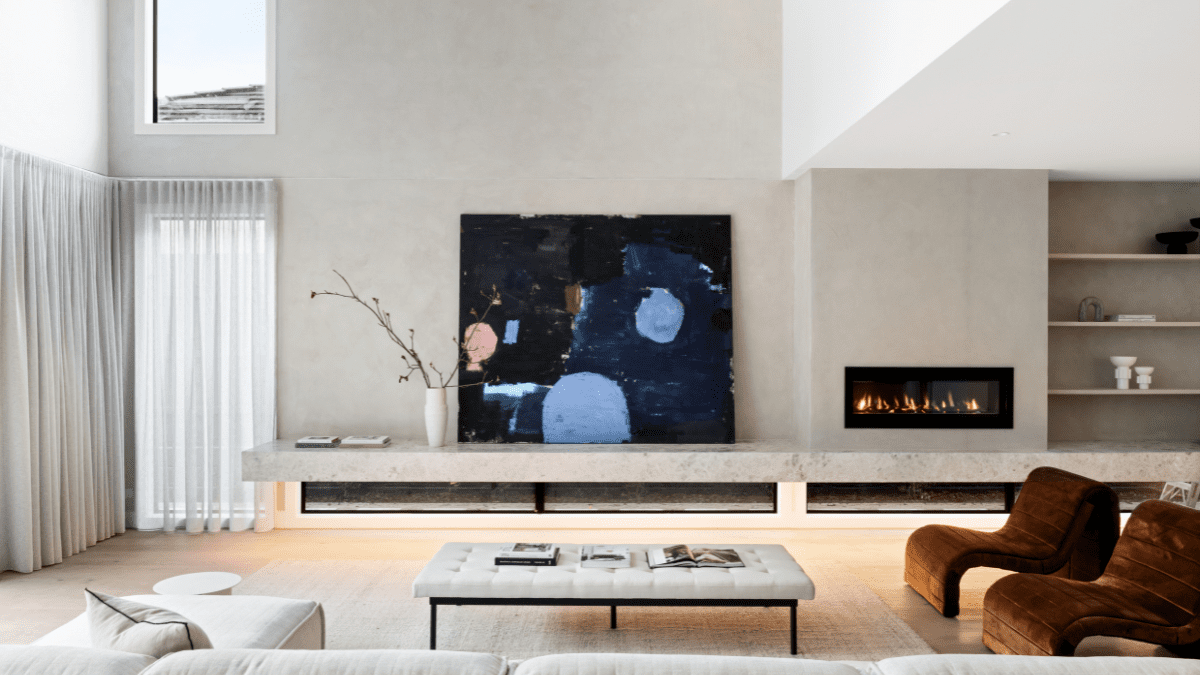
After the first meeting, there are clear next steps to move from conversation to commitment. Knowing what comes next helps you plan and keeps momentum going for your sustainable home build.
Developing a Proposal for Your Sustainable Home Build
Following the consultation, the builder will prepare a detailed proposal or tender that reflects your brief for a sustainable home. This document usually includes concept plans or sketches incorporating green features, preliminary cost estimates for sustainable technologies, and a timeline. The proposal forms the basis for formal agreements and further design development, ensuring your innovative vision is captured.
Moving Towards the Initiation of Your Sustainable Home Build
As you approach project initiation, you’ll finalise contracts, confirm budgets (including those for smart technologies and sustainable materials), and lock in key milestones. The builder will coordinate with architects, engineers, and subcontractors, ensuring all aspects of your sustainable home build are ready for a smooth start. Clear communication and decision‑making at this stage help ensure a seamless transition from planning to the construction of your cutting-edge, eco-friendly residence.
Conclusion
Your first consultation with a leading builder for a sustainable residential home build in Australia sets the tone for the entire project. It clarifies expectations for eco-innovation, builds a collaborative relationship focused on green solutions, and identifies the practical steps required to deliver your future-forward vision.
By preparing thoughtfully and communicating your priorities for a contemporary, sustainable home, you give the project the best chance of a successful outcome. When you’re ready to embrace the future of home design and contribute to a greener Australia, reach out to our experienced builders to take the next step in your sustainable home journey.