
Melbourne luxury custom homes pair considered architectural intent with high‑performance building systems to create living environments that improve everyday comfort and strengthen long‑term asset value. In this guide, we define what makes a home “luxury” in Melbourne, explain design strategies that lift lifestyle, show how specific build choices add market value, outline the bespoke build process, and describe how sustainability and smart systems are integrated into premium homes.
You’ll find practical design features, clear value drivers, and the quality‑assurance checks that protect an owner’s investment while making daily life better. We focus on evidence‑led mechanisms and why premium materials, spatial planning, and automation deliver both lifestyle gains and resale advantage. Also, we translate those mechanisms into client‑facing choices you can use when briefing a builder.
We also explain how a Melbourne‑based specialist like Striking Constructions brings process and portfolio transparency to help owners make confident decisions.
What defines a luxury home in Melbourne?
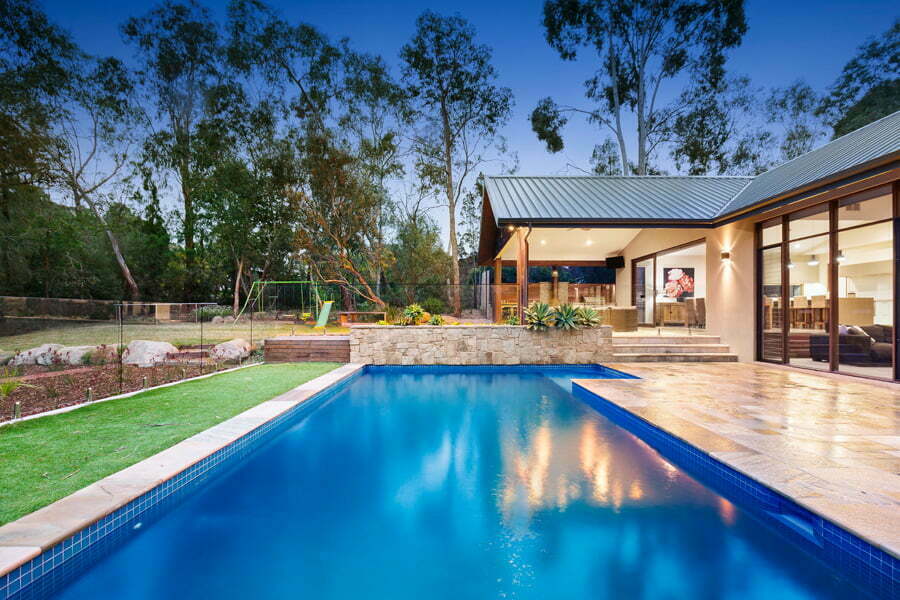
In Melbourne, a luxury home is shaped by bespoke design, high‑grade materials, site‑sensitive architecture, and well‑proportioned amenity spaces that together create superior liveability and market appeal. These elements work in concert: thoughtful orientation and thermal planning cut running costs, while meticulous joinery and finishes deliver tactile interiors that last.
The Location and contextual design that responds to Melbourne’s climate and streetscape further amplify perceived value and everyday comfort. Knowing these core attributes helps owners prioritise investments that reward both daily enjoyment and resale strength.
Which bespoke design elements elevate Melbourne luxury homes?
Bespoke spatial planning arranges circulation, sightlines, and room adjacencies around how a household actually lives, producing spaces that feel effortless and intentional. Custom joinery, considered material palettes, and signature architectural moves. For example, double‑height entries, integrated lighting coves, and concealed service zones create memorable sequences that enhance lifestyle without compromising utility.
Designers also focus on ergonomic kitchens, flexible entertaining wings, and private retreats that adapt over time, increasing long‑term usability and buyer appeal. These tailored decisions form the architectural signature that sets luxury custom homes apart from standard builds.
How do premium materials and impeccable craftsmanship improve quality?
Choosing durable materials such as engineered timber, structural glass, and refined stone adds longevity, tactile richness, and lower long‑term maintenance when they are specified and installed correctly. Craftsmanship is the force that turns good materials into lasting value: accurate joinery, tight tolerances, and consistent finishes prevent premature failures and preserve appearance.
High‑quality systems and trades reduce lifecycle replacement costs and give premium buyers confidence that the home was built to exacting standards. Together, material selection and workmanship improve daily experience and signal durability to future purchasers, strengthening resale prospects.
How do luxury home builders Melbourne enhance lifestyle through design?
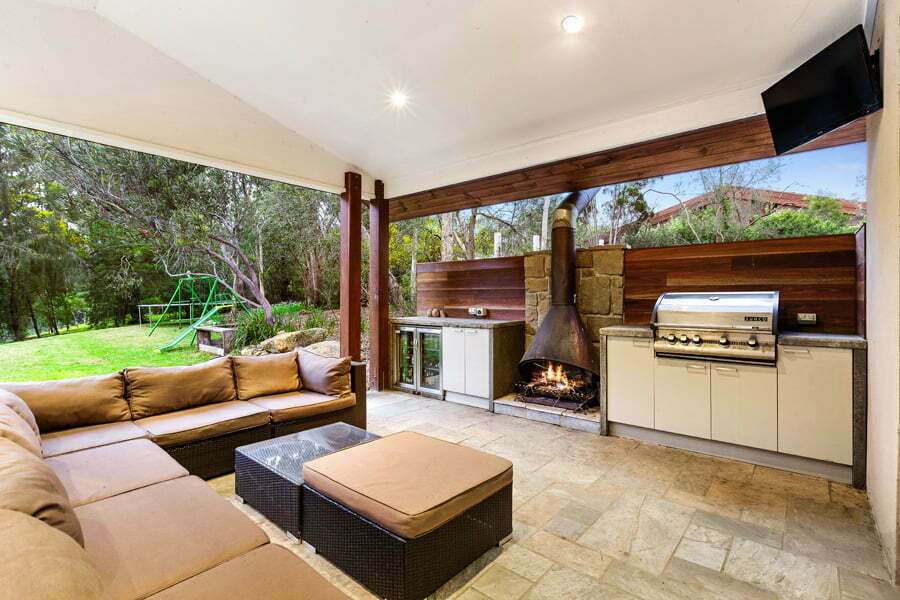
Luxury home builders Melbourne lift lifestyle through targeted design strategies that remove daily friction, support well-being, and create spaces for living and entertaining. Typical approaches include integrating smart automation for convenience and security, designing seamless indoor–outdoor connections for year‑round use, and providing bespoke amenity spaces, home gyms, theatres, and chef‑scale kitchens tailored to the owner’s priorities.
Each strategy operates through clear mechanisms: automation streamlines routines, indoor–outdoor planning expands usable living area, and purpose‑built amenities support hobbies and well-being, producing measurable improvements in time use and occupant satisfaction. The table below summarises common lifestyle features, their mechanism, and the experiential value they deliver.
Different lifestyle features provide distinct day‑to‑day benefits through predictable mechanisms.
| Feature | Mechanism | Experiential Value |
| Smart Lighting & Scenes | Automated control and presets | Saves time, enhances comfort and security |
| Indoor–Outdoor Flow | Retractable glazing and covered terraces | Expands usable space and improves entertaining |
| Bespoke Amenity Rooms | Purpose‑designed interiors | Supports hobbies, wellness and social life |
These examples show how specific design choices translate directly into easier routines and better well-being, and they form the core brief when aiming to raise lifestyle through architecture.
What smart home technologies are integrated for effortless living?
In Melbourne’s luxury market, smart systems commonly include centralised lighting, zoned climate control, whole‑home AV and integrated security accessible from a single interface. These systems reduce time spent managing the home by automating scenes and schedules, while improving comfort with responsive climate zones and energy‑aware control.
Integration prioritises open protocols and future‑proofing so systems remain serviceable for years, and a clear UX prevents complexity from undermining usability. Rigorous commissioning guarantees these technologies deliver the intended lifestyle benefits reliably over time.
Smart home technology: benefits for quality of life and value
Interconnected, intelligent home products are reshaping domestic life by automating routine tasks, enabling remote control, and improving time use. By monitoring, optimising, and automating everyday actions, smart home systems reduce wasted time, improve comfort and create new convenience. Trends reflected in growing global adoption and emerging market value. As a result, smart home capability has become an important differentiator for companies operating in this space.
Smart home: state of the art and key factors for value creation, 2019
How does seamless indoor–outdoor living improve daily comfort?
Seamless indoor–outdoor design expands usable living area and increases daylight and natural ventilation, which directly supports wellbeing and lowers dependence on mechanical systems. Effective responses include large sliding or folding doors, covered terraces that work in changeable weather, and cross‑ventilation strategies informed by Melbourne’s seasonal winds and sun paths.
These moves create flexible entertaining zones and private outdoor retreats while improving thermal comfort and daylight distribution. Attention to finishes, shading, and drainage ensures the extended envelope performs year‑round without adding maintenance headaches.
After outlining design‑driven lifestyle benefits, it’s useful to see how a local specialist applies these solutions. At Striking Constructions Pty Ltd, a Melbourne builder specialising in expansive architectural and luxury residential projects, we combine artistry with technical rigour to deliver lifestyle‑led outcomes.
Our approach focuses on clear briefs, integrated systems, and premium materials to achieve indoor–outdoor flow and advanced automation tailored to household routines. Prospective clients review portfolios and process summaries to see how these strategies translate into finished homes and the everyday owner experience.
In what ways do luxury homes increase property value in Melbourne?
Luxury homes raise property value through architectural distinction, long‑lasting materials and systems, and features that broaden appeal among premium buyers. Strong design creates scarcity and preference, while robust materials and systems lower lifecycle costs and reduce resale risk.
Sustainability measures and smart technology further differentiate a property by cutting operating costs and appealing to environmentally and technically minded buyers. Together, these mechanisms boost both price potential and resilience in Melbourne’s premium housing market.
Which architectural features drive long‑term property appreciation?
Timeless design language, well‑proportioned rooms, considered orientation, and adaptable floorplates are features buyers reward with premium pricing. Attributes such as generous ceiling heights, clear sightlines to outdoor spaces, and durable external finishes enhance kerb appeal and perceived quality.
Design adaptability spaces that can be repurposed as needs change widens marketability across buyer profiles and reduces future renovation risk. These architectural choices act as long‑term value drivers by combining aesthetics, function, and durability.
What are the financial benefits of custom luxury home builds?
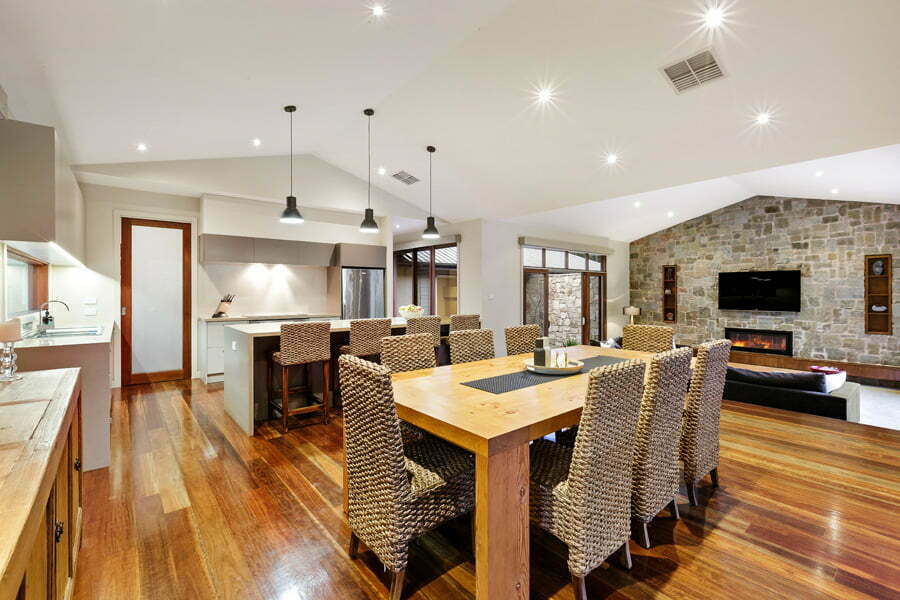
Custom luxury builds can command resale premiums by offering a differentiated product compared with mass‑market stock, attracting buyers willing to pay for quality and uniqueness. Long‑term financial benefits include lower maintenance and replacement costs due to durable materials and often faster sales in premium segments where design and finish quality matter most.
Owners should view a bespoke luxury build as a blended investment: measurable resale upside plus high personal utility that often outweighs short‑term returns. Understanding how buyers value architecture and systems helps owners direct budgets to the choices that deliver the greatest market impact.
Different architectural investments influence value through distinct buyer‑facing attributes.
| Architectural Element | Buyer‑Facing Attribute | Market Impact |
| Timeless façade and detailing | Perceived longevity and style | Higher buyer confidence |
| High‑performance envelope | Lower operating costs and improved comfort | Broader buyer appeal |
| Flexible floor plan | Adaptability for future owners | Reduced time on market |
This comparison highlights which architectural moves most consistently convert into market advantage and helps prioritise investment decisions.
What is the bespoke building process used by Melbourne’s luxury builders?
The bespoke luxury build follows a clear sequence: briefing and feasibility, design development, statutory approvals, detailed documentation and construction, then commissioning and handover. Each phase includes checkpoints for client decisions, cost reviews, and quality assurance to keep the project aligned with its objectives.
A well‑designed process reduces surprises by exposing buildability and compliance issues early, and a thorough commissioning stage verifies systems and finishes before practical completion. Knowing these stages helps owners plan decision timing, financial staging, and engagement with consultants and trades.
- Initial consultation and brief to map lifestyle priorities, budget, and site constraints.
- Design development schematic to detailed design with client workshops.
- Approvals and documentation were prepared for compliance and contractor pricing.
- Construction with staged inspections, quality checks, and contractor coordination.
- Commissioning, snagging, and handover with documentation and operating instructions.
The numbered process outlines typical milestones and decision points, giving owners a straightforward roadmap when considering a bespoke luxury build and preparing them for the collaborative journey ahead.
How does client collaboration shape custom luxury homes?
Client collaboration is central to a bespoke outcome: it translates daily routines and priorities into spatial decisions, material choices, and systems specifications. Regular workshops, design reviews, and material sampling sessions keep the project aligned and reduce late‑stage changes that add cost and delay.
Clear documentation and agreed decision schedules create accountability and help trades deliver consistent finishes, while iterative feedback lets the design evolve without losing coherence. Setting communication protocols at the outset makes collaboration efficient and ensures the finished home reflects the owner’s lifestyle objectives.
What quality assurance measures ensure superior construction?
Quality assurance on luxury projects includes detailed material inspections, continuous site supervision by experienced managers, staged third‑party testing where needed, and formal commissioning of mechanical and electrical systems. These measures confirm workmanship meets the specifications that underpin durability and performance and that defects are identified and resolved before handover.
Warranties, maintenance manuals, and comprehensive handover records complete the assurance package that protects both owners and future buyers. A strong QA system ties procurement choices to on‑site verification, closing the gap between design intent and delivered quality.
To illustrate a high‑level bespoke approach, Striking Constructions describes its process succinctly: a focus on thorough briefing, coordinated design, and pragmatic construction sequencing that protects design intent while managing build risk. Our model emphasises staged client approvals, specialist coordination for premium materials, and commissioning checks for integrated systems to ensure the home performs as designed. This transparent approach builds client confidence while preserving the independent design and fabrication decisions owners must make.
How are sustainable and smart luxury homes designed in Melbourne?
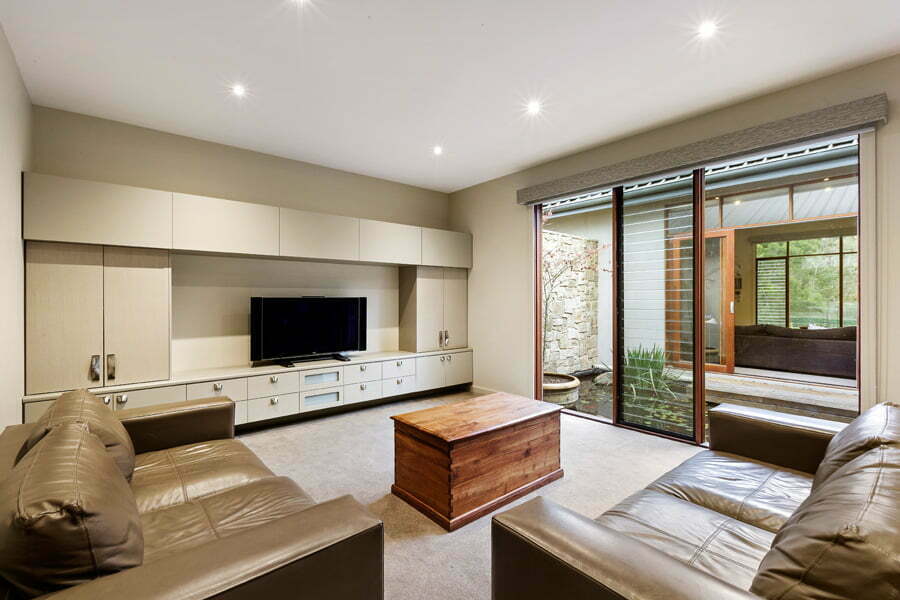
Sustainable, smart luxury homes combine passive design, a high‑performance envelope, and integrated renewable and automation systems to deliver comfort, resilience, and lower operating costs. Passive measures reduce heating and cooling demand; upgraded glazing, insulation, and thermal mass stabilise indoor conditions.
Smart systems, energy monitoring, automated shading, and load management optimise consumption and integrate with on‑site renewables, improving both the environmental and economic performance of the home. Blending sustainability with premium finishes requires lifecycle thinking, so refined aesthetics coexist with lower environmental impact.
Design features for sustainable high‑end residences
Research highlights the value of sustainable design methodologies in high‑end residences. Passive strategies can reduce reliance on active systems, improve resilience to extreme weather, and create healthier, more energy‑efficient homes. These findings are useful to architects, interior designers, and developers aiming to deliver resilient, sustainable luxury homes that meet the expectations of discerning clients.
Applicability of Architectural Design Features in Contemporary Luxury Houses, MWH Jyi, 2023
Sustainable measures differ in upfront cost and lifecycle benefit; owners should evaluate interventions by likely operational savings and longer‑term value rather than initial price alone.
| Measure | Characteristic | Likely Value |
| Solar PV + battery readiness | On‑site generation and storage | Reduced grid reliance and lower operating costs |
| High‑performance glazing | Improved thermal control | Greater comfort and reduced HVAC demand |
| Low‑embodied‑carbon finishes | Material selection strategy | Enhanced sustainability credentials |
This table helps owners weigh options by mechanism and long‑term benefit rather than upfront cost alone, guiding smarter specification decisions in luxury builds.
What sustainable building practices are used in luxury home construction?
Luxury builds commonly use passive solar orientation, high levels of insulation, thermal mass strategies, and advanced glazing to cut operational energy and improve comfort. Durable, low‑maintenance materials with lower embodied carbon are specified where possible to align aesthetics and environmental goals.
Water‑sensitive landscaping, efficient fixtures, and rainwater capture reduce mains demand, especially on properties with extensive outdoor amenities. Together, these practices reduce lifecycle costs and create homes that perform well for owners and future buyers.
How does smart home automation enhance luxury living?
Smart automation coordinates lighting, shading, HVAC, and energy systems to follow occupant patterns and optimise efficiency without constant manual input. Automation scenes, wake, away, entertain, simplify daily routines, and deliver consistent comfort.
Energy‑optimisation schedules reduce peak consumption and can prioritise renewable generation, while integrated security systems improve peace of mind. Future-proofing through modular, open‑standard platforms keeps the home serviceable and attractive to tech‑savvy buyers.
Why choose Striking Constructions for luxury custom homes in Melbourne?
At Striking Constructions, we specialise in expansive architectural and luxury residential projects that blend artistry, innovation, and refined delivery. Our value lies in premium material selection, meticulous craftsmanship, and expert coordination across specialist trades to protect design intent and performance.
We publish clear portfolios and explain our process so prospective clients can assess past outcomes and understand the project journey before committing. For owners seeking a builder who pairs bold design with accountable construction management, our clarity and attention to detail support confident decisions.
What unique value propositions set Striking Constructions apart?
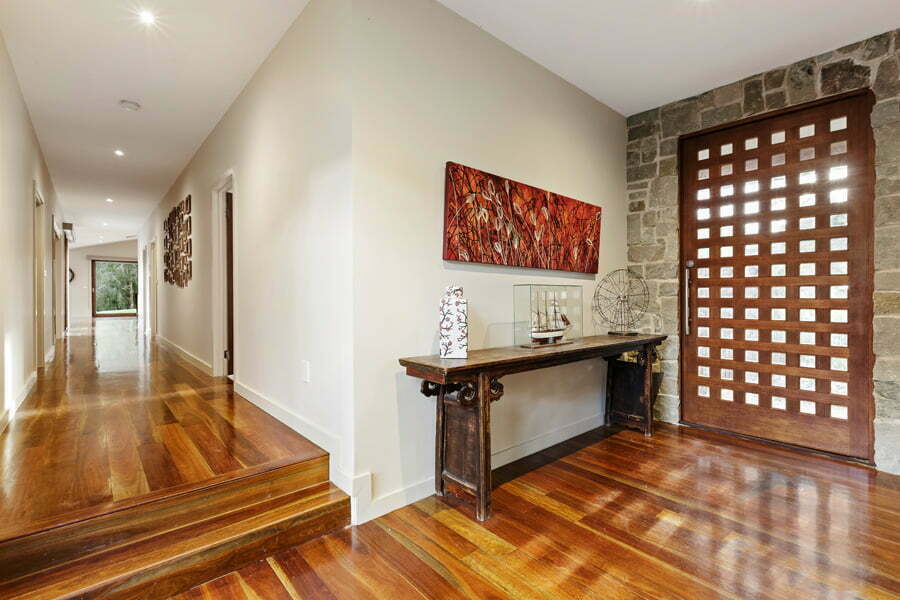
We combine creative architectural collaboration with disciplined technical delivery, specialising in high‑end residential projects where design complexity and premium materials require careful coordination. Our commitment to premium materials and craftsmanship secures both lifestyle quality and asset durability.
We use staged reviews, specialist subcontractor coordination, and commissioning checks to reduce risk and keep the project aligned with client priorities. The result: homes that are distinctive, dependable, and built to perform in market terms.
How do client testimonials and project portfolios reflect excellence?
Curated project portfolios and considered client feedback demonstrate delivery and client experience without replacing independent due diligence. Good portfolios include measurable outcomes, sharp imagery, and concise captions that explain design intent and results. Case studies with metrics such as energy performance improvements, durability notes, or market reception help prospective clients understand the tangible benefits of premium choices.
Structuring testimonials for clarity and pairing them with photographic documentation and process notes builds trust and aids discovery. Together, well‑presented portfolios and validated client commentary are central to deciding on a luxury custom home builder.
We invite prospective clients to request a consultation to explore how bespoke design, premium materials, and integrated systems can be aligned to deliver both lifestyle improvements and lasting property value. Our approach combines a focused creative brief with disciplined delivery mechanisms to translate architectural vision into a high‑performing home.
- Request a consultation to map lifestyle priorities and site constraints.
- Review portfolio examples to assess design and finish alignment.
- Agree on a staged process that clarifies decisions, cost controls, and QA touchpoints.
Conclusion
Building a luxury custom home in Melbourne enhances everyday living and strengthens long‑term property value. By prioritising bespoke design, premium materials, and smart systems, you create a home that performs beautifully and holds its worth.
Working with a trusted builder like Striking Constructions ensures your vision is realised with care, precision, and transparent delivery. When you’re ready, request a consultation, and let’s start turning your brief into a high‑performing home.