
Wellness has shifted from a private pursuit to a core requirement in luxury residential design. As more homeowners prioritise well‑being, bespoke high‑end residences increasingly integrate wellness principles. This article outlines key wellness‑architecture strategies, the benefits, guiding principles, and how sustainable materials and smart technologies create healthier, more refined living environments.

What Defines Wellness Architecture in Custom Luxury Homes?
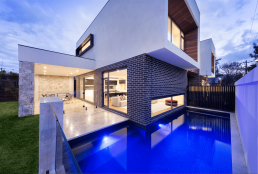
Wellness architecture applies design choices that prioritise health, comfort, and sustainability. It combines generous daylighting, improved ventilation and indoor air quality, and biophilic connections to support physical and mental wellbeing. Bespoke detailing and low‑emission material specification, alongside advanced climate control and efficient air purification, establish wellness as an essential dimension of luxury.
Which Core Principles Shape Wellness-Focused Home Design?
Wellness‑focused design relies on a concise set of strategies that, when applied rigorously, produce measurably healthier interiors.
- Sustainable Design Approaches: Use eco‑friendly materials and energy‑efficient systems to lower environmental impact.
- Passive Design Strategies: Employ natural ventilation and daylighting to improve air quality and cut artificial lighting needs.
- Attention to Detail in Design: Specify high‑quality materials and finishes to create a harmonious, restorative atmosphere.
Together, these principles help cultivate calm, restorative spaces for occupants.
How Does Wellness Architecture Enhance Health and Comfort?
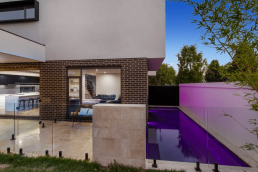
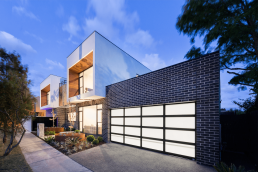
Wellness architecture enhances health and comfort by creating interiors that support rest, focus, and daily renewal. Personalised layouts let homeowners tailor spaces to needs; low‑emission materials reduce contaminants; and ample daylighting with controlled ventilation boosts mood and cognitive performance. Combined, these measures convert a luxury residence into a health‑centred sanctuary.
How Do Sustainable and Healthy Building Materials Elevate Luxury Homes?
Sustainable, low‑emission materials reduce occupant exposure to harmful chemicals, create more resilient indoor environments, and deliver lasting durability that preserves asset value. In an eco‑aware market, these specifications also support resale appeal without sacrificing aesthetic refinement.
Research further underscores the decisive role of material selection across structural performance, aesthetic outcome, and human health.

What Are the Benefits of Using Sustainable Materials in High-End Homes?
Specifying sustainable materials in high‑end homes delivers clear benefits:
- Health Benefits: Fewer toxins improve indoor air quality and reduce health risks.
- Energy Efficiency: Many sustainable options enhance insulation and efficiency, lowering utility costs.
- Aesthetic Appeal: Sustainable finishes offer distinctive textures and long‑lasting elegance.
These advantages make sustainable specification an increasingly preferred choice for discerning homeowners.
Which Healthy Building Materials Are Preferred in Wellness Luxury Construction?
Wellness‑driven luxury projects prefer materials that combine sustainability with refined aesthetics:
- Recycled Glass Countertops: Visually striking, reduce waste, and support circular design.
- Bamboo Flooring: Renewable, durable, and suited to high‑end finishes.
- Smart Home Technology: Enhances functionality and efficiency, contributing to wellbeing.
These choices reflect a commitment to occupant health and long‑term sustainability.

What Smart Home Wellness Technologies Define the Future of Luxury Living?
Smart wellness systems give precise environmental control that improves comfort and health. Core systems include:
- Smart Lighting and Scenes: Automated lighting adjusts to daylight to support circadian rhythms and mood.
- Zoned Climate Control: Personalised temperature zones keep different areas optimally comfortable.
- Energy Monitoring Systems: Track usage to improve efficiency and reduce waste.
Thoughtful integration of these systems creates a seamless blend of comfort, wellness, and performance.
How Do Smart Air Quality Systems Improve Indoor Wellness?
Smart air quality systems are central to indoor wellbeing. They continuously monitor pollutants and allergens and adjust ventilation and filtration to maintain healthy air. Key features include:
- Air Quality Sensors: Deliver real‑time indoor air metrics to inform decisions.
- Automated Ventilation Controls: Circulate fresh air to prevent pollutant buildup.
- Air Purification Systems: Advanced filters remove particles to support occupant health.
Deploying such systems is fundamental to sustaining a healthy residential environment.


Which Smart Features Enhance Comfort and Sustainability in Custom Homes?
A compact suite of integrated smart features can improve comfort while cutting operational energy demand in custom homes:
- Centralised Control Systems: Manage lighting, climate, and security from a single interface.
- Automated Climate Control: Thermostats learn preferences and optimise energy use.
- Smart Lighting: Programs adapt to occupancy and daylight to save energy.
Together, these features elevate daily living and improve operational efficiency.
Why Is Biophilic Design Integral to Wellness in High-End Custom Homes?
Biophilic design restores a meaningful connection to nature in high‑end homes. Thoughtful use of plants, water, and authentic materials creates calming, restorative spaces that are resilient and supportive of wellbeing. Key benefits include:
- Natural Ventilation: Promotes airflow to improve comfort and air quality.
- Daylighting Benefits: Maximises natural light to boost mood and reduce artificial lighting.
- Use of Natural Materials: Wood and stone foster a tangible connection to the outdoors.
Applied with technical rigour, biophilic principles help luxury homes support tranquillity and wellbeing.


How Does Biophilic Design Improve Indoor Air Quality and Natural Lighting?
Biophilic design prioritises large openings, open planning, and selective plant use to increase daylight and enhance air quality. These interventions can filter pollutants, regulate humidity, and reduce reliance on artificial systems, yielding spaces that are both visually rich and health‑supportive.
What Are the Key Applications of Biophilic Elements in Luxury Home Design?
Key applications include:
- Indoor Plants: Strategically placed plants improve air and create calm.
- Connection to Nature: Large windows and outdoor living areas strengthen the relationship to the landscape.
- Designing for Views: Orient spaces to capture scenic views and enhance the living experience.
These interventions convert luxury homes into restorative, health‑forward environments.
Conclusion
Integrating wellness principles into luxury home design refines aesthetics while materially improving occupant health and comfort. Disciplined material specification and intelligent systems integration enable environments that promote wellbeing and serenity. Consider these strategies an investment in long‑term quality of life and the enduring value of your residence.