
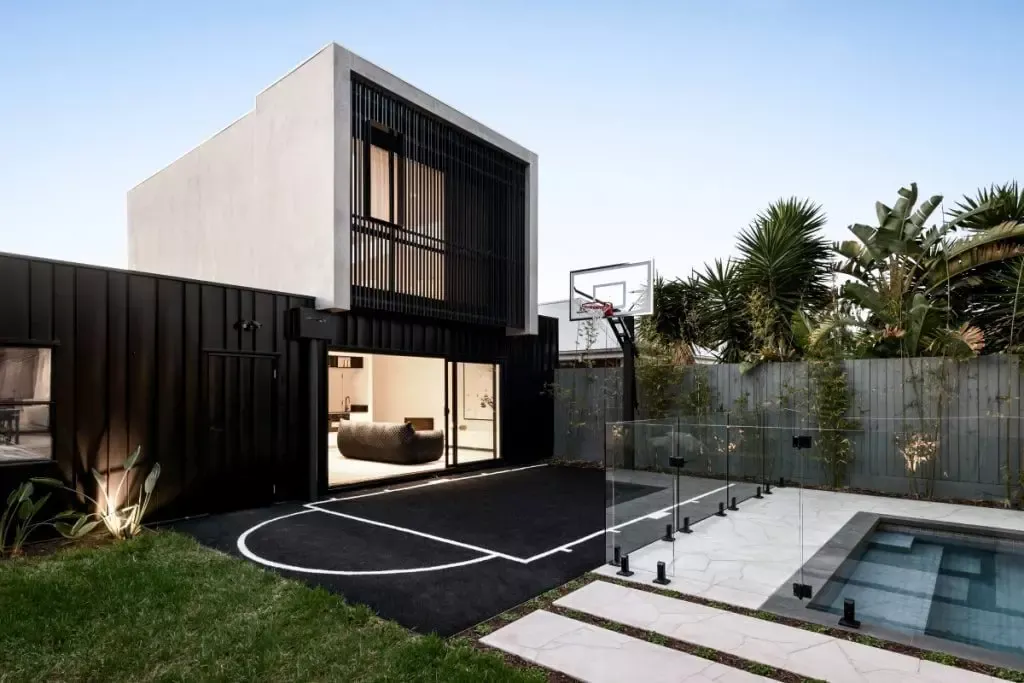
Choosing between a pre-designed home and a luxury custom-built home in Melbourne is a decision about lifestyle, long-term value, and how a home responds to its site and climate. This article explains why an increasing number of homeowners prefer custom home builders in Melbourne, highlighting personalisation, architectural integrity, premium materials, energy efficiency, and resale upside.
Homeowners will learn how tailored architectural design improves daily living, why craftsmanship materially affects durability and marketability, how sustainable features reduce operating costs, and what to expect from the custom building process from concept to handover. The guide maps direct comparisons with pre-designed or volume builders, practical checklists for materials and quality control, EAV-style decision tables for trade-offs, and process timelines to clarify expectations.
What Are the Key Advantages of Choosing Custom Home Builders Melbourne?
Custom home building delivers homeowners precise alignment between architectural intent and daily use by enabling site-responsive design, high-quality workmanship, and material selection that together enhance comfort, durability, and long-term value. The mechanism is simple: design choices tailored to the lot, climate, and household routines reduce wasted space, increase energy performance, and create desirable features that attract buyers later.
Primary advantages include personalisation, superior craftsmanship, access to premium materials, integrated energy-efficiency strategies, and stronger resale potential each contributing to a measurable difference in life quality and ownership cost. Understanding these advantages helps homeowners prioritise decisions that matter most during planning and construction.
The key advantages can be grouped and summarised as follows:
- Personalised layout and finishes that match lifestyle and function.
- Craftsmanship and quality control that reduce defects and maintenance.
- Premium material selection that extends lifespan and aesthetic value.
- Passive and active energy strategies that cut running costs.
- Site-specific solutions that optimise outlook, light, and privacy.
These benefits make custom builds particularly attractive for owners who value longevity and distinctive architecture, and they naturally lead into how personalisation works at the design level.
How Does Personalised Architectural Design Enhance Your Home?
Personalised architectural design tailors spatial planning, orientation, and finish choices to a household’s routines and the lot’s constraints, producing homes where circulation, daylight, and acoustics are intentionally resolved. By aligning room placement with solar orientation and prevailing breezes common to Melbourne suburbs, a bespoke design improves natural comfort and reduces reliance on mechanical heating and cooling.
Functionally, custom layouts deliver storage solutions, dedicated work or multi-generational zones, and bespoke kitchen and entertaining flows that pre-designed plans rarely accommodate. The outcome is a residence that supports daily life efficiently while delivering a distinctive aesthetic character that resonates with the owner’s identity and future buyers.
This emphasis on site and lifestyle dovetails into craftsmanship, because exceptional design requires equally exceptional execution to realise the intended performance and finish.
Why Is Impeccable Craftsmanship Important in Custom Homes?
Impeccable craftsmanship ensures that design intent translates into built quality: joinery fits precisely, structural details perform as engineered, and finishes retain their appearance and function over time. Skilled trades reduce the likelihood of defects that cause costly remedial works and accelerate depreciation, so craftsmanship directly influences lifecycle costs and owner satisfaction.
High standards in structural detailing and skilled finishing also create the premium tactile and visual experience buyers expect in the luxury market. Maintaining these standards requires rigorous quality control during construction, which is explored later in the process section.
Strong workmanship also allows premium materials to perform as intended, which leads to careful selection and procurement of those materials.
How Do Premium Materials Impact the Longevity and Value of Your Home?
Choosing premium materials such as natural stone cladding, engineered hardwood, and high-performance glazing affects durability, maintenance profiles, and perceived market value across a home’s lifecycle. Better materials often have longer warranty terms, superior weather resistance in Melbourne’s variable coastal and inland climates, and retain finishes that appeal to luxury buyers.
When combined with skilled installation, premium materials reduce long-term repair cycles and support higher resale premiums compared with standard-grade finishes. Evaluating cost-to-benefit and lifecycle outcomes helps homeowners allocate budget where materials will deliver the greatest return.
Recognising the role of materials points naturally to energy-efficiency strategies that compound both comfort and value benefits.
What Role Does Energy Efficiency Play in Custom Home Construction?
Energy efficiency in custom homes starts with passive design orientation, insulation, glazing, and massing and is amplified by efficient HVAC systems, smart controls, and renewables where appropriate. The mechanism is cumulative: passive measures reduce heating and cooling loads, enabling smaller, more efficient mechanical systems and lower operating costs.
In practice, energy-efficient choices can reduce annual utility bills significantly and improve occupant comfort year-round, while sustainable credentials increasingly influence luxury buyers. Implementing these measures during design and construction also avoids expensive retrofits later and contributes to measurable lifecycle savings.
Improved energy performance and premium finishes together enhance resale prospects, which is discussed next.
How Does Custom Home Building Maximise Resale Value?
Custom homes maximise resale value by combining unique architectural features, superior finishes, and demonstrable performance advantages such as energy efficiency and low maintenance, that appeal to discerning buyers. Scarcity of well-executed bespoke features in a market dominated by volume-built stock creates a premium for thoughtfully designed homes that respond to site and lifestyle.
Buyers also pay for certainty: when quality control and warranties are documented, perceived risk declines and saleability increases. Summarily, bespoke design and construction create distinct market differentiation that can translate into measurable resale uplift when positioned to the right buyer segment.
To see how these homeowner advantages compare to conventional approaches, the next section presents a concise objective comparison.
For those seeking high-value leads and conversions in the luxury market: To attract and convert high-value clients for luxury residential and commercial construction projects by showcasing expertise, quality, and successful past projects, leading to enquiries and consultations.
How Do Custom Home Builders in Melbourne Differ from Pre-Designed or Volume Builders?
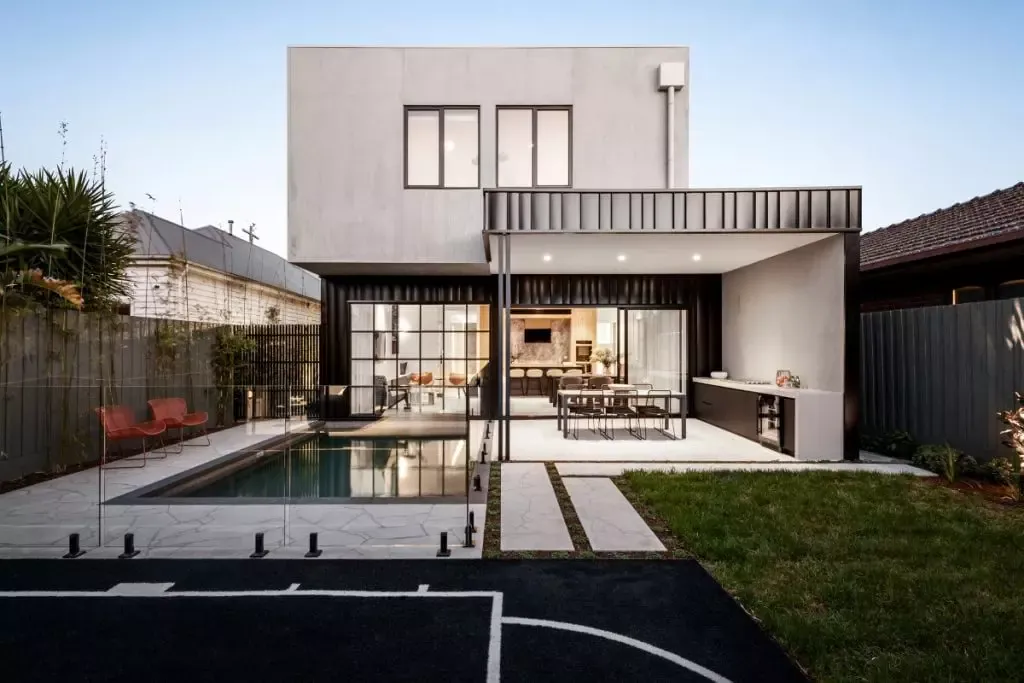
Custom builders differ from pre-designed or volume builders primarily in design flexibility, material sourcing, craftsmanship standards, cost structure, timeline, and client collaboration. The defining mechanism is customisation: custom builders adjust architecture to site, client needs, and aspirational finishes, while volume builders prioritise repeatable plans and economies of scale.
Resulting differences affect lifecycle performance, aesthetic uniqueness, and long-term value. Below is a compact comparison to illustrate the most relevant contrasts for homeowners making this choice.
- Custom: Tailored plans, bespoke materials, frequent owner collaboration.
- Pre-Designed: Fixed plans, standardised materials, limited customisation.
- Volume: Economy-driven, short production timelines, lower material variability.
This comparison makes clear why clients who prioritise individuality and long-term performance tend to choose custom builders. The next table provides a side-by-side EAV comparison of key attributes.
| Feature | Custom Home Builders | Pre-Designed / Volume Builders |
|---|---|---|
| Design Flexibility | Fully site- and client-tailored | Limited; set plans with minor options |
| Material Quality | Bespoke sourcing; premium options | Standardised, cost-led selections |
| Timeline | Longer; includes design & approvals | Shorter build cycles for standardised plans |
| Cost Profile | Higher upfront, value-focused allocation | Lower upfront; limited scope for upgrades |
| Resale Value | Often higher due to uniqueness & quality | Typically average; dependent on market trends |
This table clarifies the trade-offs homeowners should evaluate when choosing their path and leads to cost and collaboration differences that influence decision-making.
What Design Flexibility Do Custom Builders Offer Compared to Volume Builders?
Custom builders offer virtually unrestricted layout, façade, and materials choices, enabling solutions such as split-level plans, bespoke external cladding, and integrations like indoor–outdoor living tailored to a site’s slope or view. This flexibility allows homeowners to prioritise features that serve long-term needs uncommon in volume-built homes, where floor plans and facades are templated.
The result is a home that physically reflects occupant routines and future-proofing goals like adaptable zones for aging-in-place or home working. Clients should weigh this flexibility against schedule and budget implications during the design brief stage.
Design flexibility ties directly to material and build quality differences covered next.
How Do Build Quality and Materials Compare Between Custom and Pre-Designed Homes?
Build quality in custom homes is typically higher due to bespoke procurement, closer trade partnerships, and more rigorous site supervision that keep workmanship aligned with the design brief. Custom projects frequently use premium systems, higher-grade glazing, enhanced thermal insulation, and durable external cladding that exceed the baseline of many pre-designed offerings.
Homeowners can verify quality through supplier warranties, material data sheets, and staged inspection records. This higher quality usually reduces maintenance costs and preserves aesthetics longer than mass-market alternatives.
Quality differences influence cost, which brings us to the expense question.
Are Custom Homes More Expensive Than Pre-Designed Homes in Melbourne?
Custom homes are generally more expensive upfront because of tailored design work, bespoke materials, and the labor intensity of high-end finishes, yet the expense is often a deliberate allocation of value rather than pure waste. Key cost drivers include complex site works, premium material selection, and time for detailed finishing trades.
Conversely, pre-designed models save on design fees and benefit from bulk procurement efficiencies. Evaluating total cost should include life cycle economics, lower running costs, and reduced near-term renovations often make bespoke building a sound long-term investment for many owners.
Understanding timelines helps manage expectations and mitigate schedule-related cost risk.
What Is the Typical Timeline Difference Between Custom and Volume Builds?
Custom builds typically require longer lead times due to extended design development, engineering, planning approvals, and bespoke procurement phases that precede physical construction, whereas volume builds move faster because plans are pre-approved and procurement is standardised.
A typical custom timeline includes several months for design and approvals, followed by a construction period that varies with complexity; effective project management can mitigate overruns. Clear scheduling, an early approvals strategy, and supplier coordination shorten delays and create clearer handover windows. Homeowners should plan for a greater time investment initially in exchange for a tailored outcome.
Effective client collaboration practices make these longer timelines manageable and more transparent.
How Does Client Collaboration Differ in Custom Home Building?
Client collaboration in custom building is ongoing and deep: homeowners participate in design reviews, material selections, milestone sign-offs, and periodic site meetings. This collaborative workflow ensures the final home aligns with the brief and reduces costly late changes by catching issues early in the design and documentation stages.
Best-practice collaboration includes a documented decision calendar, regular progress reporting, and transparent change-order mechanisms. Knowing what decisions are required and when helps owners stay engaged without becoming overloaded by operational details.
The next major theme explores why tailored architectural design is particularly meaningful to Melbourne homeowners.
Why Is Personalised Architectural Design a Priority for Melbourne Homeowners?
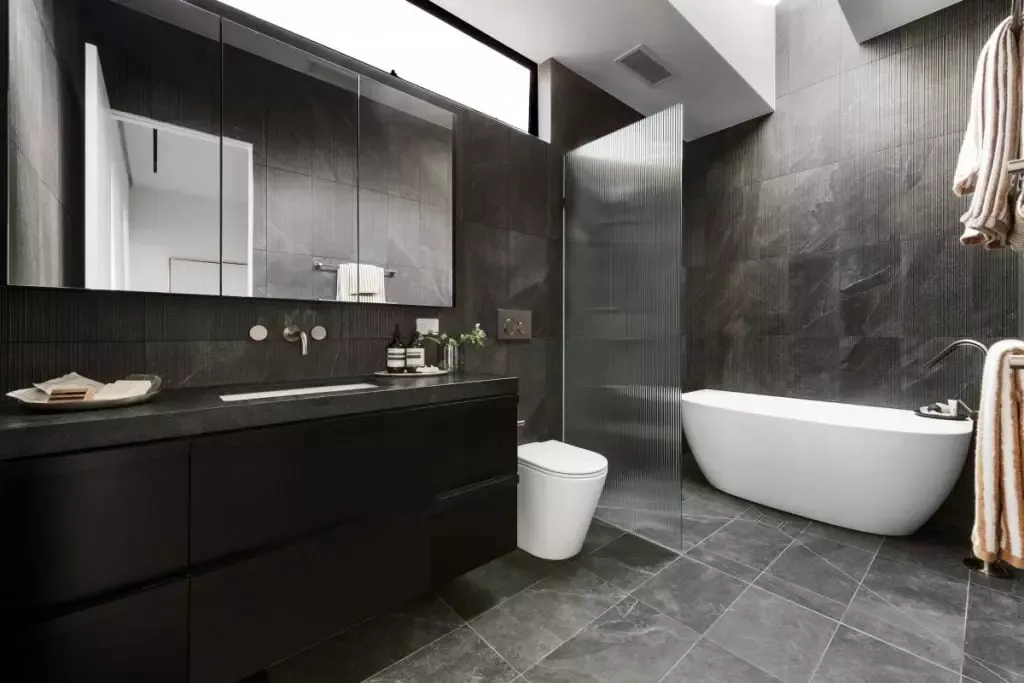
Personalised architectural design responds to Melbourne’s diverse lot typologies, climate variability, and an owner market that values bespoke urban and suburban living solutions. The mechanism is site-specific optimisation: orientation, façade response, and spatial sequencing that suit Melbourne’s light, wind patterns, and neighbouring context. Personalisation also reflects lifestyle trends, home working, flexible living spaces, and indoor–outdoor integration that shape modern luxury expectations.
As owners increasingly demand homes that support both daily function and long-term adaptability, architects and builders who specialise in tailored design meet those expectations more effectively than off-the-shelf options.
Local context and trends will determine how personalisation is prioritised during briefing and design.
How Does Tailored Design Reflect Your Lifestyle and Preferences?
Tailored design captures routines and preferences, zoning for entertaining versus quiet family areas, dedicated home offices, bespoke storage, and accessibility features, creating a home that fits daily life rather than forcing adaptation. Designers translate lifestyle needs into spatial adjacencies, circulation paths, and finish palettes that strengthen both function and identity.
Owners who plan for lifecycle changes (growing family, ageing-in-place) benefit from adaptable elements embedded during design. This homeowner-first orientation enhances satisfaction and reduces the need for disruptive renovations.
Those site-driven choices are the next consideration for performance and comfort.
What Are the Benefits of Site-Specific Custom Home Designs?
Site-specific designs maximise natural light, improve cross-ventilation, and place living areas to capture views while protecting privacy advantages that reduce mechanical loads and enhance occupant well-being. Responding to topography through split-level plans or retaining strategies can minimise earthworks while achieving dramatic spatial outcomes.
Thoughtful orientation and window placement harness solar gains in winter and shading in summer, directly improving energy performance. These outcomes are difficult to replicate in pre-designed packages that ignore site nuance.
Incorporating current architectural trends while retaining timelessness is the final design consideration.
How Do Custom Designs Incorporate the Latest Architectural Trends in Melbourne?
Custom designs can weave contemporary trends such as strong indoor–outdoor connections, generous natural materials, integrated smart-home systems, and passive design strategies into a cohesive, site-responsive composition. Because the entire project is coordinated from the outset, technologies and finishes are integrated discreetly, preserving aesthetics while delivering modern convenience.
Importantly, bespoke projects can blend trend-driven features with timeless proportions and materiality to avoid rapid obsolescence. This balance sustains both lifestyle relevance and resale desirability.
Next, we explore the essential relationship between craftsmanship and premium materials in luxury custom homes.
What Makes Impeccable Craftsmanship and Premium Materials Essential in Luxury Custom Homes?

Impeccable craftsmanship and premium materials are essential because they ensure performance, aesthetic integrity, and longevity of the pillars of luxury construction that justify premium pricing and protect investment. The mechanism is straightforward: superior trades, vetted suppliers, and structured quality control convert design intent into durable outcomes that resist accelerated wear.
Premium materials also interact with skilled installation to deliver expected performance, while poor installation can negate a material’s benefits. Below is an EAV table comparing typical premium materials and their practical benefits for long-term value.
| Material / Technique | Characteristic | Expected Outcome |
|---|---|---|
| Natural stone cladding | High durability; low weathering | Long facade lifespan; strong resale appeal |
| Engineered hardwood joinery | Stable, refinishable surface | Premium interior aesthetic; repairable finish |
| High-performance glazing | Thermal efficiency; solar control | Reduced energy load; improved comfort |
| Structural steel detailing | Precision framing for complex forms | Enables expansive spaces with longevity |
This comparison demonstrates how deliberate materials choices paired with quality installation create lasting value and performance in luxury homes.
How Does Superior Craftsmanship Ensure Long-Term Home Value?
Superior craftsmanship minimises defects, aligns construction with warranty requirements, and preserves aesthetic intent, all of which reduce remediation costs and maintain buyer confidence at resale. The causal chain is clear: fewer defects means lower maintenance, which in turn supports sustained marketability.
Practically, homeowners should look for builders who document staged inspections, supplier warranties, and trade credentials as proof of quality. These practices transform premium specifications into tangible long-term value for owners and future buyers.
Which Premium Materials Are Commonly Used in Melbourne’s Luxury Custom Homes?
Common premium choices include natural stone exteriors, engineered or solid hardwood flooring, high-performance insulated glazing, bespoke metalwork, and superior exterior cladding systems selected for durability in Melbourne’s coastal to inland microclimates. Each material is chosen for a combination of durability, maintenance profile, and aesthetic longevity; for instance, stone offers minimal upkeep, while hardwood provides warmth and refinishing potential.
Material selections should align with site conditions and the homeowner’s maintenance expectations to preserve value. Communicating preferences early in design ensures materials are sourced and detailed appropriately.
How Do Custom Builders Guarantee Quality Control Throughout Construction?
Custom builders guarantee quality through structured QA/QC measures: staged inspections at critical milestones, supplier vetting, written trade scopes, and documented sign-offs for materials and workmanship. Regular site supervision, photographic records, and progress reporting create transparency and reduce the risk of rework.
Homeowners should request examples of inspection checklists and warranty scopes to confirm the builder’s governance model. Robust quality control is integral to delivering the premium finish expected in luxury custom homes and to protecting long-term investment.
Understanding long-term investment outcomes clarifies why many buyers choose bespoke builds next.
How Does Building a Custom Home Enhance Long-Term Investment and Resale Value?
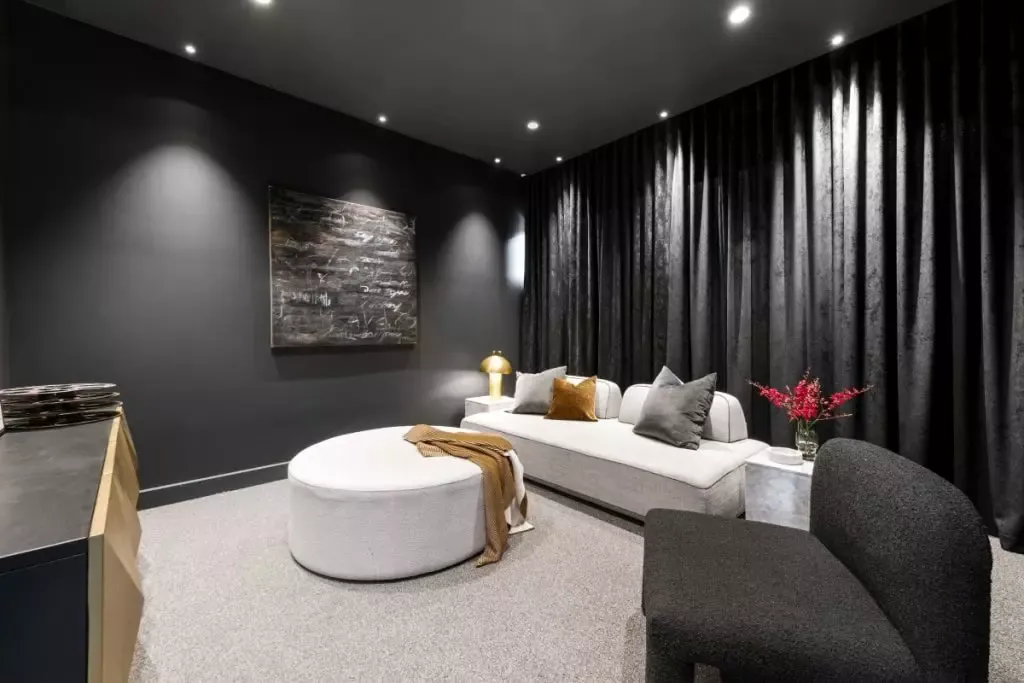
Building a custom home enhances long-term investment and resale value by creating a property with distinctive, well-executed features that match buyer preferences in the luxury segment, offering both tangible performance benefits and intangible desirability.
Unique architectural elements, durable materials, and energy performance combine to make the home more saleable and often justify a price premium. Lower renovation and maintenance needs further improve the net ownership cost over time. The following list summarises the primary investment channels through which custom builds add value.
- Distinctive architecture attracts niche buyers and commands higher offers.
- Premium materials reduce depreciation and maintain curb appeal.
- Energy-efficient systems lower operating costs and widen buyer appeal.
- Thoughtful planning reduces the need for early renovations.
These investment advantages are reinforced by market trends favoring sustainability and bespoke living, explored in the subsections below.
Why Do Custom Homes Command Higher Resale Prices in Melbourne?
Custom homes command higher resale prices when they offer features that are scarce in a market, such as site-responsive design, high-grade finishes, and documented energy performance, that appeal to high-net-worth buyers. The scarcity effect, combined with superior condition and low-maintenance materials, helps justify a margin over comparable volume-built stock.
Clear documentation of warranties, supplier provenance, and quality controls further reduces buyer risk and supports pricing. Thoughtful positioning during resale, highlighting unique features and performance metrics, maximises value capture.
How Does Energy Efficiency Contribute to Long-Term Savings?
Energy efficiency cuts running costs through reduced heating, cooling, and electrical loads; combined passive design and efficient systems can reduce annual utility bills substantially, depending on scale. Measures such as improved insulation, high-performance glazing, heat pump systems, and solar photovoltaics yield quantified operating savings and may shorten payback periods for initial investment.
Efficient homes are also more attractive to buyers who prioritise lower operating costs and environmental credentials. Over a home’s lifecycle, reduced energy expenditure contributes materially to total ownership savings.
What Are the Reduced Renovation and Maintenance Costs of Custom Homes?
Custom homes planned and executed with durable materials and right-first-time detailing typically require fewer early renovations, because owners’ needs and quality expectations are addressed during initial construction. This reduces cumulative maintenance spending and avoids disruptive, costly retrofits common in volume-built homes.
Selecting materials with proven lifecycle performance and specifying accessible systems for serviceability lowers long-term ownership burden. Consequently, fewer renovations and predictable maintenance schedules improve both owner experience and resale positioning.
The next major section outlines the end-to-end custom home process so owners know what to expect.
What Is the Custom Home Building Process with Luxury Builders in Melbourne?
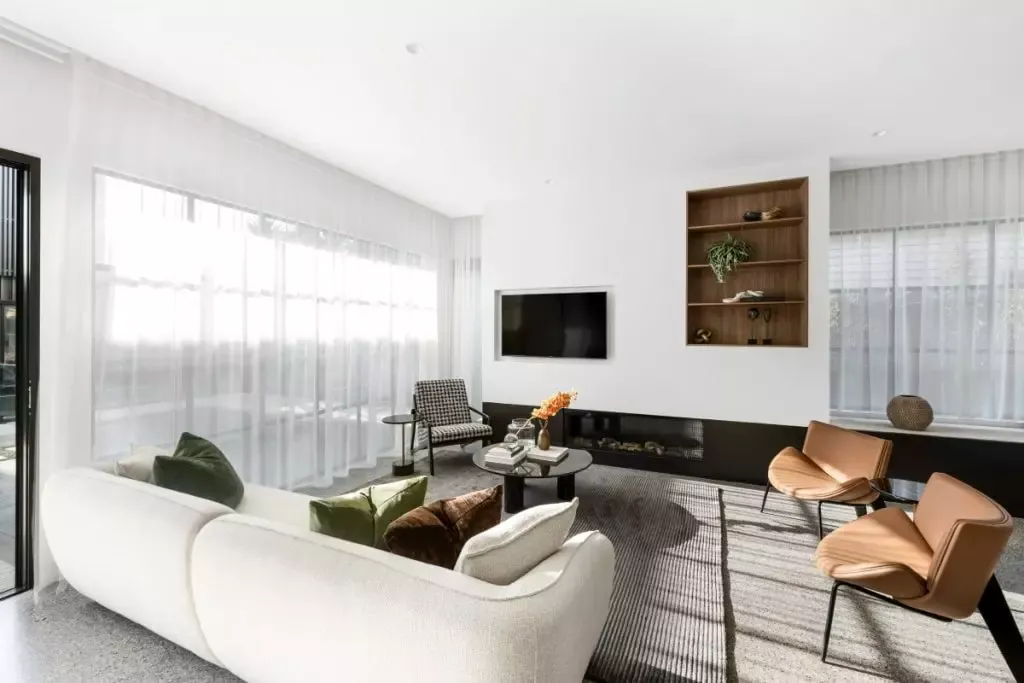
The custom home building process progresses from initial consultation and concept design through approvals, construction, commissioning, and handover; each phase is an opportunity for owner input and quality verification. Clarity of scope, timeline, and decision points at the outset reduces risk and cost uncertainty during construction.
Typical stages include visioning and briefing, schematic and detailed design, council approvals, construction documentation, on-site construction with staged inspections, and final commissioning with documented handover. Effective project governance and regular reporting are essential to deliver the intended outcome on time and on budget.
Below is a practical, ordered list of the key stages and typical timings to set expectations.
- Initial consultation and brief development (2–6 weeks) with site assessment.
- Design development and documentation (8–20 weeks), including engineering.
- Approvals and permits (time varies by council; plan for 6–16 weeks).
- Construction (foundation to lockup and finishing; 8–18 months depending on complexity).
- Commissioning and handover with defects period and warranty documentation.
These stages require coordinated collaboration between homeowners, architects, and builders, which the next subsections detail.
How Do Homeowners Collaborate with Builders from Vision to Completion?
Homeowners collaborate through structured touchpoints: brief sign-off, design review meetings, material selection workshops, pre-construction coordination, and regular site progress updates. Clear decision calendars and documented approvals ensure choices are captured and implemented without delays, while milestone meetings reduce the risk of scope creep.
Effective collaboration is supported by transparent reporting systems that provide cost and schedule visibility. When communication is managed proactively, owners remain informed and engaged without being burdened by day-to-day site administration.
What Are the Key Stages in the Custom Home Construction Process?
Key stages include pre-construction planning and documentation, site establishment and foundation works, structural framing and weatherproofing, internal services and finishes, and final commissioning with rectification and handover. Each stage has defined inspection checkpoints and sign-off requirements to ensure quality.
Durations vary with complexity and site constraints, but following a staged schedule with contingency buffers protects timelines. Homeowners should request an agreed-upon programme and reporting cadence to track progress closely.
Strong project management practices are central to those outcomes and are explained below.
How Do Transparency and Project Management Benefit Homeowners?
Transparency and disciplined project management benefit homeowners by reducing cost uncertainty, identifying risks early, and ensuring contract terms are honoured through change-order controls and milestone payments. Regular reporting, budget variance tracking, and accessible documentation build owner confidence and reduce disputes.
A robust governance framework also supports quality assurance by linking payments to verified milestone completions and inspection outcomes. Ultimately, structured management preserves design intent and protects owner investment throughout delivery.
The final major theme examines sustainable features and how they are integrated into custom luxury homes.
How Are Sustainable and Energy-Efficient Features Integrated into Custom Homes in Melbourne?
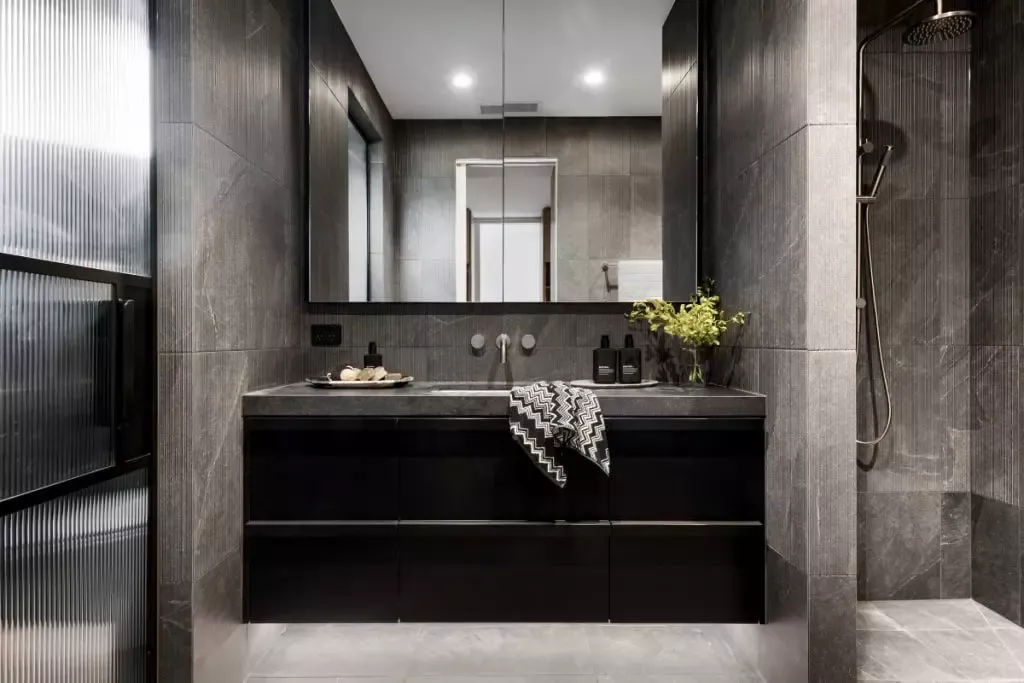
Sustainable and energy-efficient integration begins in concept design and continues through material selection, systems specification, and commissioning, ensuring performance goals are met in practice. Passive-first strategies, orientation, thermal mass, shading, and insulation form the foundation and are amplified by active systems such as efficient HVAC, solar PV, and smart controls.
The integration mechanism relies on early coordination between architect, engineer, and builder to balance capital cost with lifecycle savings. Below is an EAV-style table that quantifies common sustainable features and typical benefits to help homeowners prioritise interventions.
| Feature | Installation/Cost Impact | Value/Energy Benefit |
|---|---|---|
| Passive solar orientation | Low cost at the design stage; no major systems | 10–30% reduced heating/cooling demand |
| High-performance glazing | Moderate upfront cost; technical installation | 15–25% energy saving; improved comfort |
| Solar PV systems | Capital investment; roof integration required | 20–50% reduction in grid electricity use |
| Heat-pump hot water | Moderate cost replacement for gas systems | 40–60% efficiency improvement vs resistance |
This comparison clarifies how combining passive and active measures delivers compounded savings and added market appeal.
What Sustainable Building Practices Do Custom Builders Use?
Custom builders use practices such as passive solar design, responsibly sourced materials, high-performance building envelopes, and on-site waste reduction to minimise environmental impact and improve occupant comfort. The approach prioritises interventions with the best lifecycle returns and coordinates suppliers to ensure material provenance and performance.
Builders may also incorporate recycled materials and low-VOC finishes to enhance indoor air quality. These practices align sustainability with luxury by making efficiency a visible and tangible benefit.
How Do Energy-Efficient Designs Reduce Running Costs?
Energy-efficient designs reduce running costs by lowering heating, cooling, and electrical loads through better insulation, efficient glazing, controlled ventilation, and renewable generation. When modelled during design, these measures can be expected to decrease utility bills by meaningful percentages, depending on the package selected, often yielding payback periods that justify the initial investment for long-term owners.
Improved thermal comfort also reduces reliance on mechanical systems, extending their service life and lowering maintenance. The combined operational savings improve net ownership costs and can be highlighted in resale marketing.
Why Is Sustainability Important for Luxury Homeowners in Melbourne?
Sustainability matters to luxury homeowners because it aligns with modern lifestyle values, reduces long-term ownership costs, and serves as a prestige attribute when marketed to eco-aware buyers. High-net-worth purchasers often expect both comfort and responsibility; homes that demonstrate low operating costs, quality materials, and environmental stewardship command stronger interest.
Regulatory trends and market appetite for efficient homes further reinforce that sustainability is now a feature, not an afterthought, in luxury construction. Integrating sustainable design from the outset preserves both lifestyle quality and value.
For those considering customised luxury projects, remember: to attract and convert high-value clients for luxury residential and commercial construction projects by showcasing expertise, quality, and successful past projects, leading to enquiries and consultations. Striking Constructions Pty Ltd is a specialist in expansive architectural, luxury residential, and commercial building and construction projects throughout Melbourne and its surrounding areas.
The company focuses on creating living and working spaces that embody an unparalleled fusion of artistry, innovation, and refinement, emphasising impeccable craftsmanship, premium materials, and visionary concepts to redefine opulence.