
Year-End Holidays Luxury Renovations Melbourne: Expert Planning and Bespoke High-End Home & Commercial Transformations
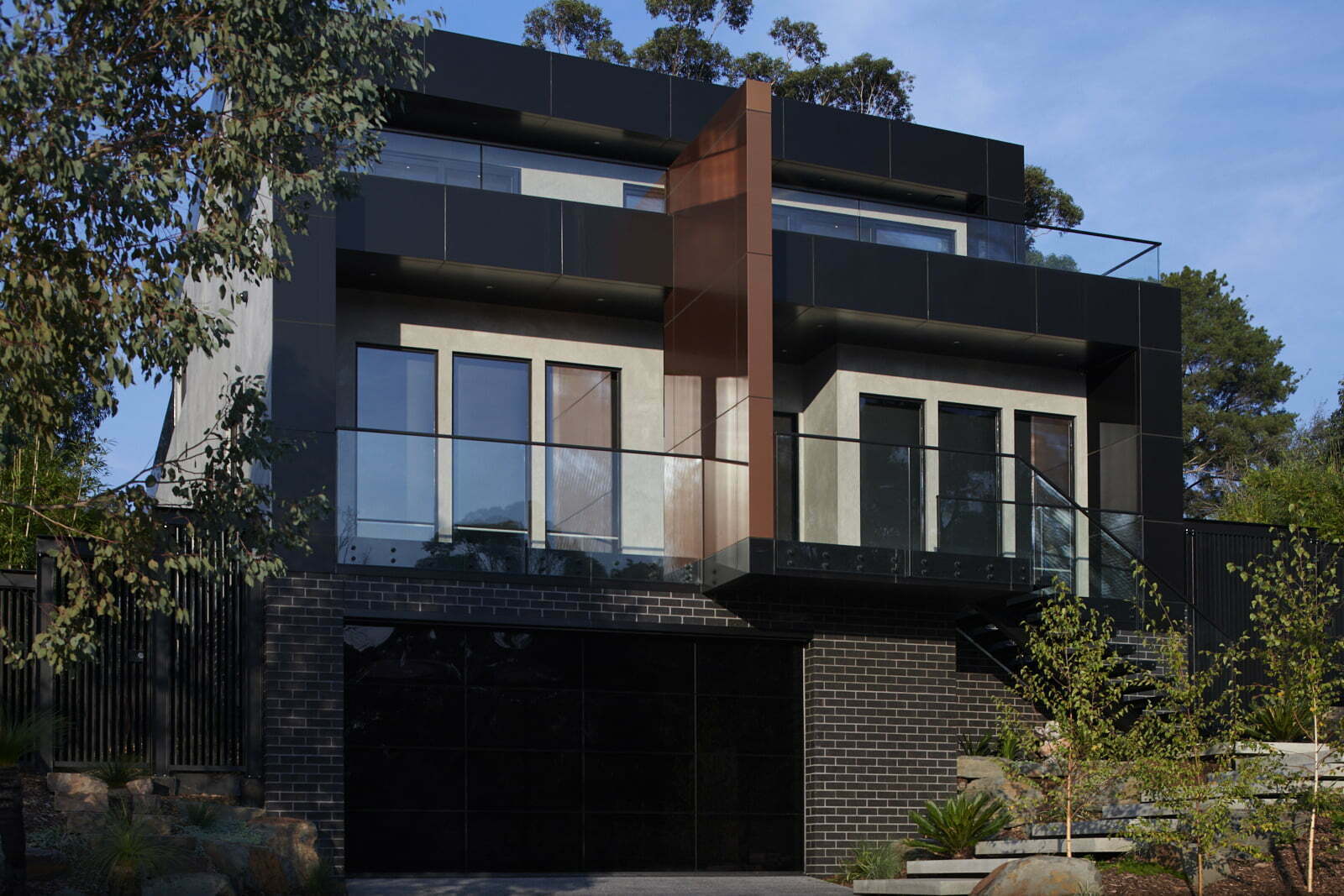
The year-end holidays present a unique window for executing luxury renovations in Melbourne that combine seasonal timing with bespoke architectural thinking and meticulous construction delivery. This guide explains why planning a high-end renovation around the year-end period can accelerate value, reduce disruption, and align project milestones with market opportunities for discerning homeowners, developers, and businesses. Readers will learn the principal benefits of holiday-timed projects, the range of prestige services available for residential and commercial properties, and how sustainable materials and smart-home technologies elevate long-term value.
Practical timelines, quality assurance measures, and step-by-step process guidance show how concept, approval, and construction can be coordinated to meet year-end targets without compromising craftsmanship. The article also highlights recent project examples, material choices, and measurable client outcomes to illustrate real-world applications. Throughout, targeted advice for Melbourne prestige property upgrades and bespoke fit-outs will help you decide whether a year-end luxury renovation is the right strategic move.
Why Choose Striking Constructions for Your Year-End Luxury Renovation in Melbourne?
Year-end luxury renovations require a design-led, tightly managed approach that balances accelerated schedules with premium finishes and compliant workmanship. A successful project combines visionary architectural design, exacting craftsmanship, and supply-chain coordination to ensure materials arrive on time and assemblies meet luxury performance standards. This alignment reduces the risk of delays during holiday shutdowns and keeps handover dates predictable for clients preparing properties for end-of-year occupancy or new-season listings. Prioritising a bespoke approach ensures that each renovation reflects the client’s lifestyle or brand while capturing amenity and resale value in Melbourne’s premium market.
What Unique Craftsmanship and Premium Materials Define Our Luxury Renovations?
Premium luxury renovations rely on carefully selected materials and specialist trades working to exact tolerances, producing durable, tactile results that elevate spaces. Typical high-end specifications include honed stone surfaces, engineered and reclaimed timbers, precision metalwork, bespoke joinery, and specialist glazing systems that enhance natural light and thermal performance. Craftspeople execute fine joinery, integrated cabinetry, and artisan finishes, with quality control checkpoints at every stage, to preserve the material intent established during the design process. This attention to materials and craft contributes directly to longevity, occupant comfort, and property value uplift while creating bespoke details that differentiate a home or workplace.
How Do Our Visionary Architectural Designs Elevate Year-End Renovation Projects?
Design-driven projects transform spatial constraints into opportunities for enhanced functionality, improved daylighting, and optimized circulation, aligning with client ambitions and Melbourne’s architectural character. Early-stage design sets the material palette, structural approach, and services coordination so that procurement and approvals can proceed in parallel with refined construction programming. Architect-led solutions often include reconfigured floorplates, concealed service integration, and landscape framing to create seamless indoor-outdoor connections that perform year-round. By prioritising design clarity before construction, projects are better positioned to meet tight year-end timelines while delivering transformative outcomes.
Striking Constructions Pty Ltd is a Melbourne-based construction company specialising in expansive architectural, luxury residential, and commercial building and renovation projects, with a core focus on delivering living and working spaces that embody artistry, innovation, refinement, impeccable craftsmanship, premium materials, and visionary concepts. Their approach pairs design collaboration with practical scheduling strategies tailored for year-end delivery, ensuring material quality and trade coordination remain central to every project.
Clients benefit from a partner who understands how to sequence procurement and works to protect finish quality during condensed programs. For enquiries and to discuss consultation options, prospective clients can contact Striking Constructions Pty Ltd to explore how a year-end renovation might be executed for their property.
What Are the Key Benefits of Planning Luxury Renovations During the Year-End Holidays in Melbourne?
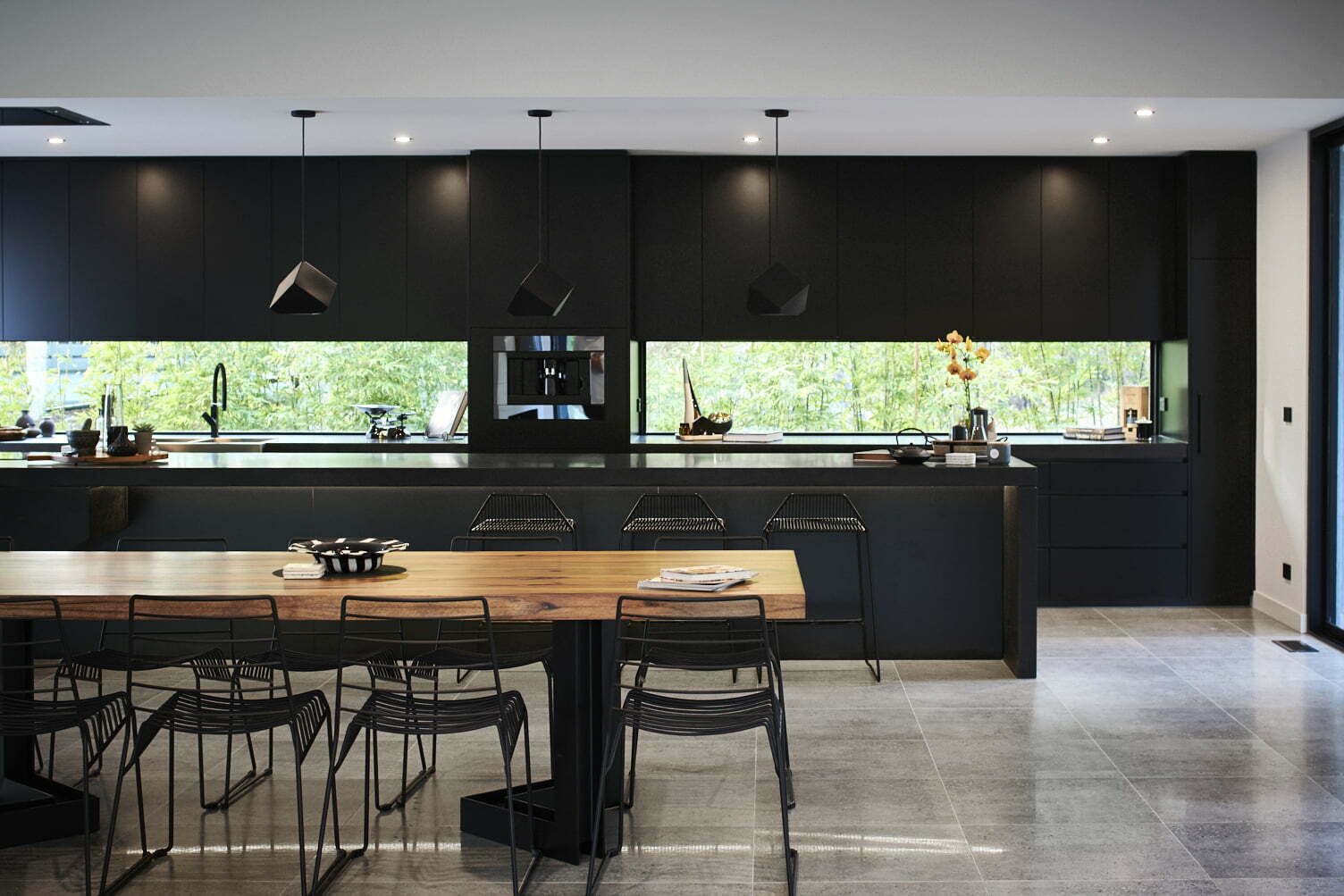
Planning a luxury renovation for the year-end holidays captures several strategic advantages that influence cost, scheduling, and market positioning. Year-end timing often frees up skilled trades between large commercial cycles, enabling better access to specialised craftsmen and reducing competition for premium materials. Suppliers sometimes offer advantageous procurement windows, and staged closures can be scheduled to minimise occupant disruption during business and school holidays. Thoughtful timing also aligns handover with high-demand listing periods or corporate event calendars, maximising the potential uplift in property value and business visibility.
- Improved Trade and Supplier Availability: Skilled trades can be more accessible for high-detail work during off-peak periods.
- Reduced Operational Disruption: Holiday schedules can be used to phase noisy or disruptive activities while occupants are away.
- Market Timing for Value Uplift: Completing works before peak listing seasons can enhance perceived value and speed of sale.
- Procurement Opportunities: End-of-year supplier windows sometimes create cost-efficient procurement for premium finishes.
These benefits suggest that a carefully managed year-end program can deliver tangible ROI through improved scheduling and market alignment, and the following table compares attributes that typically influence decision-making during this seasonal window.
| Timing Attribute | Typical Effect | Client Impact |
| Trade availability during holidays | Potentially higher availability for specialised trades | Faster completion of detail work |
| Procurement windows | Potential end-of-year supplier rebates or stock releases | Reduced lead times for premium materials |
| Market listing alignment | Handover timed to peak buyer interest | Improved sale or lease prospects |
| Occupant disruption | Easier to schedule noisy work during holidays | Better client satisfaction and convenience |
These comparisons show how year-end timing can be leveraged to improve access to resources and align handover with market opportunities, making it a strategic choice for high-end renovations.
How Does Year-End Timing Maximise Investment and Property Value?
Year-end timing can increase investment return by aligning completion with seasonal demand cycles when buyers and tenants evaluate prestige properties for the forthcoming year. Renovations that finish before peak listing windows often achieve stronger interest and can command premium pricing because buyers perceive completed high-end upgrades as immediate, usable assets.
Rapid turnarounds that preserve finish quality and present a fully documented scope of work allow agents and investors to market value uplift based on demonstrable upgrades. Integrating market timing into project strategy, therefore, supports both short-term sale objectives and long-term asset resilience.
What Are the Typical Timelines and Project Management Considerations for Year-End Renovations?
Typical luxury renovation timelines vary by scope, but a condensed year-end program requires early commencement of design and approvals, proactive procurement, and buffer planning for trade shutdowns. The critical path often includes design development, permit submissions, long-lead item ordering, and a phased construction schedule that protects high-finish trades from weather and holiday interruptions.
Communication protocols with clients and suppliers reduce late changes and allow contingency planning for permits or inspections that may run slower around public holidays. Risk mitigation involves staged handovers, protected storage for finishes, and a tight snagging and commissioning phase to ensure a polished year-end completion.
Which Luxury Renovation Services Does Striking Constructions Offer in Melbourne?
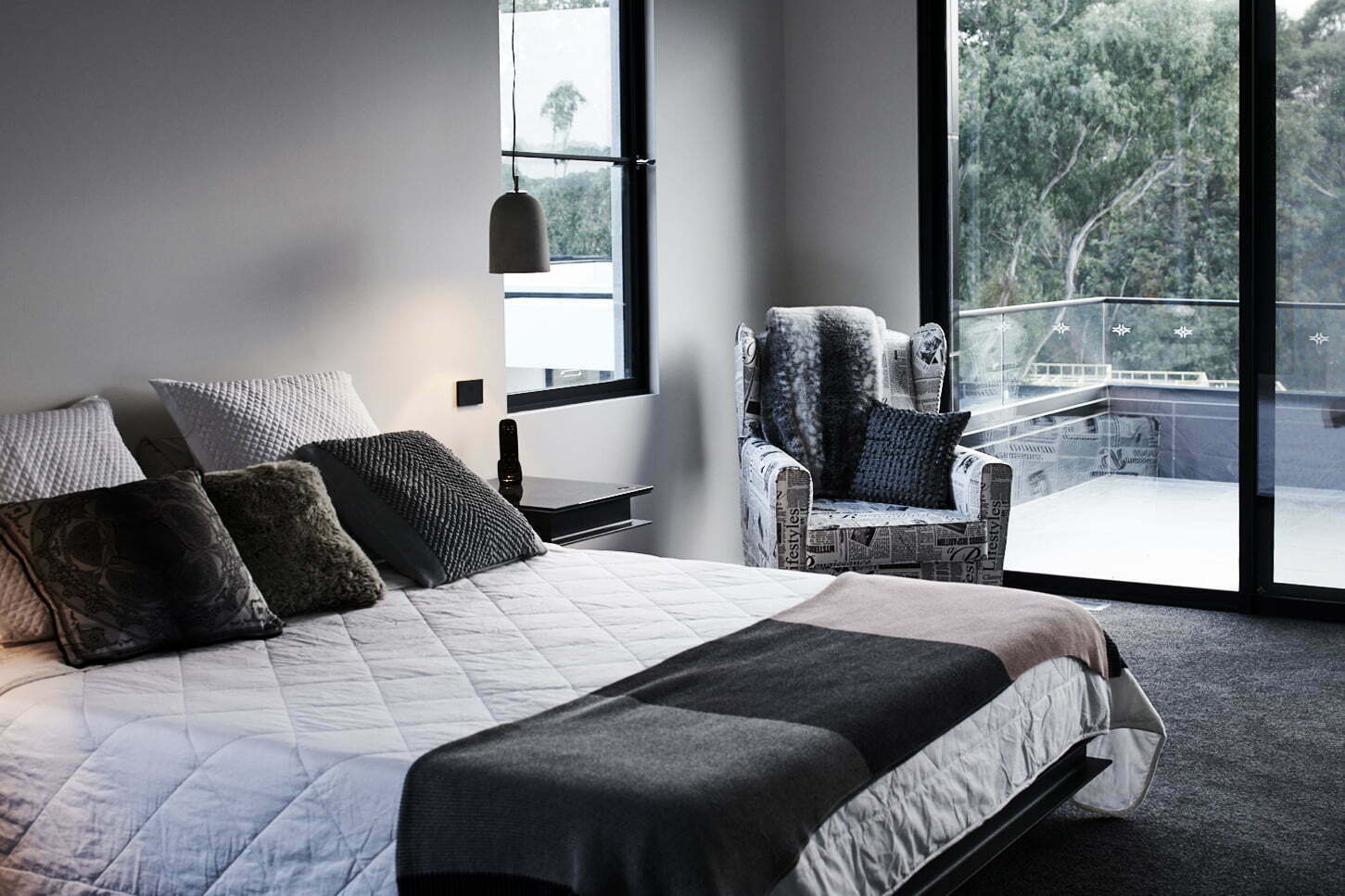
Luxury renovations encompass a broad set of specialist services that combine architectural design, high-end construction, and careful finishes integration to achieve bespoke outcomes. High-value residential projects typically require precision joinery, specialist stone and timber installations, bespoke lighting and acoustic treatments, and tested smart-home integrations, while commercial fit-outs demand phased works, brand-aligned interiors and operational continuity planning. End-to-end delivery includes concept development, design coordination, approvals management, and a structured construction phase culminating in detailed handover documentation.
| Service Type | Key Features | Client Outcome |
| Luxury Residential Renovations | Bespoke joinery, premium materials, integrated services | Enhanced lifestyle and resale value |
| Bespoke Home Extensions | Structural integration, high-performance glazing, and landscape framing | Increased usable space and natural light |
| Luxury Commercial Fit-Outs | Brand-driven interiors, staged construction, acoustic and lighting solutions | Improved customer experience and operational efficiency |
Services from Striking Constructions are designed to convert client aspirations into reality. To attract and convert high-value clients for luxury residential and commercial construction projects by showcasing expertise, quality, and successful past projects, leading to inquiries and consultations.
- Luxury residential renovations: Deliver refined living spaces that prioritise material quality and spatial functionality.
- Bespoke home extensions: Expand usable areas with seamless architectural integration and enhanced daylighting.
- Luxury commercial renovations and fit-outs: Create brand-aligned workplaces that improve customer experience and staff productivity.
What Are the Features of Our Luxury Residential Renovations and Bespoke Home Extensions?
High-end residential renovations and bespoke extensions start with a client-centric brief that defines lifestyle priorities, performance targets, and aesthetic direction. Features typically include custom kitchens with integrated appliance housing and stone benching, luxury bathrooms with engineered ventilation and heated finishes, timber and stone floor treatments, concealed service zones, and landscape integration for indoor-outdoor flow. Heritage sensitivity and planning compliance are addressed early to protect period detail while enabling contemporary upgrades. The result is a tailored home environment that balances beauty, robustness, and long-term market appeal.
How Do Our Luxury Commercial Renovations and Premium Fit-Outs Transform Workspaces?
Commercial fit-outs focus on translating brand values into spatial experience while maintaining operational continuity through staged works and precise staging. Typical features include bespoke joinery for client-facing areas, acoustic attenuation for productivity, controlled lighting schemes for atmosphere and efficiency, and resilient finish schedules for high traffic zones. Phased construction maintains business operations and minimises revenue disruption, while post-occupancy reviews measure business outcomes such as customer dwell time and staff satisfaction. These transformations support measurable returns by aligning spatial design with business objectives.
How Does Striking Constructions Integrate Sustainable and Smart Home Technologies in Luxury Renovations?
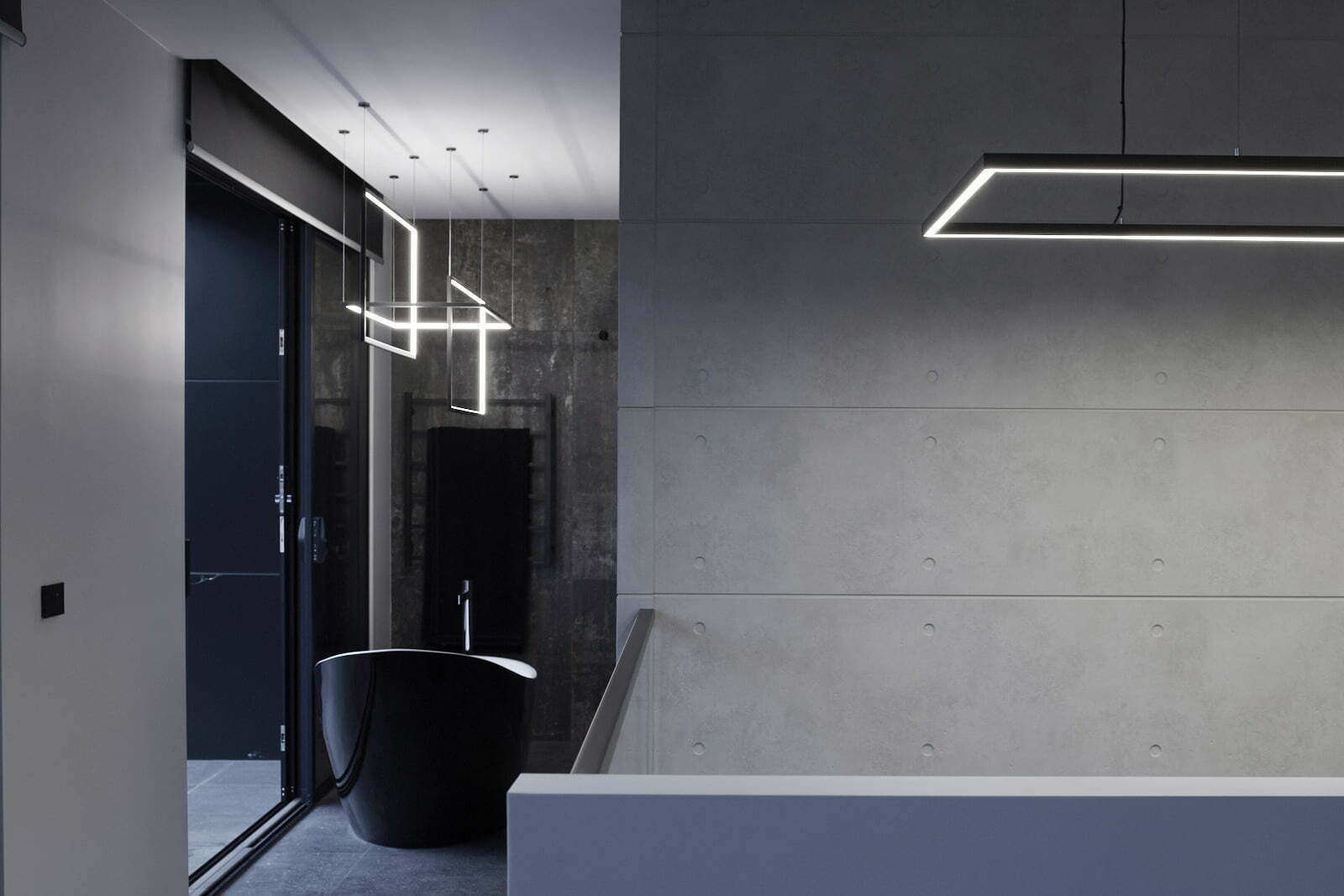
Sustainable luxury combines high-performance materials and systems with discreet technology integration to reduce operational costs and enhance occupant comfort. The integration strategy begins at design, specifying low-VOC finishes, reclaimed or certified timbers, high-performance glazing and insulation, plus solar-ready electrical infrastructure to support future energy generation.
Smart systems are planned alongside services so that automation hubs, climate control, and lighting respond to occupancy patterns while remaining concealed within bespoke cabinetry and joinery. This coordinated approach delivers both immediate environmental benefits and long-term value through reduced lifecycle costs.
| Technology / Material | Sustainability / Performance | Benefit / ROI |
| Low-VOC finishes | Improved indoor air quality | Health and comfort advantage for occupants |
| High-performance glazing | Reduced heat loss and solar gain | Lower energy consumption and improved comfort |
| Smart climate and lighting systems | Automated efficiency controls | Reduced operational costs and better environmental performance |
What Eco-Friendly Materials and Green Building Practices Do We Use?
Eco-friendly practice in luxury renovations emphasises materials that perform well and age gracefully, such as responsibly sourced or reclaimed timbers, low-VOC paints and sealants, and thermally efficient glazing assemblies. Energy-efficiency measures include upgraded insulation, efficient HVAC zoning, and future-proof conduit for photovoltaic systems and battery storage. These interventions reduce ongoing operational costs and align with contemporary sustainability expectations, while careful detailing preserves finish quality and aesthetic intent. The cumulative effect improves environmental performance and supports premium positioning in Melbourne’s market.
How Is Smart Home Automation Incorporated into Year-End Luxury Renovations?
Smart home automation is integrated through a coordinated strategy that aligns hardware selection, wiring pathways, and commissioning with the construction sequence to minimise disruption. Typical smart features include automated lighting scenes, zoned climate control, integrated security and access systems, and centralised control hubs that are user-friendly and expandable. Commissioning and user training occur near handover to ensure systems operate as intended and owners understand routines and maintenance. This staged approach allows smart technology to complement craftsmanship rather than dominate visible design elements.
- Lighting automation: Enables scene-setting and energy-saving schedules tailored to occupancy.
- Climate zoning: Provides comfort control and operational efficiency across different areas.
- Security integration: Delivers discrete monitoring and access control that supports both lifestyle and asset protection.
What Can Clients Expect from Our Luxury Renovation Process: From Concept to Completion?
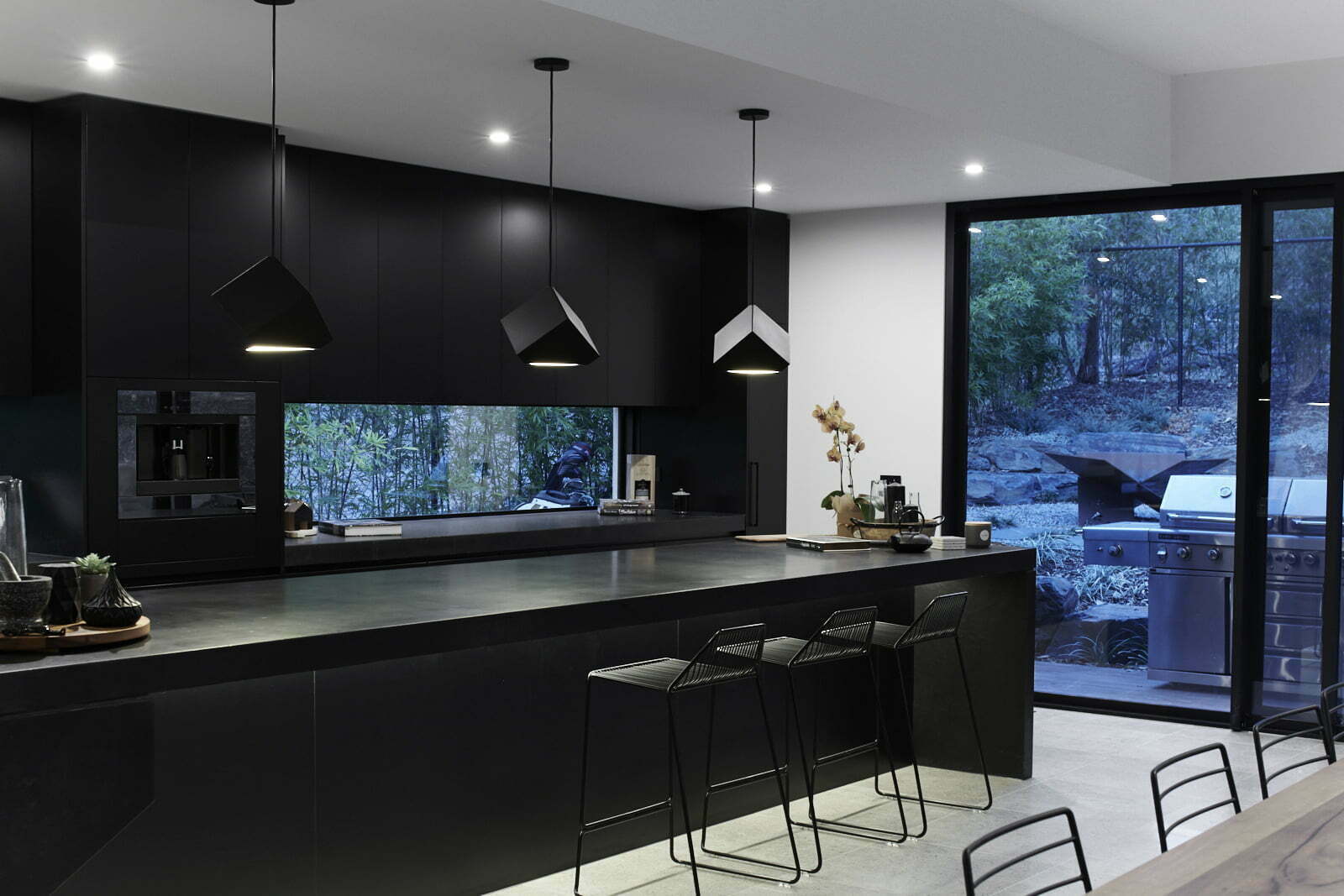
Clients can expect a structured, transparent process that moves from discovery through to detailed handover, with milestones that protect quality and manage risk. The process emphasises early collaboration with designers and engineers to define scope, finish standards, and procurement priorities so that long-lead items do not derail year-end delivery. Robust project management coordinates trades, inspections, and client communications, while quality assurance practices and staged commissioning ensure that performance targets are met before handover. Clear documentation and a practical snagging regime provide the final layer of assurance for high-end finishes and system performance.
- Discovery & Briefing: Establish project goals, budget envelope, and style direction.
- Concept Design: Produce initial sketches that resolve spatial intent and material direction.
- Design Development & Approvals: Refine technical drawings and obtain necessary permits.
- Procurement & Scheduling: Secure long-lead items and finalise the construction programme.
- Construction & Quality Control: Execute works with staged inspections and trade coordination.
- Commissioning & Handover: Test systems, complete snagging, and deliver documentation.
- Post-Handover Support: Provide follow-up checks and performance verification.
How Do We Ensure Bespoke Architectural Design Meets Client Lifestyle and Brand Identity?
Ensuring bespoke design fidelity begins with a discovery workshop that captures lifestyle patterns, aesthetic preferences, and functional priorities, then translates those findings into a concise brief. Design iteration includes material mock-ups, sample boards, and spatial studies to validate choices before procurement, reducing late changes during construction. Regular client sign-offs at predetermined milestones and illustrative documentation maintain alignment between architectural intent and execution. This iterative, evidence-based approach ensures that the final environment accurately reflects the client’s lifestyle or brand identity while remaining buildable within the agreed programme.
What Quality Assurance and Project Management Practices Guarantee Timely Year-End Delivery?
Quality assurance relies on a layered schedule of inspections, supplier warranties, and third-party testing where applicable to verify materials and workmanship at each phase. Project managers use coordinated scheduling tools to map critical-path activities, incorporate contingency buffers for holiday shutdowns, and maintain communication channels for rapid decisions. Snag lists, pre-handover inspection, and system commissioning protocols ensure items are resolved before client occupancy. These practices mitigate common risks associated with compressed year-end programmes and provide clients with confidence that aesthetics and performance expectations will be fulfilled.
Which Recent Luxury Renovation Projects Showcase Our Expertise in Melbourne?
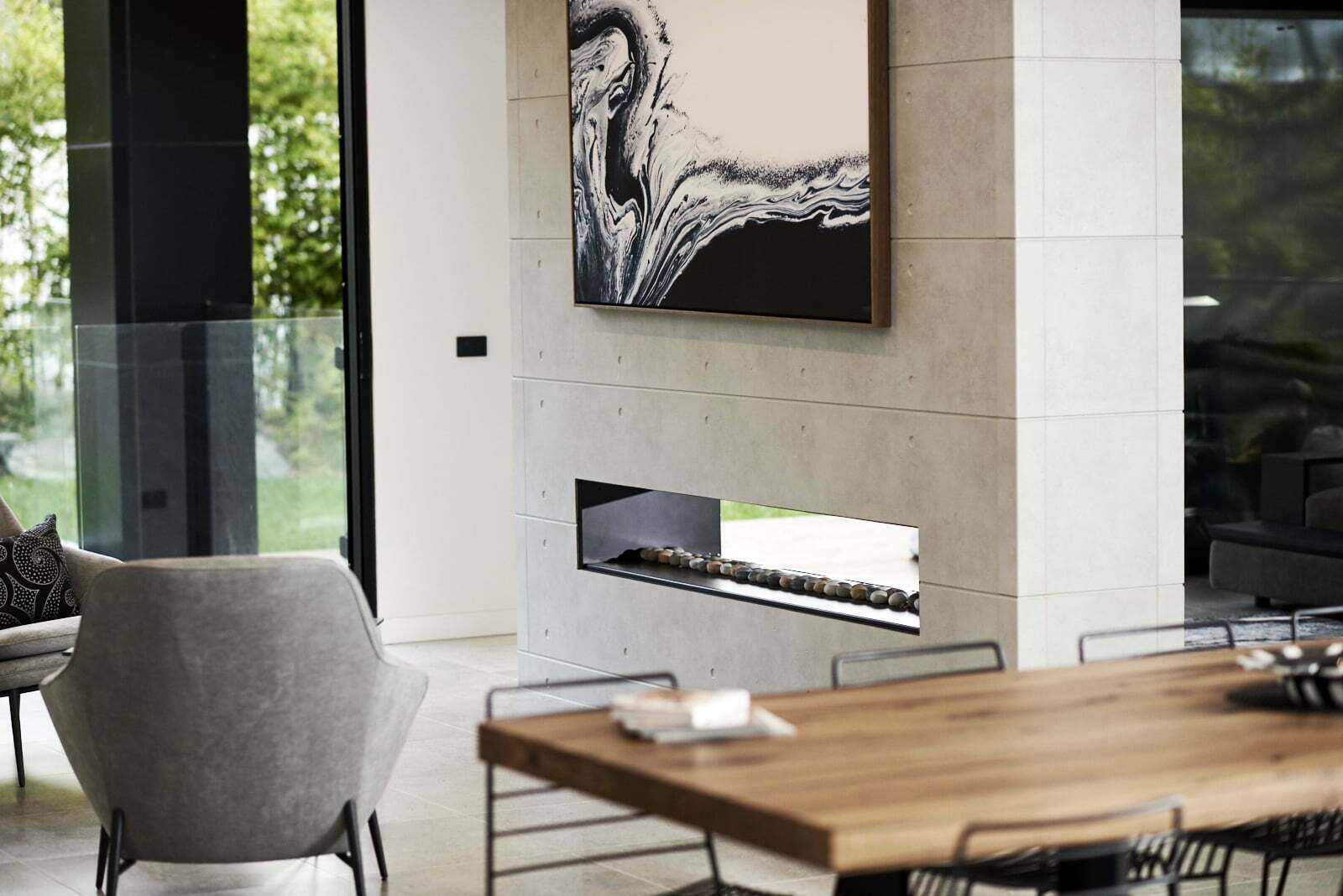
Selected project vignettes illustrate the technical and design capabilities that define successful luxury renovations in Melbourne, highlighting material choices, structural solutions, and client outcomes. Residential examples demonstrate sensitive integration of modern amenities into heritage settings, while commercial fit-outs emphasise brand-led spatial transformation and operational continuity. Each case shows how strategic sequencing, material selection, and skilled project management delivered measurable benefits such as improved space utilisation, premium finish delivery, and positive client feedback.
What Architectural Challenges and Premium Materials Were Used in Our Featured Residential Projects?
Residential projects often require resolving structural constraints, limited site access, and heritage overlays without compromising material intent or finish quality. Solutions include cantilevered extensions to maximise natural light, bespoke joinery to conceal services, and specialist glazing to improve thermal performance while preserving sightlines. Premium materials such as honed stone benchtops, engineered oak floors, and artisan metal balustrades were selected for their tactile qualities and durability. These choices, paired with careful staging and protection protocols, resulted in elegantly resolved interiors that increased usability and market appeal.
How Have Our Commercial Renovations Enhanced Client Workspaces and Business Value?
Commercial projects focused on translating brand narrative into functional space, improving customer circulation, acoustic comfort, and back-of-house efficiency. Interventions included custom reception joinery, zoned hospitality areas, and integrated AV and lighting that support experience-first strategies. Phased construction minimised trading disruption, allowing businesses to maintain operations while upgrades occurred. Measurable outcomes included enhanced customer dwell times, improved staff amenity, and clearer brand presentation, demonstrating that well-executed fit-outs deliver both aesthetic and commercial returns.
If your project aims require a detailed assessment, Striking Constructions Pty Ltd invites high-value clients to enquire and schedule consultations to explore bespoke solutions and review a curated portfolio of case studies. Contact Striking Constructions Pty Ltd to arrange a project discussion and request an in-depth consultation tailored to your year-end renovation objectives.


How High End Home Builders Melbourne Deliver Unmatched Quality and Personalised Design
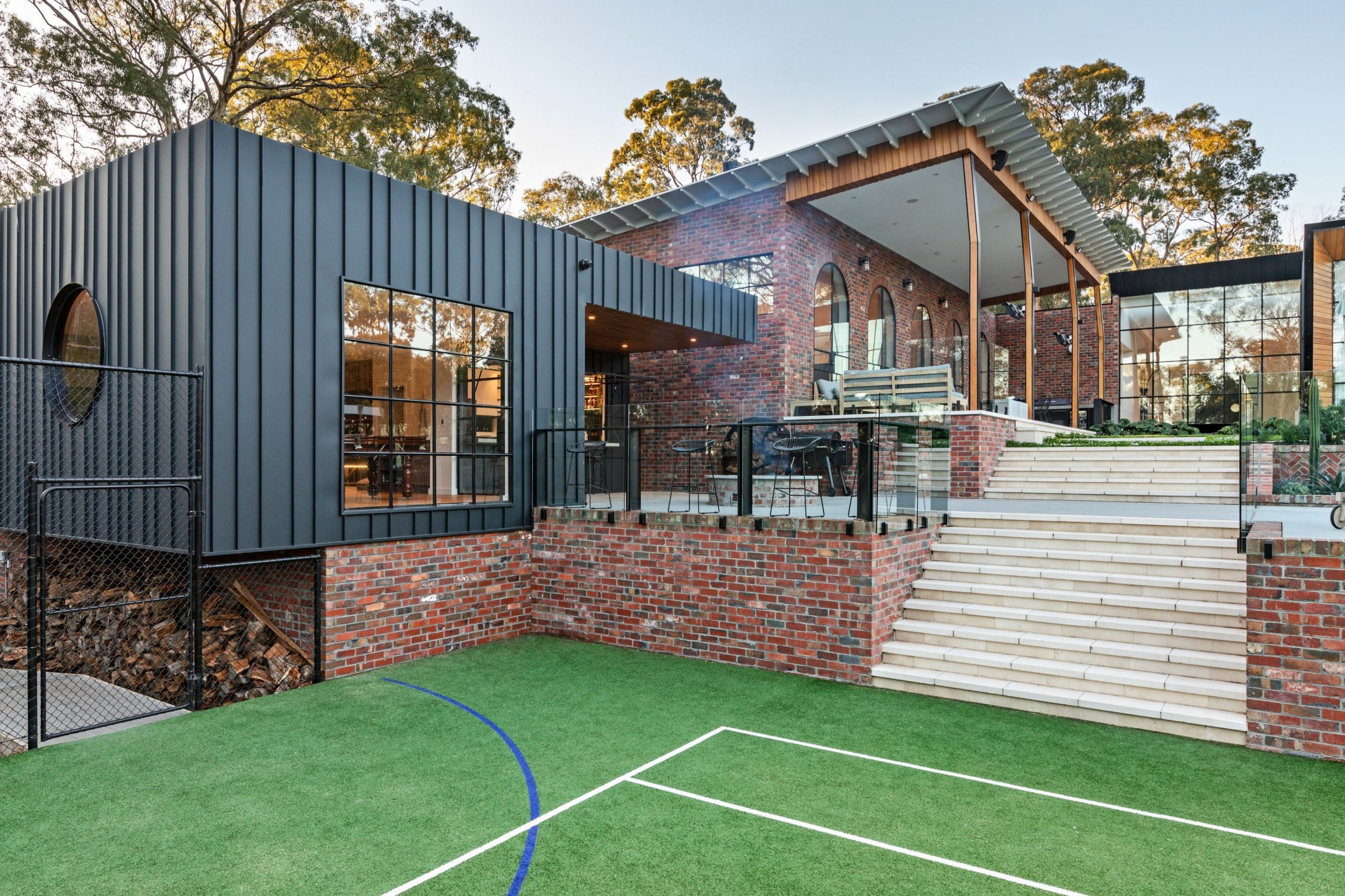
High-end home builders in Melbourne define luxury through rigorous craftsmanship, tailored design, and project systems that protect client investment while delivering singular living experiences. This article explains what separates premium builders from standard providers, how personalised architectural integration raises value, and which technical and aesthetic decisions underpin long-term quality.
Readers will learn the concrete materials, trades, and processes to demand, the commercial standards for premium office and retail projects, and the trends shaping sustainable, smart, and flexible luxury homes in Melbourne. Practical comparisons, structured tables, and actionable steps show how to evaluate builders and begin a project confidently. We use Melbourne-specific context and semantic clarity to help affluent clients and their advisors choose builders who deliver both artistry and performance.
What Defines a High-End Home Builder in Melbourne?
A high-end home builder in Melbourne is a specialist construction provider that consistently combines superior craftsmanship, premium materials, and collaborative architectural design to deliver long-lasting, distinctive residences. This definition rests on measurable mechanisms: rigorous trade coordination ensures finish tolerances, supplier relationships secure premium cladding and stone, and integrated project management reduces defects and delays. The result for the client is a home that performs technically, reads beautifully, and preserves resale value. Understanding these core attributes helps buyers separate genuine luxury builders from those offering only surface-level upgrades.
High-end builders institute quality assurance processes that manage risk and improve outcomes. Trades are selected for specific expertise and supervised through staged inspections. Material sourcing is controlled to ensure consistency across joinery, hardware, and façades. These controls link directly to warranty performance and long-term durability, which clients should prioritise when assessing proposals.
The practical attributes below summarise the high-end benchmark and make a quick checklist for initial screening. Each attribute names the capability and the client-oriented outcome.
High-end builders meet several essential attributes:
- Premium craftsmanship: Tight finish tolerances and artisan joinery that minimise visible defects.
- Premium materials: Stone, engineered timber, and specialist façades specified for performance and aesthetics.
- Architectural collaboration: Early-stage coordination with architects to resolve structure and services.
- Robust project management: Clear programmes, milestones, and on-site supervision to limit cost drift.
- Transparent client experience: Regular reporting, approvals, and staged quality sign-offs.
These attributes form the shortlist clients should verify during initial meetings. The next section examines the concrete craft and material choices that signal true build quality.
Which Craftsmanship and Materials Ensure Unmatched Quality?
Craftsmanship and material selection together determine how a luxury home ages and performs. Quality begins with structural choices and continues through bespoke joinery, engineered stone worktops, and durable external cladding that resist Melbourne’s variable climate. Trades with specialist experience, such as cabinetmakers, stonemasons, and façade installers, deliver measurable tolerances in gaps, alignments, and hardware operation that define perceived quality. Selecting materials such as engineered timbers with protective finishes, honed stone with appropriate sealing, and high-grade stainless or architectural hardware reduces maintenance and preserves aesthetic integrity.
A builder's procurement strategy also matters because consistent supply reduces on-site substitutions that degrade outcomes. Suppliers who provide technical sheets and performance warranties help clarify the long-term behaviour of selected components. Good trade supervision combines daily inspection with staged sign-offs so defects are caught early. Understanding these technical practices helps clients ask the right questions about specified materials and expected maintenance over the life of the home.
How Does Personalised Design Elevate Luxury Home Building?
Personalised design turns a technically excellent build into a unique home that reflects lifestyle, site, and future-proofing requirements. The collaborative discovery phase translates client priorities, entertaining, privacy, and aging-in-place into spatial layouts, orientation decisions, and material palettes. Bespoke elements such as custom joinery, engineered structural openings, and tailored façade treatments are created through iterative design reviews, prototyping, and shop drawings to ensure constructability and finish quality. This bespoke workflow also resolves site constraints like slope, orientation, and neighbourhood character through considered interventions that both comply with local context and deliver luxury outcomes.
Personalisation is not decoration alone; it aligns mechanical systems, acoustics, and lighting with the architecture to produce cohesive results. Early technical coordination between the architect, services engineers, and builder prevents late-stage compromises. For clients, this process yields a home that is both distinct and practical, with high usability and strong long-term appeal. The next section outlines how one Melbourne specialist positions itself within this premium landscape.
Personalisation in Home Design and Resident Well-being
This research examines the relationship between the architectural design of dwellings and personalisation in fostering a sense of home and promoting occupants' psychological well-being.
An architectural insight into the role of personalisation of homes and its effects on residents' psychological well-being, D. Al-Tarazi, 2025
This research highlights the critical role of architectural design features in creating high-end residences, emphasizing elements like spatial volume, material selection, and façade design to enhance resident lifestyle and sustainability.
Architectural Design Features in Contemporary High-End Residences
This paper investigates the applicability of architectural design features in high-end residences through a case study methodology. This study aims to identify and understand the design principles and aesthetics that influence the design of luxury homes. The case study approach involves the analysis of three contemporary luxury houses in Sarawak, each with unique architectural designs. According to the research, seven elements of designing a luxury home were explained.
These include security considerations, spatial volume, building materials, façade design, interior design, courtyards, and landscape design. These design aspects are achieved by paying close attention to detail and focusing on creating an atmosphere that promotes the residents' lifestyle. The research also emphasises the significance of implementing sustainable design approaches, which contribute to environmental sustainability and increase the value of luxury home designs. In the context of creating more resilient architecture in the future, passive luxury home design can be an effective way to mitigate the risks of extreme weather conditions.
Several passive design strategies were implemented and discussed in this paper to create an energy-efficient, comfortable, and healthy building without relying on active systems such as heating and cooling. This study provides an in-depth analysis of the design elements that are considered essential in luxury home design. The findings of this study can be useful for architects, interior designers, and developers in creating more resilient and sustainable luxury homes that meet the expectations of discerning clients.
How Does Striking Constructions Stand Out Among Luxury Home Builders Melbourne?
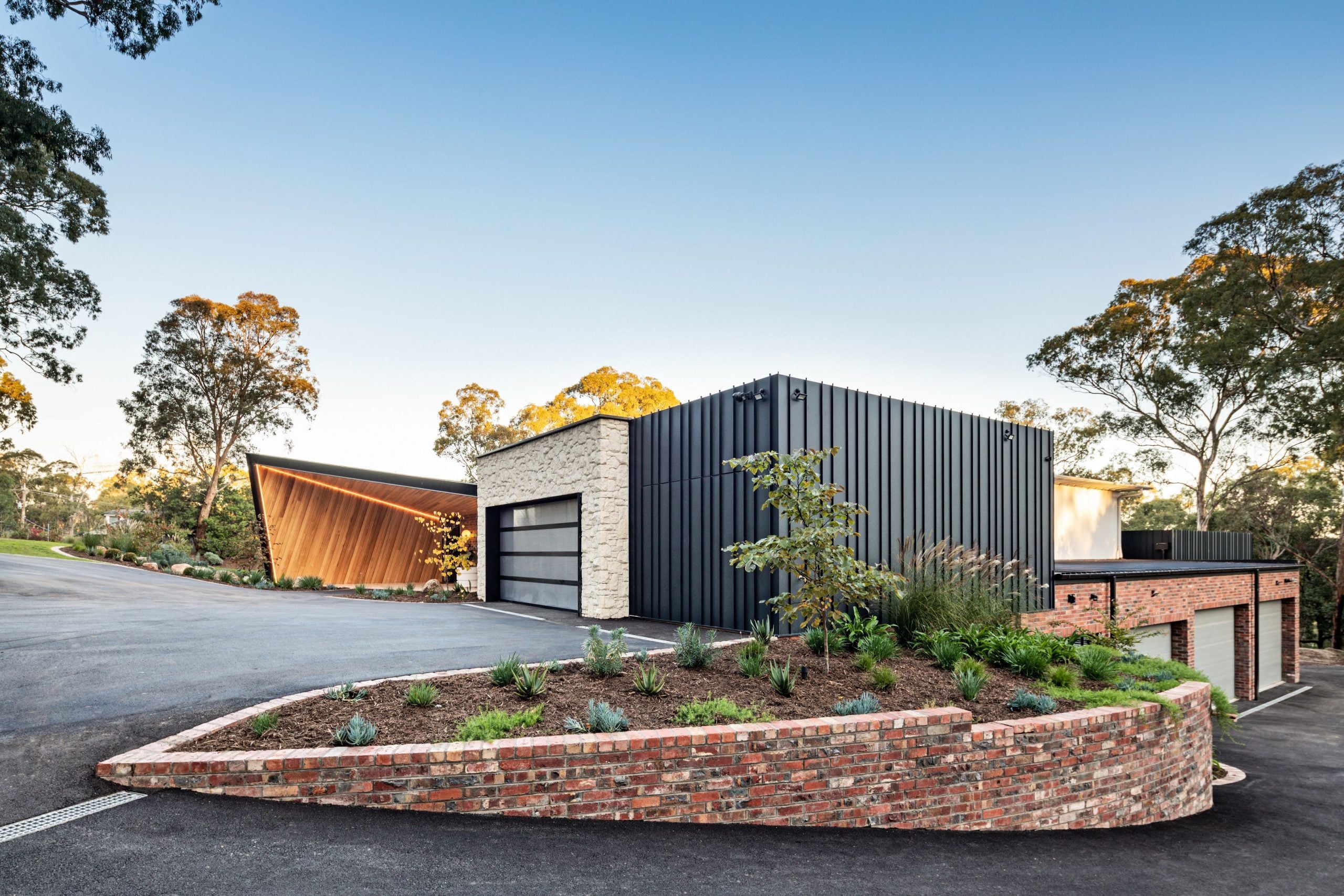
Striking Constructions Pty Ltd is positioned within the Melbourne luxury construction market through deep capability in complex architectural and commercial projects that demand high craft standards and integrated delivery. Striking Constructions Pty Ltd is a Melbourne-based builder specialising in expansive architectural, luxury residential, and commercial construction projects. The company focuses on impeccable craftsmanship, premium materials, visionary concepts, and delivering living and working spaces that embody artistry, innovation, and refinement.
Website structure includes Home, Profile, Construction, Gallery (Residential, Commercial, Developments, Pool and Landscape), Blog, Work with Us, and Contact. This business messaging provides explicit evidence of the firm’s positioning and the portfolio structure clients can explore to validate capability.
Beyond positioning, leading builders translate design intent into built form through disciplined processes. Striking Constructions emphasises integrated project management that begins during schematic design and extends through procurement and commissioning. Their workflow uses coordinated shop drawings and staged mock-ups for bespoke elements to reduce on-site risk and ensure finish quality. This procedural emphasis is characteristic of high-end builders in Melbourne and is a useful selection criterion for clients evaluating teams.
The ways a specific builder integrates architecture and bespoke solutions reveal operational maturity. Below, we examine Striking Constructions’ core value propositions and how those translate into tangible client outcomes.
What Are the Unique Value Propositions of Striking Constructions?
Striking Constructions presents several distinct value propositions that align with premium client expectations. Their specialisation in expansive architectural and luxury residential builds allows them to manage complex geometries and high-spec finishes with proven supply chains. The company’s commitment to premium materials and impeccable craftsmanship supports consistent finish standards across joinery, stonework, and façades. Visionary design integration and bespoke capability mean they routinely coordinate with architects and consultants to preserve design intent through construction.
These UVPs are supported by visible portfolio categories. Residential, Commercial, Developments, Pool, and Landscape that illustrate cross-disciplinary experience. For clients, these propositions mean fewer design compromises, clearer procurement decisions, and a single point of accountability for complex projects. The next subsection explains how that integration happens in practice, on-site and in delivery documents.
How Does Striking Constructions Integrate Architectural Design and Bespoke Solutions?
Integration is a sequence of coordinated tasks that move a concept into a finished element without losing design fidelity. The process begins with detailed design coordination meetings where architectural intent is translated into construction documentation. Striking Constructions then produces shop drawings, schedules, and prototypes for bespoke joinery, façades, and integrated systems to confirm fit, finish, and interfaces before full production. On-site, staged inspections and client sign-offs ensure each bespoke component meets the agreed quality benchmarks.
This integration reduces rework and preserves the visual and tactile qualities specified by the architect. For clients, that means bespoke elements are delivered on programme and meet the envisioned standards. With those assurances in mind, the following section unpacks the signature features of luxury residential construction in Melbourne and how they respond to local lifestyle and climate.
What Are the Key Features of Luxury Residential Construction in Melbourne?
Luxury residential construction in Melbourne typically combines expansive glazing, high-spec kitchens, robust structural detailing, and integrated service systems to create homes that perform across seasons and lifestyles. These features respond to Melbourne’s variable climate and the local preference for indoor-outdoor living by emphasising solar control, thermal comfort, and seamless transitions between interior and exterior. The planning and service integration ensure that high-end finishes are supported by accessible maintenance strategies and energy-efficient systems that reduce lifecycle costs. Understanding these components helps clients prioritise which elements add most value for their budget and lifestyle.
Common signature features include bespoke kitchens with engineered stone and integrated appliances, artisanal joinery, high-performance glazing with shading strategies, and engineered landscaping that bridges pools or terraces with living spaces. These elements are selected not only for appearance but for longevity and performance under local conditions. Below is a compact comparison of popular luxury home styles in Melbourne and the typical materials and budget implications to guide choices.
| Style | Signature Materials | Typical Signature Features |
| Modern architectural | Steel, concrete, full-height glazing | Open plans, minimal joinery, integrated lighting |
| Contemporary residential | Timber, stone, composite cladding | Layered textures, indoor-outdoor flow, high-spec kitchens |
| Heritage-sensitive | Brick, rendered masonry, timber detailing | Restored façades, sympathetic additions, custom joinery |
Which Luxury Home Styles and Custom Designs Are Popular in Melbourne?
Melbourne’s luxury market favours several styles that respond to site, suburb character, and lifestyle. Modern architectural homes prioritise structural clarity and maximum glazing to frame views and light. Contemporary residences blend natural timbers and stone to create warm interiors with fluid outdoor connections. Heritage-sensitive projects require careful reconciliation of modern amenities with period fabric, demanding specialist trades and sensitive detailing. Each style entails specific trade skills and material sourcing, which influence cost and programme.
Clients should match style to lifestyle and location, selecting builders and consultants with proven examples in the chosen typology. This alignment reduces design risk and ensures local planning and construction nuances are anticipated. The following subsection explores how sustainable and smart technologies amplify luxury outcomes in Melbourne homes.
How Do Sustainable and Smart Home Technologies Enhance Luxury Residences?
Sustainable design and smart systems increase comfort, reduce running costs, and support resale value in luxury homes. Passive design measures optimised orientation, thermal mass, and cross-ventilation to improve comfort with minimal mechanical input. On-site generation and battery storage reduce dependence on grid electricity while high-efficiency HVAC and LED lighting lower operational costs. Smart home integration ties these systems together so that lighting, climate, and security adapt to occupant preferences and energy optimisation algorithms.
Implementing these systems requires early coordination between the architect, services engineers, and the builder to ensure cabling, plant, and equipment fit within the architectural intent. When done well, sustainability and smart automation deliver both daily convenience and measurable performance gains that affluent buyers increasingly expect. The next section addresses premium commercial delivery and how it differs from residential luxury buildings.
How Do High-End Commercial Builders in Melbourne Deliver Premium Construction?

High-end commercial builders deliver premium construction by aligning compliance, brand expression, and tenant experience with rigorous programme control and risk management. Commercial projects demand different standards: business continuity during fit-out, accessibility and fire engineering compliance, and services-heavy coordination that supports tenant operations. These projects also focus on ROI drivers such as workplace productivity, customer impression, and long-term asset value uplift. Builders operating at this level combine specialist contractors, staged handovers, and robust communication frameworks to balance stakeholder needs.
Commercial delivery models often include phased occupancy, integrated design-and-build packages, and lifecycle planning for maintenance. High-end commercial fit-outs prioritise acoustics, bespoke joinery for reception and boardroom spaces, high-grade finishes, and resilient MEP systems to support tenant requirements. The items below outline the core benefits that premium commercial development and fit-outs deliver for owners and occupiers.
Premium commercial projects provide measurable client benefits:
- Enhanced brand image: Tailored interiors and façades that reflect corporate identity.
- Improved tenant experience: Acoustic comfort, ergonomic layouts, and integrated amenities.
- Asset value uplift: Long-term capital appreciation through quality construction and materials.
These benefits translate into higher retention, improved rental yields, and a stronger market position for commercial owners. The following table summarises common commercial project types, their core service elements, and client benefits to aid decision-making.
| Project Type | Core Service Elements | Client Benefit |
| Office fit-out | Tenant coordination, MEP upgrades, bespoke joinery | Productivity and brand alignment |
| Boutique retail | Façade works, lighting design, display joinery | Customer experience and sales uplift |
| Mixed-use development | Complex sequencing, common-area finishes, services integration | Diversified income and long-term value |
What Are the Benefits of Luxury Commercial Developments and Office Fit-Outs?
Luxury commercial developments deliver practical advantages beyond aesthetics. High-quality workplaces increase occupant wellbeing and productivity through better daylighting, acoustics, and climate control. Retail and hospitality fit-outs designed to high standards enhance customer dwell time and conversion. For investors, premium construction reduces vacancy risk and commands higher rents, directly improving financial performance. These outcomes depend on disciplined project management and specification clarity from the outset.
Realising these advantages requires early stakeholder alignment on business goals, occupant profiles, and maintenance regimes. When client objectives are explicit, contractors can design resilient systems and finishes that meet operational needs. The next subsection outlines how Striking Constructions manages large commercial projects in practice, demonstrating the controls premium providers apply.
How Does Striking Constructions Manage Large-Scale Commercial Projects?
Striking Constructions applies structured programme control, staged procurement, and coordinated subcontractor management to deliver large commercial projects. Their approach includes detailed milestone planning, health and safety systems, and clear reporting to client stakeholders. Site management emphasises quality inspections, compliance checks, and interface coordination across service trades to reduce rework and sustain programme certainty. These practices align with the expectations for premium commercial construction in Melbourne.
Effective communication is central: scheduled client updates, trade briefings, and issue-tracking keep projects transparent and predictable. For owners, this reduces commercial disruption and secures the benefits of high-spec fit-outs and developments. With commercial processes established, we now consider the key trends shaping luxury homes in Melbourne.
What Are the Latest Luxury Home Building Trends in Melbourne?

Melbourne’s luxury building trends centre on sustainability, seamless smart-home expectations, flexible living spaces, and refined indoor-outdoor integration. Sustainability has moved from a feature to a baseline requirement, with low-carbon materials, embodied-carbon reporting, and on-site generation commonly specified. Smart home systems are now expected to orchestrate comfort, security, and energy use as a cohesive experience. Flexible spaces that adapt for work, guests, or multi-generational living respond to lifestyle shifts. These trends intersect to create homes that are both beautiful and resilient in the current market.
Below is a concise comparison of top trends, the technical components they involve, and the practical impact they deliver to homeowners. This table helps clients weigh trade-offs and set priorities for specification.
| Trend | Technical Components | Practical Impact |
| Sustainability | Passive design, solar + battery, low-carbon materials | Lower running costs and improved resale |
| Smart automation | Integrated control, AI energy management, unified UX | Greater comfort and operational efficiency |
| Flexible living | Movable partitions, multi-use rooms, acoustic zoning | Adaptability for changing household needs |
How Are Sustainability and Eco-Friendly Practices Shaping Luxury Homes?
Sustainability in luxury homes emphasises both operational efficiency and embodied carbon reduction. Passive solar design and high-performance envelopes reduce energy demand. On-site generation with battery storage and efficient HVAC lowers operational emissions and provides resilience during outages. Material choices recycled content, low-VOC finishes, and responsibly sourced timber, reduce environmental impact and often improve indoor air quality. The combination of passive and active measures produces measurable comfort gains and lifecycle savings.
Designers and builders must coordinate early to balance aesthetic goals with performance targets. Detailing, thermal bridging mitigation, and durable surface selections all contribute to long-term sustainability outcomes. Clients who prioritise these measures typically see reduced utility costs and stronger market appeal.
What Smart Home Features Are Essential for Modern Luxury Residences?
Smart home systems in luxury residences now integrate lighting, climate, security, and energy management under a single user experience. Essential features include centralised control platforms that coordinate HVAC and lighting schedules, AI-driven energy monitoring to optimise solar and battery usage, and discreet sensors that enhance comfort without intruding on design. Seamless UX across mobile and voice interfaces ensures usability for household members and property managers.
Integration requires early coordination to provision cabling, conduits, and service zones while preserving architectural intent. When properly executed, smart systems increase convenience, reduce energy waste, and add demonstrable value for buyers seeking modern, connected homes. With trends clear, potential clients need a practical path to start a project with a premium builder.
How Can Clients Start Their Luxury Home or Commercial Project with Striking Constructions?

Starting a luxury home or commercial project begins with a focused briefing and a staged process that clarifies objectives, budget, and programme. Striking Constructions outlines a collaborative pathway that moves from initial consultation through design and construction to a managed handover. Clients should prepare a project brief, reference images or precedents, and an approximate budget range to enable productive early discussions. This clarity speeds feasibility assessment and reduces scope creep during later stages.
The practical client journey follows distinct stages that create decision points and approvals. The builder’s role is to translate the brief into delivery documents, advise on material selections, manage trades, and provide transparent reporting. Striking Constructions supports clients through permits, procurement, and staged quality sign-offs to protect design integrity and programme outcomes. The numbered steps below describe the typical project sequence to target featured snippets and set expectations.
Clients can start their project in four clear steps:
- Initial consultation: Share brief, site information, and budget to establish feasibility.
- Design development: Develop schematic and detailed design with architect and builder input.
- Construction: Execute works under a managed programme with staged inspections and updates.
- Handover: Complete commissioning, client orientation, and final quality sign-off.
What Is the Collaborative Design and Construction Process?
The collaborative workflow begins with discovery and brief development, where client goals are documented, and site constraints are analysed. Design iterations follow with schematic options, cost refinement, and technical coordination among the architect, engineers, and the builder. Detailed documentation, shop drawings, and prototypes confirm bespoke elements before manufacture. During construction, regular communication, inspection, and client approvals maintain quality and limit surprises.
This linear but iterative process reduces risk and ensures deliverables match expectations. Clear responsibilities and staged payments keep the project on track and aligned with the agreed brief. Clients who engage early in this workflow gain better cost control and a final building that performs as designed.
Where Can Clients View Striking Constructions’ Portfolio and Case Studies?
Striking Constructions maintains a structured gallery and portfolio architecture that demonstrates its range across residential, commercial, development, and pool and landscape projects. Clients can review category galleries to find comparable projects that reflect the required scale, finish level, and technical complexity. When assessing a portfolio, focus on consistency of materials, evidence of complex detailing, and examples of completed bespoke elements that mirror your brief.
Requesting targeted case studies or site viewings helps validate workmanship and coordination capability. Evaluating past projects in the same style or typology provides a practical benchmark for expected outcomes and informs specification decisions before tendering and contract negotiation.
Avoid These Mistakes When Choosing a Bespoke Home Builder Melbourne: Expert Guidance for Luxury Custom Builds
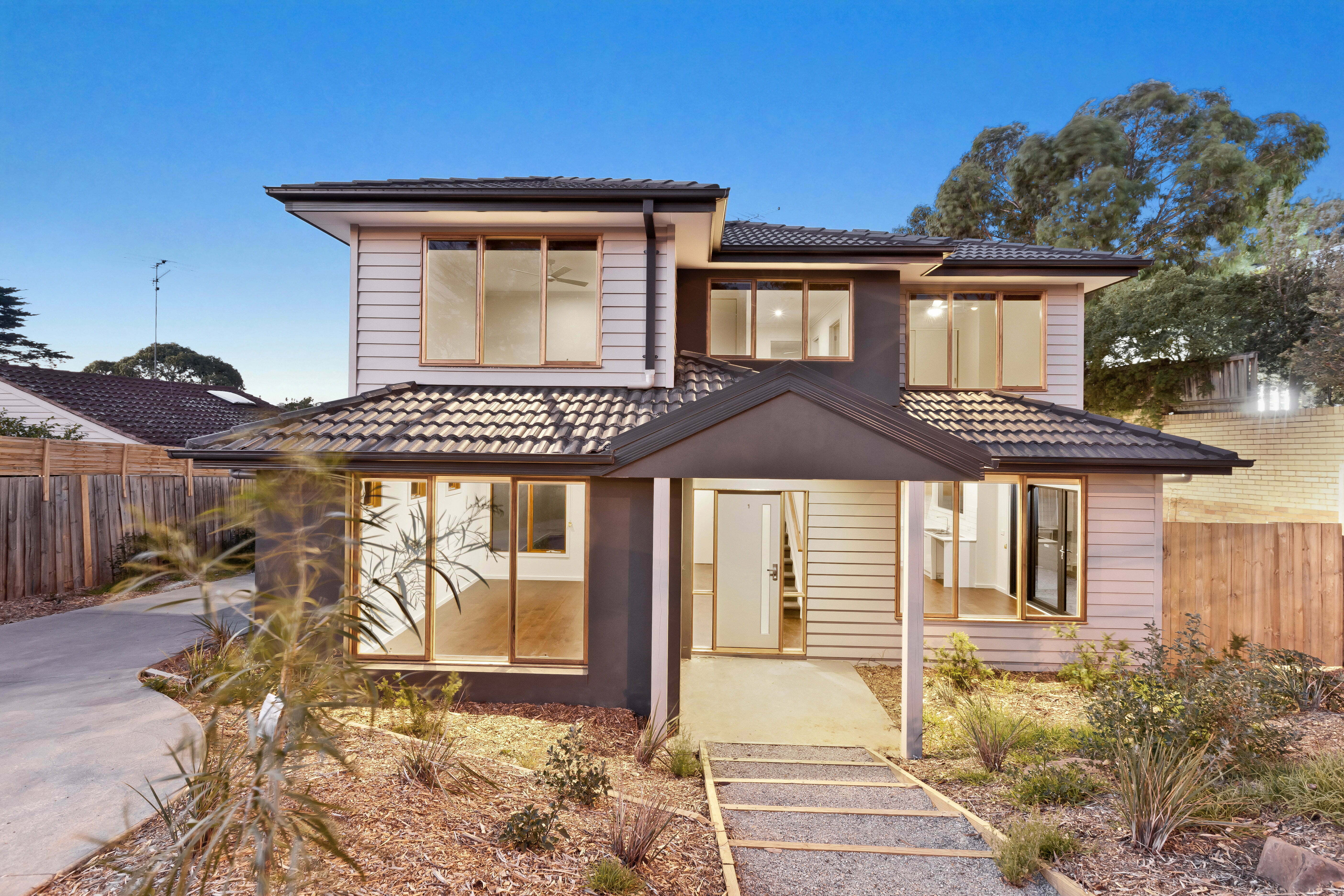
Choosing a bespoke home builder sets the tone for every stage of a luxury build: design fidelity, material quality, programme certainty, and long-term value. A bespoke home builder is a specialist construction company that delivers custom architectural homes by coordinating architects, specialist trades, and premium materials to precise specifications. Understanding this role helps you avoid costly mistakes. This guide explains the most common selection errors, how to vet luxury and prestige home builders in Melbourne, essential design and planning traps, contract and communication checkpoints, and material and quality pitfalls to watch for.
You will learn practical verification steps from Building and Plumbing Commission (BPC) checks to reference interviews, alongside contractual red flags and quality-control checkpoints that protect your investment. Read on for concise remediation steps, checklists you can use when interviewing builders, comparison tables to weigh price versus value, and a short explanation of how Striking Constructions Pty Ltd applies transparent processes to reduce risk for high-value bespoke projects.
What Are the Most Common Mistakes When Selecting a Bespoke Home Builder Melbourne?
Selecting a bespoke home builder without a structured vetting process exposes you to delivery risk, inferior finishes, and cost blowouts. At a basic level, common mistakes arise from under-researching reputation and portfolio relevance, choosing solely on price, accepting vague contract terms, ignoring specialist experience for complex builds, and failing to verify warranties and insurances.
These failures compound because bespoke and prestige home builds require technical coordination, premium materials, and experienced project management to achieve intended outcomes. The list below summarises the top five mistakes with direct remediation steps to help homeowners prioritise actions before committing to a builder.
Top five mistakes to avoid when choosing a bespoke builder:
- Neglecting thorough vetting: Verify licences, references, and recent project examples before shortlisting builders.
- Choosing on price alone: Ask for detailed breakdowns of allowances, provisional sums, and exclusions to reveal hidden costs.
- Accepting vague contracts: Require a clear scope, variations procedure, and defect/warranty terms before signing.
- Overlooking specialisation: Match the builder’s portfolio to your design complexity and technical requirements.
- Skipping site visits and references: Visit live projects and speak with recent clients to validate workmanship claims.
These common errors forecast specific problems such as warranty disputes and finish-quality issues; understanding those risks leads naturally to practical vetting steps that follow in the next section.
How Does Builder Reputation Impact Your Bespoke Home Project?
Builder reputation functions as a practical signal of capability, combining portfolio evidence, client testimonials, on-site workmanship, and recognitions into an observable pattern of delivery. Reputation matters because bespoke builds depend on repeatable processes such as project management, trade coordination, and quality-control checkpoints that show up consistently in previous projects and client feedback.
Key red flags include incomplete portfolios for comparable scale, evasive reference responses, or unclear responsibility for latent conditions; green flags are transparent project documentation, demonstrable gallery images of finishes, and architects willing to be contacted. Verify reputation by asking for recent client contacts, visiting active sites, and inspecting detailed photographic evidence of finishes. These verification steps reduce uncertainty, and they naturally transition into the more formal vetting actions described next.
Why Is Relying on Price Alone a Risk in Luxury Home Construction?
Relying solely on the lowest quote ignores the differences in material specification, craftsmanship, allowances, and risk contingencies that determine long-term value. Low-price proposals often hide provisional sums, vague inclusions, and lower-grade materials that inflate cost and reduce longevity once variations are added. Remedy this by requesting a line-itemed tender or preliminary estimate that separates allowances, provisional sums, and exclusions, and by asking for specified brands, grades, and installation standards.
The following table compares typical low-price builders with high-end bespoke builders across the attributes owners care about: materials, warranty, finish quality, communication, and long-term value.
The following comparison clarifies where a higher initial investment protects you over the lifecycle of the home.
| Builder Type | Materials | Warranty & Defects | Finish Quality | Communication | Long-term Value |
| Low-price builder | Standard-grade components, limited specification | Shorter or vague defect terms | Variable, often subcontracted finishing | Reactive, limited documentation | Lower resale and higher maintenance costs |
| High-end bespoke builder | Specified premium materials and trade packages | Clear defects liability and warranty processes | Consistent, documented high-end finishes | Proactive updates, scheduled meetings, and reports | Preserves capital value and reduces lifecycle costs |
| Specialist prestige builder | Architect-led specifications, premium sourcing | Comprehensive handover and warranty management | Craftsmanship-focused, trade-managed finishing | Single-point contact and integrated PM systems | Enhanced durability and market desirability |
This entity-attribute comparison demonstrates why a lowest-cost selection can create disproportionate downstream expense and risk; a detailed tender and material schedule is the practical defence.
How Can You Effectively Research and Vet a Luxury Bespoke Home Builder?

Effective vetting combines regulator checks, portfolio and site verification, reference interviews, and insurance validation to produce a reliable assessment of a builder’s fit. Start with the Building and Plumbing Commission (BPC) licence check and proof of relevant insurances, then triangulate that formal verification with direct evidence: recent project lists, architect contacts, and on-site visits that reveal coordination and finish standards.
These mechanisms reduce semantic uncertainty: the builder (entity) → demonstrates (relationship) → capability via live projects and verifiable documentation (entity).
Use the following practical checklist when vetting bespoke builders:
- Ask for the licence and insurance documentation and confirm the currency with the BPC.
- Request a detailed portfolio of completed and in-progress projects that match your scale.
- Visit at least one live site to assess trade coordination, cleanliness, and on-site QC processes.
- Obtain three client references and ask about variations, timelines, and defect management.
- Require a preliminary scope document with material specifications and provisional sums clearly listed.
This checklist gives you concrete verification actions; following it reduces the common selection mistakes identified earlier and prepares you to ask targeted interview questions, which are described in the next subsection.
What Questions Should You Ask When Interviewing Bespoke Home Builders?
When interviewing potential builders, structured questions reveal process maturity, subcontractor networks, and problem-resolution capability; request answers in writing for comparison. Ask about experience with similar architectural complexity, how they manage provisional sums and variations, typical construction timelines, and the project manager assigned to your job. Specific high-value questions include how latent conditions are handled, escalation pathways for disputes, trade vetting methods, and how defects are recorded and rectified during the defects liability period.
Document responses and flag evasive or non-specific answers as red flags that warrant further verification. These interview outcomes will lead to how to validate specialised experience on projects in Melbourne, as described next.
How Do You Verify a Builder’s Experience and Specialisation in Melbourne?
Verifying experience requires evidence: a list of comparable projects with suburbs, architect contacts, close-up finish photos, and, where possible, a site visit to a finished home. Ask for contact details of collaborating architects and engineers, then confirm the builder’s role and responsibility scope on complex projects. Check for specialist trade relationships such as stonework, custom joinery, specialist glazing, and request specification sheets to ensure trades can meet required tolerances.
Confirm insurance types such as home warranty and public liability, and reconcile those with the BPC licence status. Verifying these elements reduces selection ambiguity and links directly to better contract negotiation, which is covered in the following sections.
What Design and Planning Mistakes Should You Avoid in Custom Home Builds?
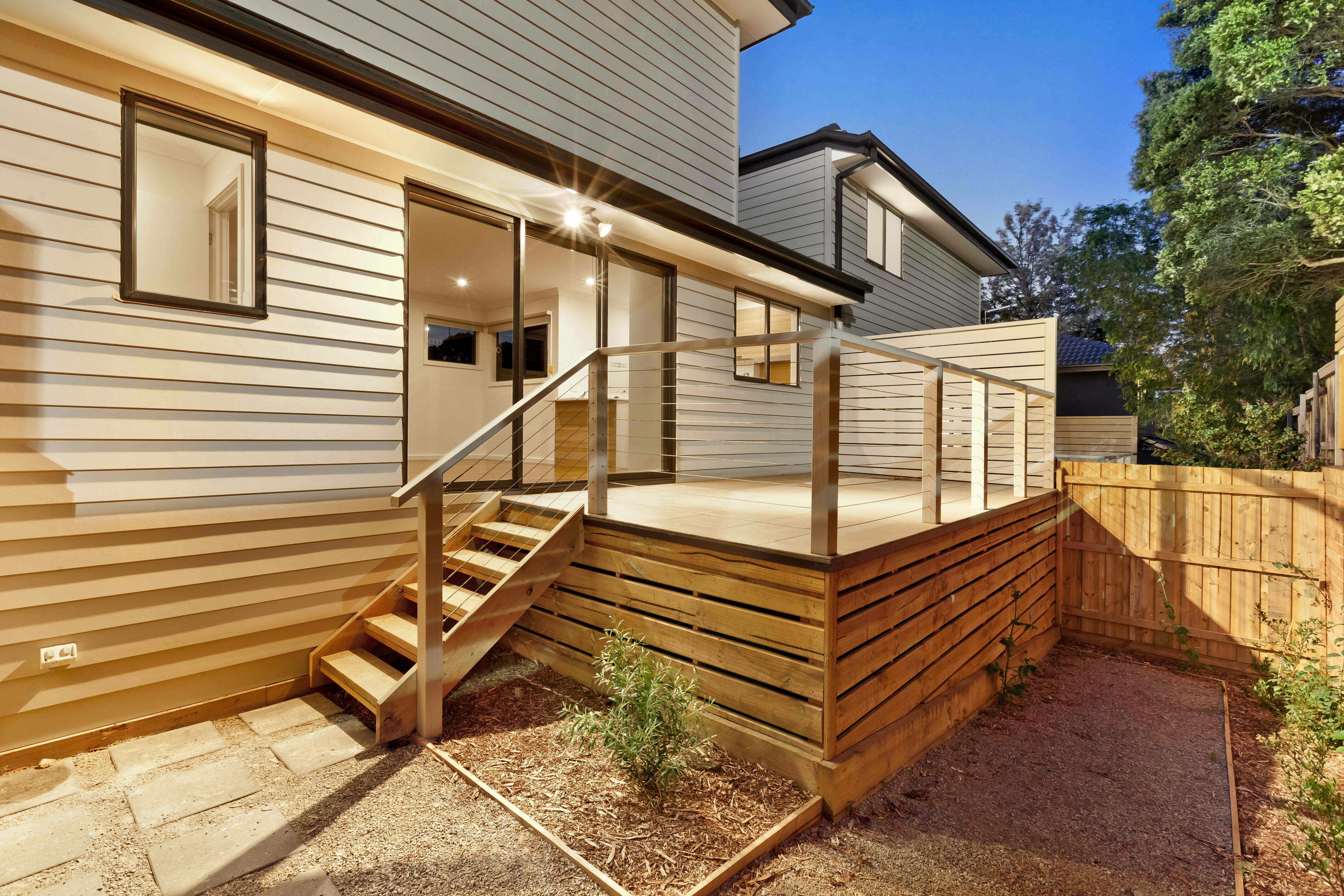
Design and planning mistakes often originate early in the brief and compound during construction; insufficient scope definition, late changes, and excessive bespoke features can undermine functionality and escalate costs. A clear design brief aligned with early builder–architect collaboration improves constructability and reduces variations, while early integration of sustainability decisions drives superior lifecycle outcomes. The next subsections outline examples of over-customisation risks and practical sustainability items to include early in your brief.
How Can Over-Customisation Affect Your Bespoke Home’s Functionality?
Excessive bespoke features such as highly specialised joinery, irregular room geometries, or non-standard structural elements can create maintenance burdens, complicate service access, and limit adaptability for future owners. Over-customisation increases reliance on specialist trades and custom components, lengthening lead times and raising the cost of future repairs or renovations. Balance uniqueness with usability by prioritising functional zones, service access points, and modular design elements that allow future adaptation.
Practical mitigation is to list “must-have” versus “nice-to-have” bespoke elements early in the brief and to require the builder and architect to provide lifecycle cost estimates for highly custom features.
Why Is Early Integration of Sustainable Design Crucial for Luxury Homes?
Integrating sustainability early, orientation, insulation levels, glazing performance, solar-ready infrastructure, and materials sourcing reduces operating costs and enhances long-term asset value. Early decisions on thermal envelope and passive design reduce dependency on active systems; specifying durable, low-maintenance premium materials also lowers lifecycle costs. Consider a checklist of sustainable measures in concept design and require the builder to cost and schedule those elements as part of the early estimate. Early integration yields better outcomes than retrofitting, and it becomes a differentiator in Melbourne’s market for prestige home buyers.
Sustainable items to include from the concept stage:
- Building orientation and passive solar design: maximise natural light and thermal comfort.
- High-performance insulation and glazing specification: reduce heating and cooling load.
- Solar PV readiness and battery provision: future-proof energy resilience.
- Durable, responsibly sourced materials: lower lifecycle maintenance and support resale.
Including these elements early ties design intent to contract scope and reduces variation-driven cost growth.
Key Design Features for Luxury Homes: A Case Study Analysis
This paper investigates the applicability of architectural design features in luxury residences through a case study methodology. The study aims to identify and understand the design principles and aesthetics that influence the design of luxury homes. The case study approach involves the analysis of three contemporary luxury houses in Sarawak, each with unique architectural designs. According to the research, seven elements of designing a luxury home were explained. These include security considerations, spatial volume, building materials, façade design, interior design, courtyards, and landscape design.
These design aspects are achieved by paying close attention to detail and focusing on creating an atmosphere that promotes the residents' lifestyle. The research also emphasises the significance of implementing sustainable design approaches, which contribute to environmental sustainability and increase the value of luxury home designs. In the context of creating more resilient architecture in the future, passive luxury home design can be an effective way to mitigate the risks of extreme weather conditions. Several passive design strategies were implemented and discussed in this paper to create an energy-efficient, comfortable, and healthy building without relying on active systems such as heating and cooling.
This study provides an in-depth analysis of the design elements considered essential in luxury home design. The findings of this study can be useful for architects, interior designers, and developers in creating more resilient and sustainable luxury homes that meet the expectations of discerning clients.
Applicability of Architectural Design Features in Contemporary Luxury Houses, MWH Jyi, 2023
How Do Communication and Contract Management Prevent Bespoke Building Errors?
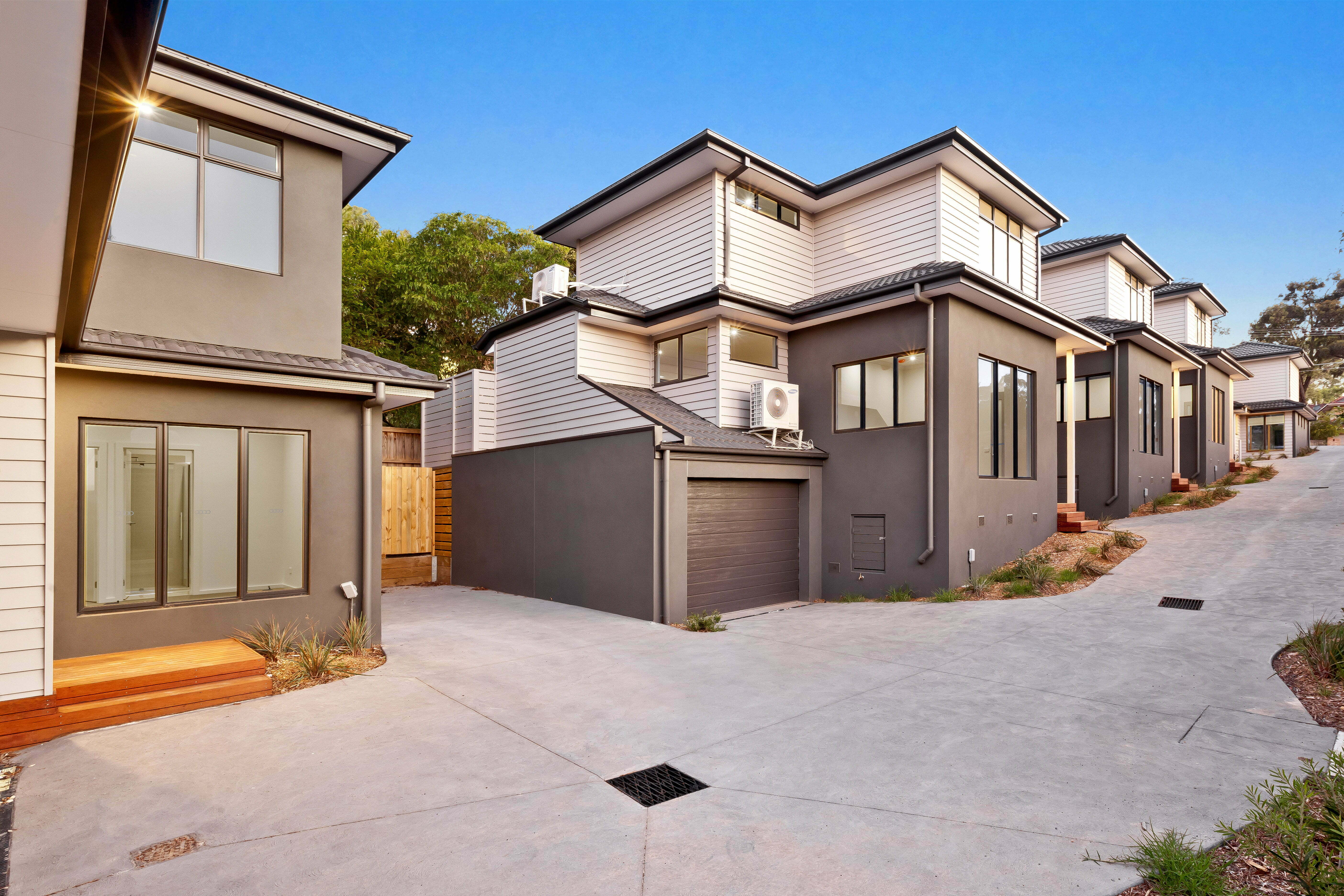
Clear communication protocols and robust contract terms convert design intent into deliverable outcomes by allocating risks, defining scope, and documenting decisions. Contracts should explicitly define the scope of work, inclusions/exclusions, payment milestones linked to completed, verifiable milestones, variation processes, latent conditions handling, and clear defect liability provisions. Regular cadence, weekly site reports, scheduled decision gates, and documented approvals reduce ambiguity and speed resolution when unforeseen issues arise. The checklist below outlines contract and communication essentials to include before signing and during construction to prevent typical bespoke build errors.
Key contract and communication checkpoints:
- Ensure scope documents and material specifications are annexed to the contract.
- Require a payment schedule tied to completed, verifiable milestones (not dates alone).
- Define the variations process with approval thresholds and documented cost/time impacts.
- Include latent conditions handling and provisional sums with clear allocation of risk.
- Establish a communication protocol: single-point contact, regular site meetings, and written weekly reports.
A contract coupled with a transparent communication rhythm reduces disputes and aligns expectations; next, we break down the most important clauses to review in plain language.
What Are the Key Contract Clauses to Understand Before Signing?
Before signing, focus on the clarity of the scope, inclusions and exclusions, the payment schedule, the variations clause, and the defects liability and warranty periods. Scope clarity prevents surprise costs from omitted items; a detailed payment schedule tied to deliverables protects both parties and ensures cash flow discipline. Variations clauses should specify approval steps, pricing method, and allowable time extensions; latent conditions clauses should allocate discovery risk reasonably with transparent remediation pricing.
Warranties and defect liability periods should be explicit about what is covered, response times, and remedial obligations. These clauses define the risk allocation and are essential to preventing the types of budget and timing issues that commonly derail bespoke projects.
The following table compares common contract types to show how transparency and risk allocation differ by approach.
| Contract Form | Transparency | Risk Allocation | Best Use Case |
| Fixed-price | Medium to High if the scope is detailed | The builder assumes most cost risk | Well-defined projects with complete designs |
| Cost-plus | High transparency of cost components | The owner bears the cost variance risk | Early-stage design with flexible scope |
| Design & Construct | Variable transparency depending on the brief | Shared risk with integrated delivery | When speed and single-point responsibility are priorities |
Understanding contract form helps you match procurement to project certainty and design completeness; choose the form that aligns with your appetite for risk and the stage of design maturity.
How Can Transparent Communication Reduce Project Delays and Disputes?
Transparent communication reduces delays by creating predictable decision windows, recording approvals, and ensuring information flows between architects, trades, and clients. Implement a decision register that records who decided, when, and the documented instruction; use weekly site reports that summarise progress, upcoming decisions, and potential risks.
Set response-time expectations for client approvals and a formal process for urgent decisions to avoid hold-ups. This structured approach to communication prevents informal instructions from becoming disputed variations and maintains schedule integrity by making decision impacts visible to all parties.
A practical communication cadence to adopt:
- Weekly site meeting: Review progress, safety, and immediate decisions.
- Bi-weekly written report: Status update, upcoming milestones, and variations log.
- Gateway approvals: Formal sign-offs at design, procurement, and slab/roofing stages.
Consistent documentation and a single-point contact for project queries materially reduce the likelihood of ambiguous instructions becoming costly disputes.
What Quality and Material Mistakes Should You Avoid in Bespoke Home Construction?
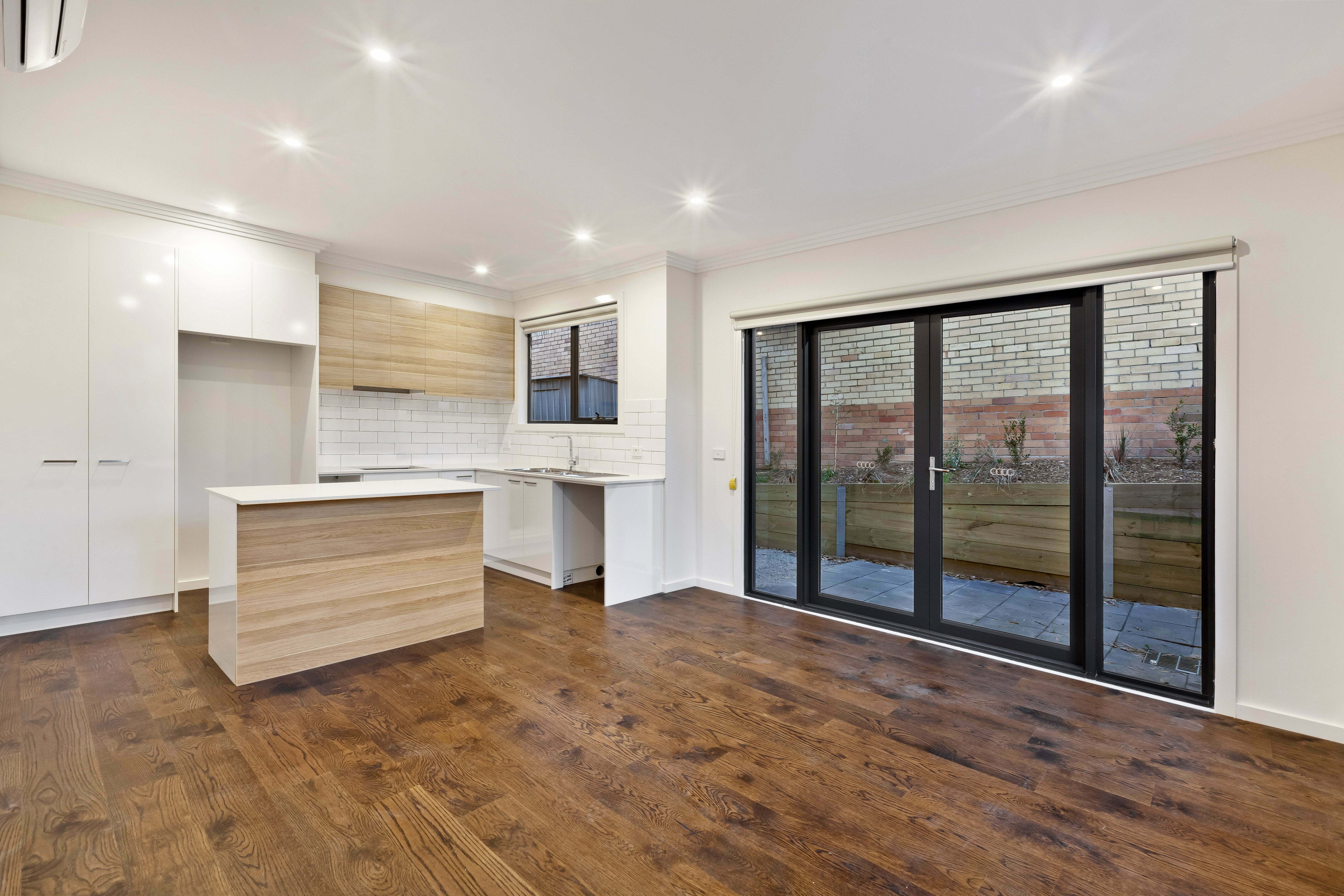
Quality failures usually result from unspecified material grades, inadequate trade coordination, weak inspection regimes, and unclear snagging and handover processes. Selecting premium materials without specifying grade and installation standards invites substitution; insufficient in-process inspections allow installation errors to persist until snagging, increasing rework.
A robust quality assurance programme includes pre-start inspections, scheduled trade audits, staged hold points, and a rigorous handover snag list with clear defect liability procedures. The next subsections cover how materials influence longevity and the practical QC checkpoints to insist on.
How Do Premium Materials Influence Longevity and Luxury Appeal?
Premium materials like timber, natural stone, and high-performance glazing elevate aesthetic appeal but also bring specific installation and maintenance requirements that directly affect longevity. The right material choice balances durability, maintenance burden, and the intended luxury expression; specifying grade, edge treatments, and sealing standards in the contract prevents substitution and performance disappointment.
For example, certain timbers require protective coatings and controlled humidity installation; stone needs specified fixings and sealing regimes. Insist on manufacturer installation instructions, warranties, and maintenance schedules being attached to contractual documents to preserve both finish quality and long-term value.
| Material | Longevity | Maintenance | Luxury Appeal |
| Timber (solid, engineered) | High when specified correctly | Regular maintenance, refinishing | Warm, tactile high-end finish |
| Natural stone (marble, granite) | Very high with correct installation | Sealing and careful care | Strong prestige signal, high cost |
| High-performance glass | High (thermal coated) | Low maintenance, specialist cleaning | Modern aesthetic, high daylighting value |
This material comparison helps align specifications with desired performance and long-term upkeep responsibilities.
What Role Does Quality Control Play in Ensuring Impeccable Craftsmanship?
Quality control is a sequence of checkpoints from pre-start material verification through staged inspections, snagging, and defect management that ensures finishes meet the specified standard. A recommended QC regime includes pre-start verification of key materials and samples, scheduled inspections at critical milestones (foundations, frame, waterproofing, finishes), a structured snag list compiled by a neutral party, and documented rectification timelines during the defects liability period.
Third-party inspections or certification for specialised systems (where appropriate) further reduce risk. Documented QC reduces warranty claims, protects finish quality, and provides evidence in the event of disputes, ensuring the bespoke vision is realised at handover.
QC checkpoints to insist on:
- Pre-start sample sign-offs for finishes and material grades.
- Hold-point inspections at critical construction stages.
- Independent snagging inspection before handover.
- Clear defects rectification timetable linked to the final payment.
These measures convert intent into verifiable outcomes and materially lower the incidence of finish-related defects.
How Can Striking Constructions Help You Avoid These Common Bespoke Home Building Mistakes in Melbourne?
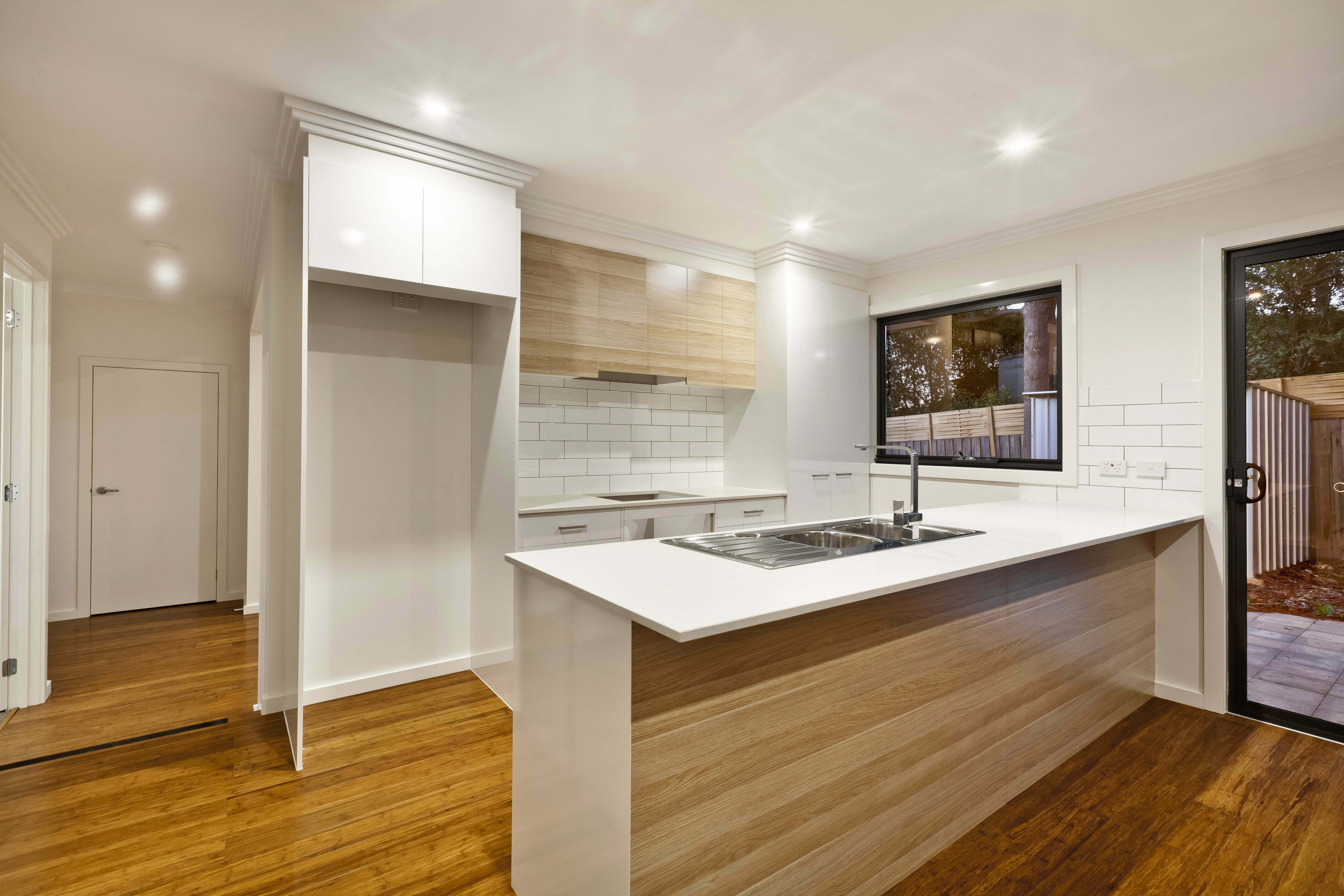
Striking Constructions Pty Ltd positions itself as a Melbourne-based construction company specialising in expansive architectural, luxury residential, and commercial building projects, emphasising craftsmanship, premium materials, and visionary concepts. Their approach to bespoke builds is structured around documented processes that align design, procurement, and on-site delivery to reduce the typical mistakes outlined in this guide.
The firm showcases project evidence through a gallery and profile that prospective clients can request to assess portfolio relevance and finish quality. Below are concise examples of processes and client outcomes that illustrate how transparent procurement, staged quality control, and proactive communication mitigate selection risk.
What our process focuses on:
- Design alignment and scope definition: Early architect–builder integration to fix constructable details.
- Transparent pricing and provisional sum management: Detailed allowances and specification attachments.
- Scheduled communication and single-point project management: Weekly site meetings, decision logs, and regular client reports.
- Rigorous quality control: Sample sign-offs, milestone inspections, and structured snagging at handover.
How Do Our Transparent Processes and Premium Materials Ensure Project Success?
Striking Constructions applies a consistent project playbook: confirm scope and material specifications at contract, secure critical long-lead items with formal procurement schedules, maintain a documented variations register, and conduct staged inspections tied to payment milestones. Quality control steps include pre-start sample approvals, milestone hold points, and an independent snag inspection before handover to ensure any defects are captured and remedied within the defects liability period.
The company emphasises premium materials and artisan trades to deliver the intended luxury expression while documenting warranties and maintenance guidance for the client. Prospective clients seeking a consultation can request portfolio evidence and discuss project-specific verification steps to confirm fit and capability.
This business integration underscores how procedural transparency, specialist trades, and premium material specification translate the general advice in this guide into deliverable outcomes, reducing the selection and delivery risks that commonly undermine bespoke home projects in Melbourne.
Building a bespoke luxury home in Melbourne is a significant investment, and choosing the right builder determines whether your vision becomes reality or a costly regret. By avoiding the mistakes outlined in this guide, such as superficial vetting, price-focused selection, and inadequate quality control, you protect both your capital and your architectural vision. If you're ready to work with a builder who prioritises transparency, verified expertise, and documented quality assurance, Striking Constructions invites you to request a consultation. Let's transform your vision into a luxury residence that stands the test of time.
How Luxury Home Builders Melbourne Create Homes That Elevate Living and Long‑Term Value
Melbourne luxury custom homes pair considered architectural intent with high‑performance building systems to create living environments that improve everyday comfort and strengthen long‑term asset value. In this guide, we define what makes a home “luxury” in Melbourne, explain design strategies that lift lifestyle, show how specific build choices add market value, outline the bespoke build process, and describe how sustainability and smart systems are integrated into premium homes.
You’ll find practical design features, clear value drivers, and the quality‑assurance checks that protect an owner’s investment while making daily life better. We focus on evidence‑led mechanisms and why premium materials, spatial planning, and automation deliver both lifestyle gains and resale advantage. Also, we translate those mechanisms into client‑facing choices you can use when briefing a builder.
We also explain how a Melbourne‑based specialist like Striking Constructions brings process and portfolio transparency to help owners make confident decisions.
What defines a luxury home in Melbourne?
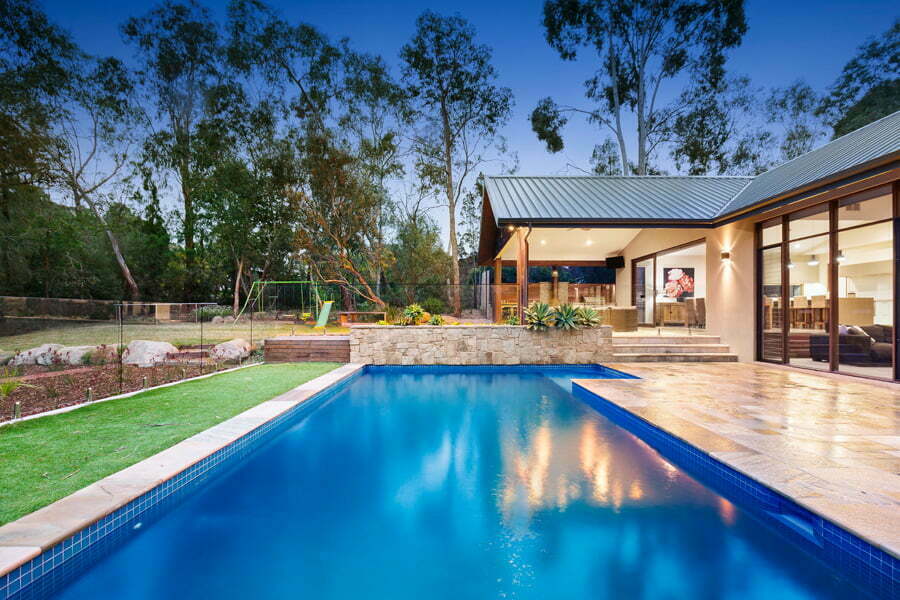
In Melbourne, a luxury home is shaped by bespoke design, high‑grade materials, site‑sensitive architecture, and well‑proportioned amenity spaces that together create superior liveability and market appeal. These elements work in concert: thoughtful orientation and thermal planning cut running costs, while meticulous joinery and finishes deliver tactile interiors that last.
The Location and contextual design that responds to Melbourne’s climate and streetscape further amplify perceived value and everyday comfort. Knowing these core attributes helps owners prioritise investments that reward both daily enjoyment and resale strength.
Which bespoke design elements elevate Melbourne luxury homes?
Bespoke spatial planning arranges circulation, sightlines, and room adjacencies around how a household actually lives, producing spaces that feel effortless and intentional. Custom joinery, considered material palettes, and signature architectural moves. For example, double‑height entries, integrated lighting coves, and concealed service zones create memorable sequences that enhance lifestyle without compromising utility.
Designers also focus on ergonomic kitchens, flexible entertaining wings, and private retreats that adapt over time, increasing long‑term usability and buyer appeal. These tailored decisions form the architectural signature that sets luxury custom homes apart from standard builds.
How do premium materials and impeccable craftsmanship improve quality?
Choosing durable materials such as engineered timber, structural glass, and refined stone adds longevity, tactile richness, and lower long‑term maintenance when they are specified and installed correctly. Craftsmanship is the force that turns good materials into lasting value: accurate joinery, tight tolerances, and consistent finishes prevent premature failures and preserve appearance.
High‑quality systems and trades reduce lifecycle replacement costs and give premium buyers confidence that the home was built to exacting standards. Together, material selection and workmanship improve daily experience and signal durability to future purchasers, strengthening resale prospects.
How do luxury home builders Melbourne enhance lifestyle through design?
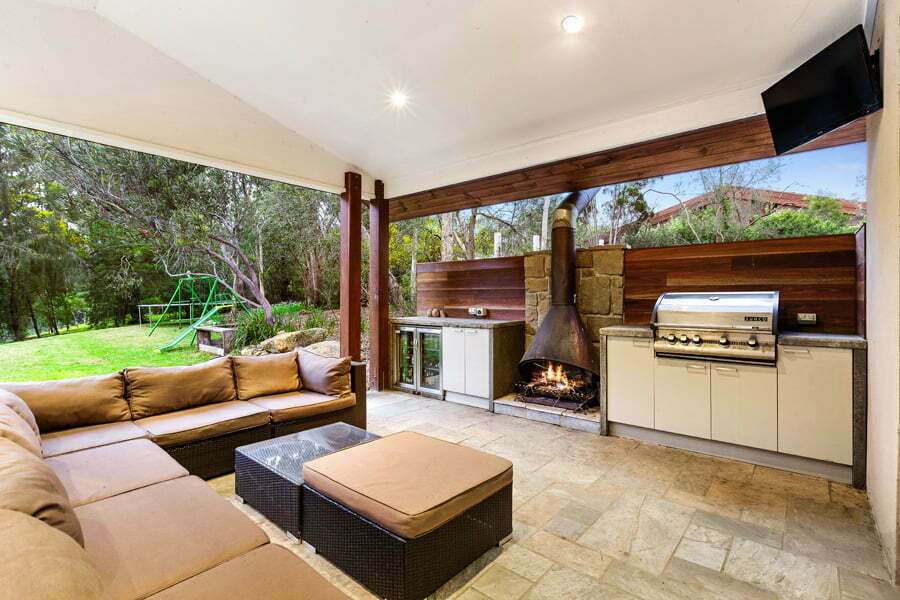
Luxury home builders Melbourne lift lifestyle through targeted design strategies that remove daily friction, support well-being, and create spaces for living and entertaining. Typical approaches include integrating smart automation for convenience and security, designing seamless indoor–outdoor connections for year‑round use, and providing bespoke amenity spaces, home gyms, theatres, and chef‑scale kitchens tailored to the owner’s priorities.
Each strategy operates through clear mechanisms: automation streamlines routines, indoor–outdoor planning expands usable living area, and purpose‑built amenities support hobbies and well-being, producing measurable improvements in time use and occupant satisfaction. The table below summarises common lifestyle features, their mechanism, and the experiential value they deliver.
Different lifestyle features provide distinct day‑to‑day benefits through predictable mechanisms.
| Feature | Mechanism | Experiential Value |
| Smart Lighting & Scenes | Automated control and presets | Saves time, enhances comfort and security |
| Indoor–Outdoor Flow | Retractable glazing and covered terraces | Expands usable space and improves entertaining |
| Bespoke Amenity Rooms | Purpose‑designed interiors | Supports hobbies, wellness and social life |
These examples show how specific design choices translate directly into easier routines and better well-being, and they form the core brief when aiming to raise lifestyle through architecture.
What smart home technologies are integrated for effortless living?
In Melbourne’s luxury market, smart systems commonly include centralised lighting, zoned climate control, whole‑home AV and integrated security accessible from a single interface. These systems reduce time spent managing the home by automating scenes and schedules, while improving comfort with responsive climate zones and energy‑aware control.
Integration prioritises open protocols and future‑proofing so systems remain serviceable for years, and a clear UX prevents complexity from undermining usability. Rigorous commissioning guarantees these technologies deliver the intended lifestyle benefits reliably over time.
Smart home technology: benefits for quality of life and value
Interconnected, intelligent home products are reshaping domestic life by automating routine tasks, enabling remote control, and improving time use. By monitoring, optimising, and automating everyday actions, smart home systems reduce wasted time, improve comfort and create new convenience. Trends reflected in growing global adoption and emerging market value. As a result, smart home capability has become an important differentiator for companies operating in this space.
Smart home: state of the art and key factors for value creation, 2019
How does seamless indoor–outdoor living improve daily comfort?
Seamless indoor–outdoor design expands usable living area and increases daylight and natural ventilation, which directly supports wellbeing and lowers dependence on mechanical systems. Effective responses include large sliding or folding doors, covered terraces that work in changeable weather, and cross‑ventilation strategies informed by Melbourne’s seasonal winds and sun paths.
These moves create flexible entertaining zones and private outdoor retreats while improving thermal comfort and daylight distribution. Attention to finishes, shading, and drainage ensures the extended envelope performs year‑round without adding maintenance headaches.
After outlining design‑driven lifestyle benefits, it’s useful to see how a local specialist applies these solutions. At Striking Constructions Pty Ltd, a Melbourne builder specialising in expansive architectural and luxury residential projects, we combine artistry with technical rigour to deliver lifestyle‑led outcomes.
Our approach focuses on clear briefs, integrated systems, and premium materials to achieve indoor–outdoor flow and advanced automation tailored to household routines. Prospective clients review portfolios and process summaries to see how these strategies translate into finished homes and the everyday owner experience.
In what ways do luxury homes increase property value in Melbourne?
Luxury homes raise property value through architectural distinction, long‑lasting materials and systems, and features that broaden appeal among premium buyers. Strong design creates scarcity and preference, while robust materials and systems lower lifecycle costs and reduce resale risk.
Sustainability measures and smart technology further differentiate a property by cutting operating costs and appealing to environmentally and technically minded buyers. Together, these mechanisms boost both price potential and resilience in Melbourne’s premium housing market.
Which architectural features drive long‑term property appreciation?
Timeless design language, well‑proportioned rooms, considered orientation, and adaptable floorplates are features buyers reward with premium pricing. Attributes such as generous ceiling heights, clear sightlines to outdoor spaces, and durable external finishes enhance kerb appeal and perceived quality.
Design adaptability spaces that can be repurposed as needs change widens marketability across buyer profiles and reduces future renovation risk. These architectural choices act as long‑term value drivers by combining aesthetics, function, and durability.
What are the financial benefits of custom luxury home builds?
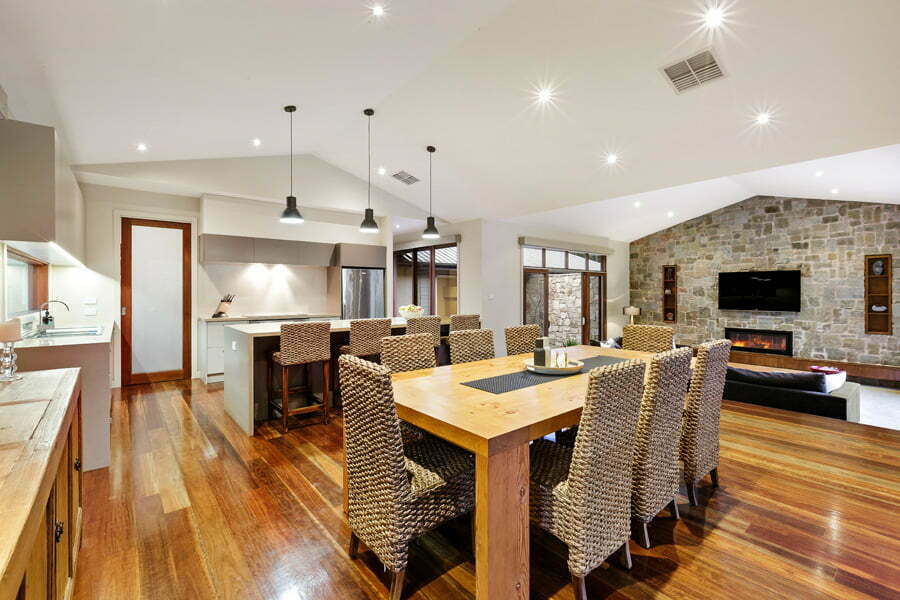
Custom luxury builds can command resale premiums by offering a differentiated product compared with mass‑market stock, attracting buyers willing to pay for quality and uniqueness. Long‑term financial benefits include lower maintenance and replacement costs due to durable materials and often faster sales in premium segments where design and finish quality matter most.
Owners should view a bespoke luxury build as a blended investment: measurable resale upside plus high personal utility that often outweighs short‑term returns. Understanding how buyers value architecture and systems helps owners direct budgets to the choices that deliver the greatest market impact.
Different architectural investments influence value through distinct buyer‑facing attributes.
| Architectural Element | Buyer‑Facing Attribute | Market Impact |
| Timeless façade and detailing | Perceived longevity and style | Higher buyer confidence |
| High‑performance envelope | Lower operating costs and improved comfort | Broader buyer appeal |
| Flexible floor plan | Adaptability for future owners | Reduced time on market |
This comparison highlights which architectural moves most consistently convert into market advantage and helps prioritise investment decisions.
What is the bespoke building process used by Melbourne’s luxury builders?
The bespoke luxury build follows a clear sequence: briefing and feasibility, design development, statutory approvals, detailed documentation and construction, then commissioning and handover. Each phase includes checkpoints for client decisions, cost reviews, and quality assurance to keep the project aligned with its objectives.
A well‑designed process reduces surprises by exposing buildability and compliance issues early, and a thorough commissioning stage verifies systems and finishes before practical completion. Knowing these stages helps owners plan decision timing, financial staging, and engagement with consultants and trades.
- Initial consultation and brief to map lifestyle priorities, budget, and site constraints.
- Design development schematic to detailed design with client workshops.
- Approvals and documentation were prepared for compliance and contractor pricing.
- Construction with staged inspections, quality checks, and contractor coordination.
- Commissioning, snagging, and handover with documentation and operating instructions.
The numbered process outlines typical milestones and decision points, giving owners a straightforward roadmap when considering a bespoke luxury build and preparing them for the collaborative journey ahead.
How does client collaboration shape custom luxury homes?
Client collaboration is central to a bespoke outcome: it translates daily routines and priorities into spatial decisions, material choices, and systems specifications. Regular workshops, design reviews, and material sampling sessions keep the project aligned and reduce late‑stage changes that add cost and delay.
Clear documentation and agreed decision schedules create accountability and help trades deliver consistent finishes, while iterative feedback lets the design evolve without losing coherence. Setting communication protocols at the outset makes collaboration efficient and ensures the finished home reflects the owner’s lifestyle objectives.
What quality assurance measures ensure superior construction?
Quality assurance on luxury projects includes detailed material inspections, continuous site supervision by experienced managers, staged third‑party testing where needed, and formal commissioning of mechanical and electrical systems. These measures confirm workmanship meets the specifications that underpin durability and performance and that defects are identified and resolved before handover.
Warranties, maintenance manuals, and comprehensive handover records complete the assurance package that protects both owners and future buyers. A strong QA system ties procurement choices to on‑site verification, closing the gap between design intent and delivered quality.
To illustrate a high‑level bespoke approach, Striking Constructions describes its process succinctly: a focus on thorough briefing, coordinated design, and pragmatic construction sequencing that protects design intent while managing build risk. Our model emphasises staged client approvals, specialist coordination for premium materials, and commissioning checks for integrated systems to ensure the home performs as designed. This transparent approach builds client confidence while preserving the independent design and fabrication decisions owners must make.
How are sustainable and smart luxury homes designed in Melbourne?
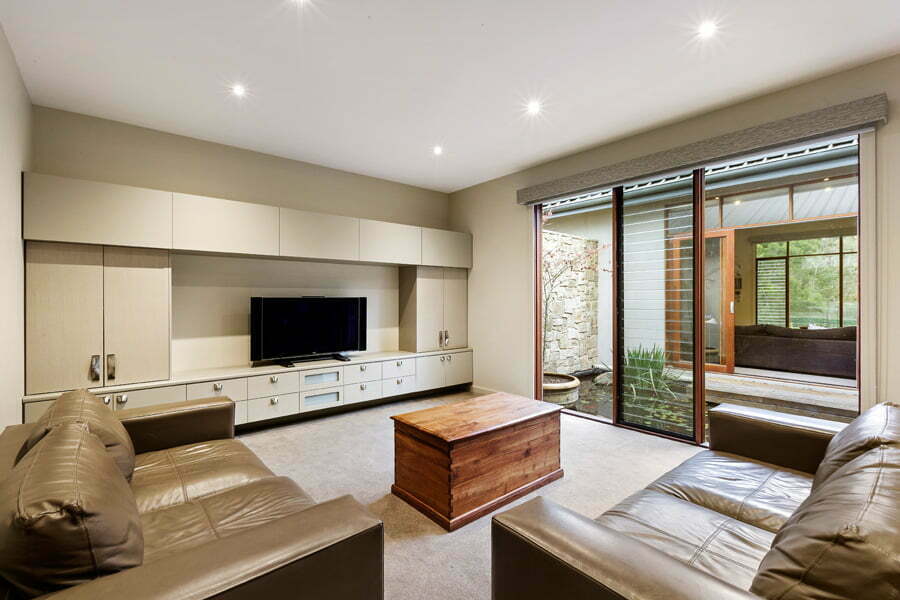
Sustainable, smart luxury homes combine passive design, a high‑performance envelope, and integrated renewable and automation systems to deliver comfort, resilience, and lower operating costs. Passive measures reduce heating and cooling demand; upgraded glazing, insulation, and thermal mass stabilise indoor conditions.
Smart systems, energy monitoring, automated shading, and load management optimise consumption and integrate with on‑site renewables, improving both the environmental and economic performance of the home. Blending sustainability with premium finishes requires lifecycle thinking, so refined aesthetics coexist with lower environmental impact.
Design features for sustainable high‑end residences
Research highlights the value of sustainable design methodologies in high‑end residences. Passive strategies can reduce reliance on active systems, improve resilience to extreme weather, and create healthier, more energy‑efficient homes. These findings are useful to architects, interior designers, and developers aiming to deliver resilient, sustainable luxury homes that meet the expectations of discerning clients.
Applicability of Architectural Design Features in Contemporary Luxury Houses, MWH Jyi, 2023
Sustainable measures differ in upfront cost and lifecycle benefit; owners should evaluate interventions by likely operational savings and longer‑term value rather than initial price alone.
| Measure | Characteristic | Likely Value |
| Solar PV + battery readiness | On‑site generation and storage | Reduced grid reliance and lower operating costs |
| High‑performance glazing | Improved thermal control | Greater comfort and reduced HVAC demand |
| Low‑embodied‑carbon finishes | Material selection strategy | Enhanced sustainability credentials |
This table helps owners weigh options by mechanism and long‑term benefit rather than upfront cost alone, guiding smarter specification decisions in luxury builds.
What sustainable building practices are used in luxury home construction?
Luxury builds commonly use passive solar orientation, high levels of insulation, thermal mass strategies, and advanced glazing to cut operational energy and improve comfort. Durable, low‑maintenance materials with lower embodied carbon are specified where possible to align aesthetics and environmental goals.
Water‑sensitive landscaping, efficient fixtures, and rainwater capture reduce mains demand, especially on properties with extensive outdoor amenities. Together, these practices reduce lifecycle costs and create homes that perform well for owners and future buyers.
How does smart home automation enhance luxury living?
Smart automation coordinates lighting, shading, HVAC, and energy systems to follow occupant patterns and optimise efficiency without constant manual input. Automation scenes, wake, away, entertain, simplify daily routines, and deliver consistent comfort.
Energy‑optimisation schedules reduce peak consumption and can prioritise renewable generation, while integrated security systems improve peace of mind. Future-proofing through modular, open‑standard platforms keeps the home serviceable and attractive to tech‑savvy buyers.
Why choose Striking Constructions for luxury custom homes in Melbourne?
At Striking Constructions, we specialise in expansive architectural and luxury residential projects that blend artistry, innovation, and refined delivery. Our value lies in premium material selection, meticulous craftsmanship, and expert coordination across specialist trades to protect design intent and performance.
We publish clear portfolios and explain our process so prospective clients can assess past outcomes and understand the project journey before committing. For owners seeking a builder who pairs bold design with accountable construction management, our clarity and attention to detail support confident decisions.
What unique value propositions set Striking Constructions apart?
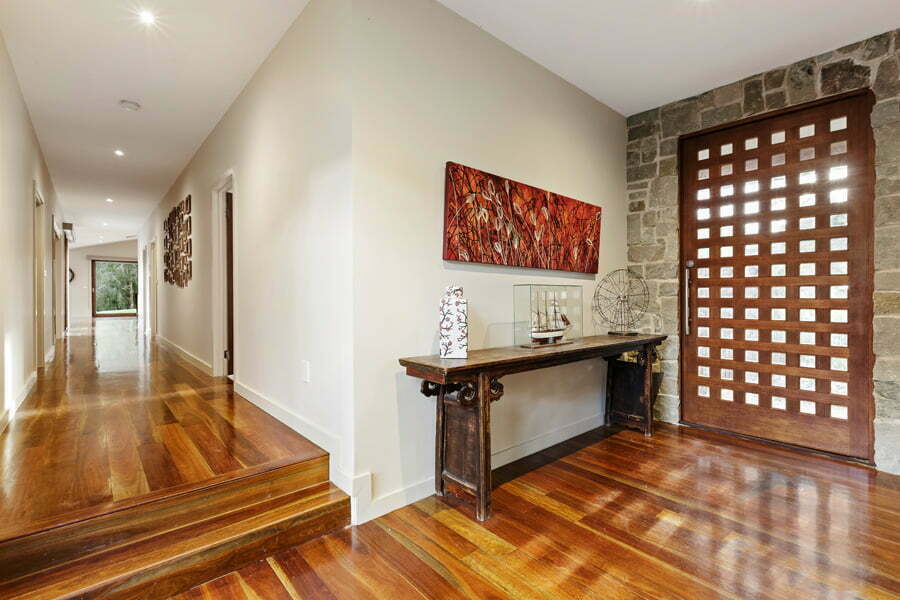
We combine creative architectural collaboration with disciplined technical delivery, specialising in high‑end residential projects where design complexity and premium materials require careful coordination. Our commitment to premium materials and craftsmanship secures both lifestyle quality and asset durability.
We use staged reviews, specialist subcontractor coordination, and commissioning checks to reduce risk and keep the project aligned with client priorities. The result: homes that are distinctive, dependable, and built to perform in market terms.
How do client testimonials and project portfolios reflect excellence?
Curated project portfolios and considered client feedback demonstrate delivery and client experience without replacing independent due diligence. Good portfolios include measurable outcomes, sharp imagery, and concise captions that explain design intent and results. Case studies with metrics such as energy performance improvements, durability notes, or market reception help prospective clients understand the tangible benefits of premium choices.
Structuring testimonials for clarity and pairing them with photographic documentation and process notes builds trust and aids discovery. Together, well‑presented portfolios and validated client commentary are central to deciding on a luxury custom home builder.
We invite prospective clients to request a consultation to explore how bespoke design, premium materials, and integrated systems can be aligned to deliver both lifestyle improvements and lasting property value. Our approach combines a focused creative brief with disciplined delivery mechanisms to translate architectural vision into a high‑performing home.
- Request a consultation to map lifestyle priorities and site constraints.
- Review portfolio examples to assess design and finish alignment.
- Agree on a staged process that clarifies decisions, cost controls, and QA touchpoints.
Conclusion
Building a luxury custom home in Melbourne enhances everyday living and strengthens long‑term property value. By prioritising bespoke design, premium materials, and smart systems, you create a home that performs beautifully and holds its worth.
Working with a trusted builder like Striking Constructions ensures your vision is realised with care, precision, and transparent delivery. When you’re ready, request a consultation, and let’s start turning your brief into a high‑performing home.
Why Homeowners Are Choosing Luxury Custom Home Builders Melbourne Over Pre-Designed Homes
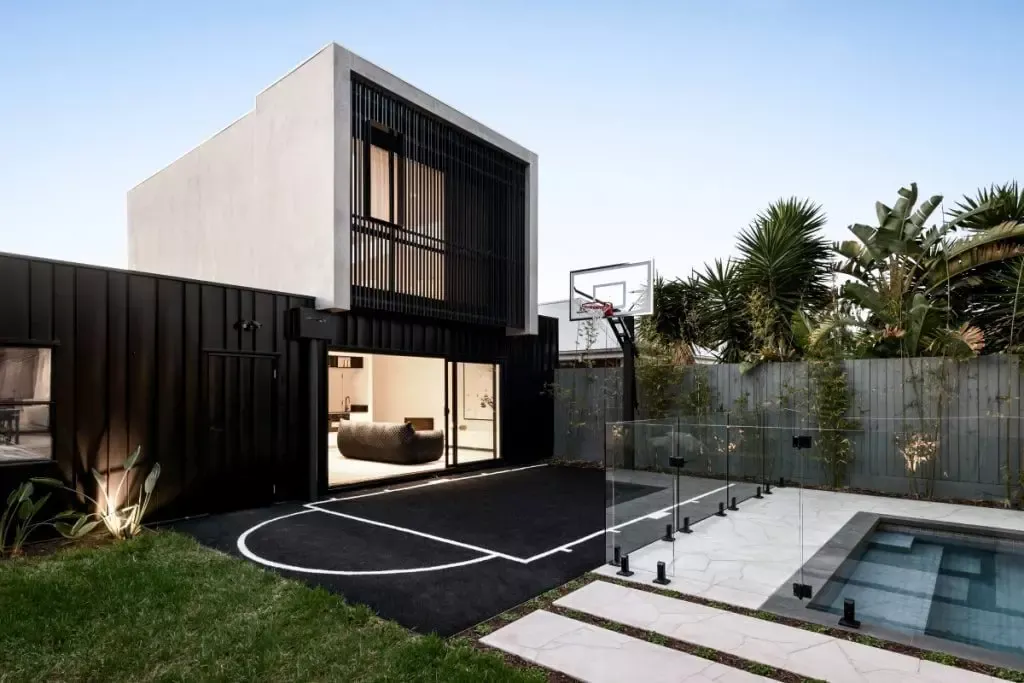
Choosing between a pre-designed home and a luxury custom-built home in Melbourne is a decision about lifestyle, long-term value, and how a home responds to its site and climate. This article explains why an increasing number of homeowners prefer custom home builders in Melbourne, highlighting personalisation, architectural integrity, premium materials, energy efficiency, and resale upside.
Homeowners will learn how tailored architectural design improves daily living, why craftsmanship materially affects durability and marketability, how sustainable features reduce operating costs, and what to expect from the custom building process from concept to handover. The guide maps direct comparisons with pre-designed or volume builders, practical checklists for materials and quality control, EAV-style decision tables for trade-offs, and process timelines to clarify expectations.
What Are the Key Advantages of Choosing Custom Home Builders Melbourne?
Custom home building delivers homeowners precise alignment between architectural intent and daily use by enabling site-responsive design, high-quality workmanship, and material selection that together enhance comfort, durability, and long-term value. The mechanism is simple: design choices tailored to the lot, climate, and household routines reduce wasted space, increase energy performance, and create desirable features that attract buyers later.
Primary advantages include personalisation, superior craftsmanship, access to premium materials, integrated energy-efficiency strategies, and stronger resale potential each contributing to a measurable difference in life quality and ownership cost. Understanding these advantages helps homeowners prioritise decisions that matter most during planning and construction.
The key advantages can be grouped and summarised as follows:
- Personalised layout and finishes that match lifestyle and function.
- Craftsmanship and quality control that reduce defects and maintenance.
- Premium material selection that extends lifespan and aesthetic value.
- Passive and active energy strategies that cut running costs.
- Site-specific solutions that optimise outlook, light, and privacy.
These benefits make custom builds particularly attractive for owners who value longevity and distinctive architecture, and they naturally lead into how personalisation works at the design level.
How Does Personalised Architectural Design Enhance Your Home?
Personalised architectural design tailors spatial planning, orientation, and finish choices to a household’s routines and the lot’s constraints, producing homes where circulation, daylight, and acoustics are intentionally resolved. By aligning room placement with solar orientation and prevailing breezes common to Melbourne suburbs, a bespoke design improves natural comfort and reduces reliance on mechanical heating and cooling.
Functionally, custom layouts deliver storage solutions, dedicated work or multi-generational zones, and bespoke kitchen and entertaining flows that pre-designed plans rarely accommodate. The outcome is a residence that supports daily life efficiently while delivering a distinctive aesthetic character that resonates with the owner's identity and future buyers.
This emphasis on site and lifestyle dovetails into craftsmanship, because exceptional design requires equally exceptional execution to realise the intended performance and finish.
Why Is Impeccable Craftsmanship Important in Custom Homes?
Impeccable craftsmanship ensures that design intent translates into built quality: joinery fits precisely, structural details perform as engineered, and finishes retain their appearance and function over time. Skilled trades reduce the likelihood of defects that cause costly remedial works and accelerate depreciation, so craftsmanship directly influences lifecycle costs and owner satisfaction.
High standards in structural detailing and skilled finishing also create the premium tactile and visual experience buyers expect in the luxury market. Maintaining these standards requires rigorous quality control during construction, which is explored later in the process section.
Strong workmanship also allows premium materials to perform as intended, which leads to careful selection and procurement of those materials.
How Do Premium Materials Impact the Longevity and Value of Your Home?
Choosing premium materials such as natural stone cladding, engineered hardwood, and high-performance glazing affects durability, maintenance profiles, and perceived market value across a home’s lifecycle. Better materials often have longer warranty terms, superior weather resistance in Melbourne’s variable coastal and inland climates, and retain finishes that appeal to luxury buyers.
When combined with skilled installation, premium materials reduce long-term repair cycles and support higher resale premiums compared with standard-grade finishes. Evaluating cost-to-benefit and lifecycle outcomes helps homeowners allocate budget where materials will deliver the greatest return.
Recognising the role of materials points naturally to energy-efficiency strategies that compound both comfort and value benefits.
What Role Does Energy Efficiency Play in Custom Home Construction?
Energy efficiency in custom homes starts with passive design orientation, insulation, glazing, and massing and is amplified by efficient HVAC systems, smart controls, and renewables where appropriate. The mechanism is cumulative: passive measures reduce heating and cooling loads, enabling smaller, more efficient mechanical systems and lower operating costs.
In practice, energy-efficient choices can reduce annual utility bills significantly and improve occupant comfort year-round, while sustainable credentials increasingly influence luxury buyers. Implementing these measures during design and construction also avoids expensive retrofits later and contributes to measurable lifecycle savings.
Improved energy performance and premium finishes together enhance resale prospects, which is discussed next.
How Does Custom Home Building Maximise Resale Value?
Custom homes maximise resale value by combining unique architectural features, superior finishes, and demonstrable performance advantages such as energy efficiency and low maintenance, that appeal to discerning buyers. Scarcity of well-executed bespoke features in a market dominated by volume-built stock creates a premium for thoughtfully designed homes that respond to site and lifestyle.
Buyers also pay for certainty: when quality control and warranties are documented, perceived risk declines and saleability increases. Summarily, bespoke design and construction create distinct market differentiation that can translate into measurable resale uplift when positioned to the right buyer segment.
To see how these homeowner advantages compare to conventional approaches, the next section presents a concise objective comparison.
For those seeking high-value leads and conversions in the luxury market: To attract and convert high-value clients for luxury residential and commercial construction projects by showcasing expertise, quality, and successful past projects, leading to enquiries and consultations.
How Do Custom Home Builders in Melbourne Differ from Pre-Designed or Volume Builders?
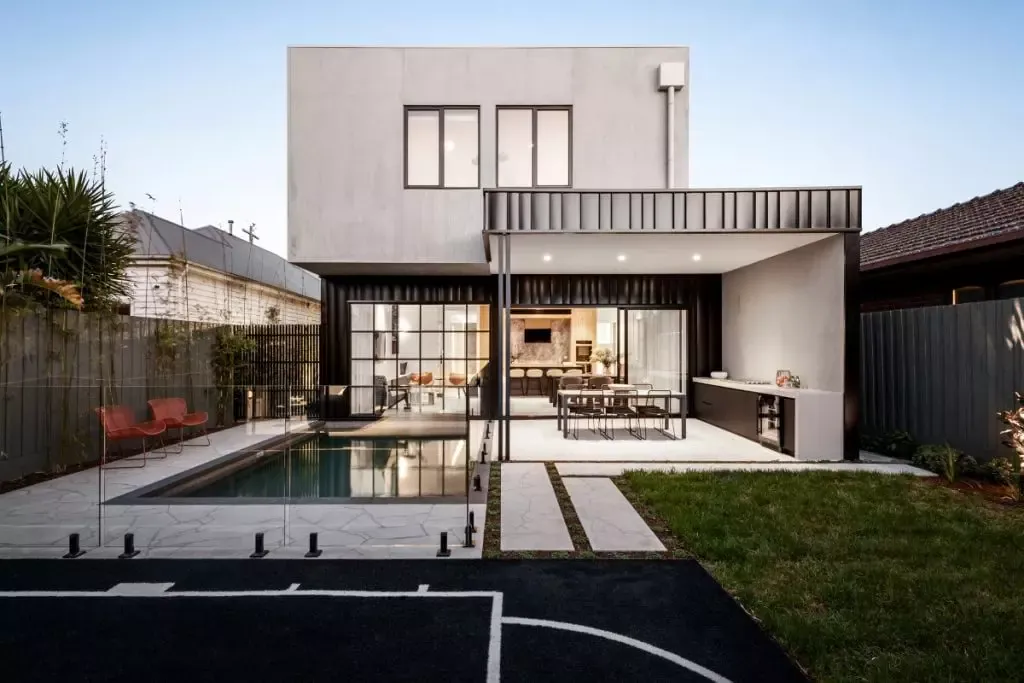
Custom builders differ from pre-designed or volume builders primarily in design flexibility, material sourcing, craftsmanship standards, cost structure, timeline, and client collaboration. The defining mechanism is customisation: custom builders adjust architecture to site, client needs, and aspirational finishes, while volume builders prioritise repeatable plans and economies of scale.
Resulting differences affect lifecycle performance, aesthetic uniqueness, and long-term value. Below is a compact comparison to illustrate the most relevant contrasts for homeowners making this choice.
- Custom: Tailored plans, bespoke materials, frequent owner collaboration.
- Pre-Designed: Fixed plans, standardised materials, limited customisation.
- Volume: Economy-driven, short production timelines, lower material variability.
This comparison makes clear why clients who prioritise individuality and long-term performance tend to choose custom builders. The next table provides a side-by-side EAV comparison of key attributes.
| Feature | Custom Home Builders | Pre-Designed / Volume Builders |
|---|---|---|
| Design Flexibility | Fully site- and client-tailored | Limited; set plans with minor options |
| Material Quality | Bespoke sourcing; premium options | Standardised, cost-led selections |
| Timeline | Longer; includes design & approvals | Shorter build cycles for standardised plans |
| Cost Profile | Higher upfront, value-focused allocation | Lower upfront; limited scope for upgrades |
| Resale Value | Often higher due to uniqueness & quality | Typically average; dependent on market trends |
This table clarifies the trade-offs homeowners should evaluate when choosing their path and leads to cost and collaboration differences that influence decision-making.
What Design Flexibility Do Custom Builders Offer Compared to Volume Builders?
Custom builders offer virtually unrestricted layout, façade, and materials choices, enabling solutions such as split-level plans, bespoke external cladding, and integrations like indoor–outdoor living tailored to a site’s slope or view. This flexibility allows homeowners to prioritise features that serve long-term needs uncommon in volume-built homes, where floor plans and facades are templated.
The result is a home that physically reflects occupant routines and future-proofing goals like adaptable zones for aging-in-place or home working. Clients should weigh this flexibility against schedule and budget implications during the design brief stage.
Design flexibility ties directly to material and build quality differences covered next.
How Do Build Quality and Materials Compare Between Custom and Pre-Designed Homes?
Build quality in custom homes is typically higher due to bespoke procurement, closer trade partnerships, and more rigorous site supervision that keep workmanship aligned with the design brief. Custom projects frequently use premium systems, higher-grade glazing, enhanced thermal insulation, and durable external cladding that exceed the baseline of many pre-designed offerings.
Homeowners can verify quality through supplier warranties, material data sheets, and staged inspection records. This higher quality usually reduces maintenance costs and preserves aesthetics longer than mass-market alternatives.
Quality differences influence cost, which brings us to the expense question.
Are Custom Homes More Expensive Than Pre-Designed Homes in Melbourne?
Custom homes are generally more expensive upfront because of tailored design work, bespoke materials, and the labor intensity of high-end finishes, yet the expense is often a deliberate allocation of value rather than pure waste. Key cost drivers include complex site works, premium material selection, and time for detailed finishing trades.
Conversely, pre-designed models save on design fees and benefit from bulk procurement efficiencies. Evaluating total cost should include life cycle economics, lower running costs, and reduced near-term renovations often make bespoke building a sound long-term investment for many owners.
Understanding timelines helps manage expectations and mitigate schedule-related cost risk.
What Is the Typical Timeline Difference Between Custom and Volume Builds?
Custom builds typically require longer lead times due to extended design development, engineering, planning approvals, and bespoke procurement phases that precede physical construction, whereas volume builds move faster because plans are pre-approved and procurement is standardised.
A typical custom timeline includes several months for design and approvals, followed by a construction period that varies with complexity; effective project management can mitigate overruns. Clear scheduling, an early approvals strategy, and supplier coordination shorten delays and create clearer handover windows. Homeowners should plan for a greater time investment initially in exchange for a tailored outcome.
Effective client collaboration practices make these longer timelines manageable and more transparent.
How Does Client Collaboration Differ in Custom Home Building?
Client collaboration in custom building is ongoing and deep: homeowners participate in design reviews, material selections, milestone sign-offs, and periodic site meetings. This collaborative workflow ensures the final home aligns with the brief and reduces costly late changes by catching issues early in the design and documentation stages.
Best-practice collaboration includes a documented decision calendar, regular progress reporting, and transparent change-order mechanisms. Knowing what decisions are required and when helps owners stay engaged without becoming overloaded by operational details.
The next major theme explores why tailored architectural design is particularly meaningful to Melbourne homeowners.
Why Is Personalised Architectural Design a Priority for Melbourne Homeowners?
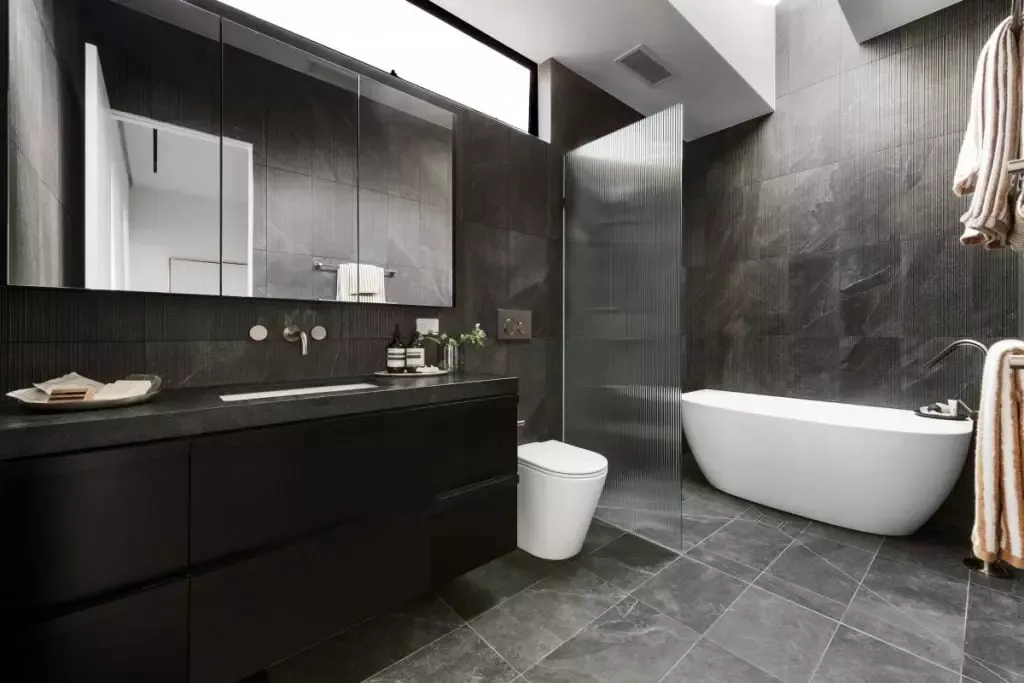
Personalised architectural design responds to Melbourne’s diverse lot typologies, climate variability, and an owner market that values bespoke urban and suburban living solutions. The mechanism is site-specific optimisation: orientation, façade response, and spatial sequencing that suit Melbourne’s light, wind patterns, and neighbouring context. Personalisation also reflects lifestyle trends, home working, flexible living spaces, and indoor–outdoor integration that shape modern luxury expectations.
As owners increasingly demand homes that support both daily function and long-term adaptability, architects and builders who specialise in tailored design meet those expectations more effectively than off-the-shelf options.
Local context and trends will determine how personalisation is prioritised during briefing and design.
How Does Tailored Design Reflect Your Lifestyle and Preferences?
Tailored design captures routines and preferences, zoning for entertaining versus quiet family areas, dedicated home offices, bespoke storage, and accessibility features, creating a home that fits daily life rather than forcing adaptation. Designers translate lifestyle needs into spatial adjacencies, circulation paths, and finish palettes that strengthen both function and identity.
Owners who plan for lifecycle changes (growing family, ageing-in-place) benefit from adaptable elements embedded during design. This homeowner-first orientation enhances satisfaction and reduces the need for disruptive renovations.
Those site-driven choices are the next consideration for performance and comfort.
What Are the Benefits of Site-Specific Custom Home Designs?
Site-specific designs maximise natural light, improve cross-ventilation, and place living areas to capture views while protecting privacy advantages that reduce mechanical loads and enhance occupant well-being. Responding to topography through split-level plans or retaining strategies can minimise earthworks while achieving dramatic spatial outcomes.
Thoughtful orientation and window placement harness solar gains in winter and shading in summer, directly improving energy performance. These outcomes are difficult to replicate in pre-designed packages that ignore site nuance.
Incorporating current architectural trends while retaining timelessness is the final design consideration.
How Do Custom Designs Incorporate the Latest Architectural Trends in Melbourne?
Custom designs can weave contemporary trends such as strong indoor–outdoor connections, generous natural materials, integrated smart-home systems, and passive design strategies into a cohesive, site-responsive composition. Because the entire project is coordinated from the outset, technologies and finishes are integrated discreetly, preserving aesthetics while delivering modern convenience.
Importantly, bespoke projects can blend trend-driven features with timeless proportions and materiality to avoid rapid obsolescence. This balance sustains both lifestyle relevance and resale desirability.
Next, we explore the essential relationship between craftsmanship and premium materials in luxury custom homes.
What Makes Impeccable Craftsmanship and Premium Materials Essential in Luxury Custom Homes?

Impeccable craftsmanship and premium materials are essential because they ensure performance, aesthetic integrity, and longevity of the pillars of luxury construction that justify premium pricing and protect investment. The mechanism is straightforward: superior trades, vetted suppliers, and structured quality control convert design intent into durable outcomes that resist accelerated wear.
Premium materials also interact with skilled installation to deliver expected performance, while poor installation can negate a material’s benefits. Below is an EAV table comparing typical premium materials and their practical benefits for long-term value.
| Material / Technique | Characteristic | Expected Outcome |
|---|---|---|
| Natural stone cladding | High durability; low weathering | Long facade lifespan; strong resale appeal |
| Engineered hardwood joinery | Stable, refinishable surface | Premium interior aesthetic; repairable finish |
| High-performance glazing | Thermal efficiency; solar control | Reduced energy load; improved comfort |
| Structural steel detailing | Precision framing for complex forms | Enables expansive spaces with longevity |
This comparison demonstrates how deliberate materials choices paired with quality installation create lasting value and performance in luxury homes.
How Does Superior Craftsmanship Ensure Long-Term Home Value?
Superior craftsmanship minimises defects, aligns construction with warranty requirements, and preserves aesthetic intent, all of which reduce remediation costs and maintain buyer confidence at resale. The causal chain is clear: fewer defects means lower maintenance, which in turn supports sustained marketability.
Practically, homeowners should look for builders who document staged inspections, supplier warranties, and trade credentials as proof of quality. These practices transform premium specifications into tangible long-term value for owners and future buyers.
Which Premium Materials Are Commonly Used in Melbourne’s Luxury Custom Homes?
Common premium choices include natural stone exteriors, engineered or solid hardwood flooring, high-performance insulated glazing, bespoke metalwork, and superior exterior cladding systems selected for durability in Melbourne’s coastal to inland microclimates. Each material is chosen for a combination of durability, maintenance profile, and aesthetic longevity; for instance, stone offers minimal upkeep, while hardwood provides warmth and refinishing potential.
Material selections should align with site conditions and the homeowner’s maintenance expectations to preserve value. Communicating preferences early in design ensures materials are sourced and detailed appropriately.
How Do Custom Builders Guarantee Quality Control Throughout Construction?
Custom builders guarantee quality through structured QA/QC measures: staged inspections at critical milestones, supplier vetting, written trade scopes, and documented sign-offs for materials and workmanship. Regular site supervision, photographic records, and progress reporting create transparency and reduce the risk of rework.
Homeowners should request examples of inspection checklists and warranty scopes to confirm the builder’s governance model. Robust quality control is integral to delivering the premium finish expected in luxury custom homes and to protecting long-term investment.
Understanding long-term investment outcomes clarifies why many buyers choose bespoke builds next.
How Does Building a Custom Home Enhance Long-Term Investment and Resale Value?
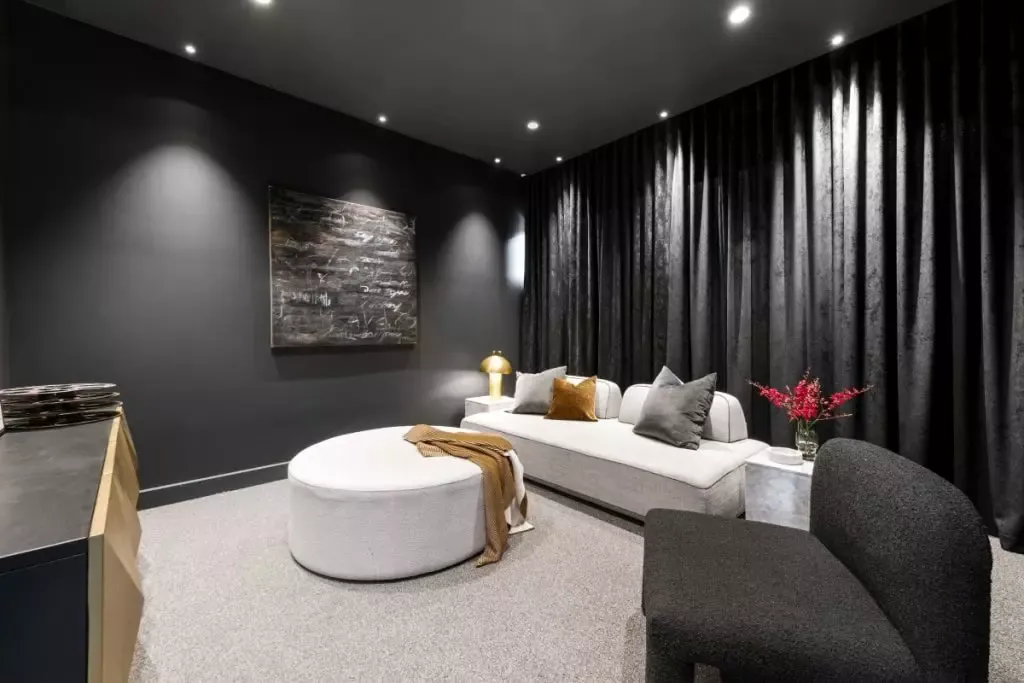
Building a custom home enhances long-term investment and resale value by creating a property with distinctive, well-executed features that match buyer preferences in the luxury segment, offering both tangible performance benefits and intangible desirability.
Unique architectural elements, durable materials, and energy performance combine to make the home more saleable and often justify a price premium. Lower renovation and maintenance needs further improve the net ownership cost over time. The following list summarises the primary investment channels through which custom builds add value.
- Distinctive architecture attracts niche buyers and commands higher offers.
- Premium materials reduce depreciation and maintain curb appeal.
- Energy-efficient systems lower operating costs and widen buyer appeal.
- Thoughtful planning reduces the need for early renovations.
These investment advantages are reinforced by market trends favoring sustainability and bespoke living, explored in the subsections below.
Why Do Custom Homes Command Higher Resale Prices in Melbourne?
Custom homes command higher resale prices when they offer features that are scarce in a market, such as site-responsive design, high-grade finishes, and documented energy performance, that appeal to high-net-worth buyers. The scarcity effect, combined with superior condition and low-maintenance materials, helps justify a margin over comparable volume-built stock.
Clear documentation of warranties, supplier provenance, and quality controls further reduces buyer risk and supports pricing. Thoughtful positioning during resale, highlighting unique features and performance metrics, maximises value capture.
How Does Energy Efficiency Contribute to Long-Term Savings?
Energy efficiency cuts running costs through reduced heating, cooling, and electrical loads; combined passive design and efficient systems can reduce annual utility bills substantially, depending on scale. Measures such as improved insulation, high-performance glazing, heat pump systems, and solar photovoltaics yield quantified operating savings and may shorten payback periods for initial investment.
Efficient homes are also more attractive to buyers who prioritise lower operating costs and environmental credentials. Over a home's lifecycle, reduced energy expenditure contributes materially to total ownership savings.
What Are the Reduced Renovation and Maintenance Costs of Custom Homes?
Custom homes planned and executed with durable materials and right-first-time detailing typically require fewer early renovations, because owners' needs and quality expectations are addressed during initial construction. This reduces cumulative maintenance spending and avoids disruptive, costly retrofits common in volume-built homes.
Selecting materials with proven lifecycle performance and specifying accessible systems for serviceability lowers long-term ownership burden. Consequently, fewer renovations and predictable maintenance schedules improve both owner experience and resale positioning.
The next major section outlines the end-to-end custom home process so owners know what to expect.
What Is the Custom Home Building Process with Luxury Builders in Melbourne?
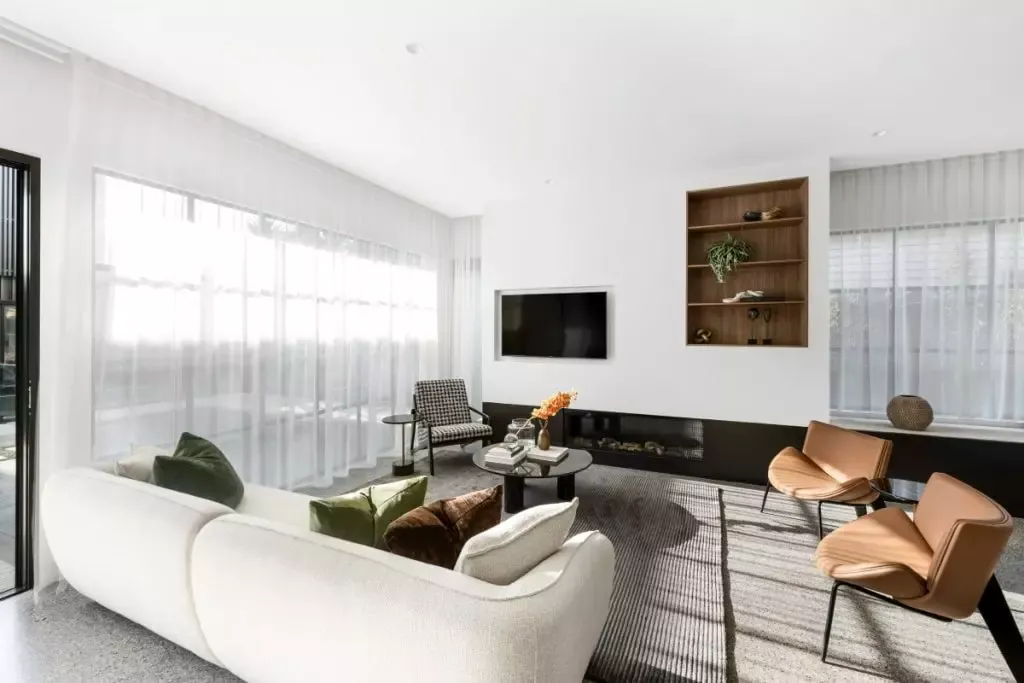
The custom home building process progresses from initial consultation and concept design through approvals, construction, commissioning, and handover; each phase is an opportunity for owner input and quality verification. Clarity of scope, timeline, and decision points at the outset reduces risk and cost uncertainty during construction.
Typical stages include visioning and briefing, schematic and detailed design, council approvals, construction documentation, on-site construction with staged inspections, and final commissioning with documented handover. Effective project governance and regular reporting are essential to deliver the intended outcome on time and on budget.
Below is a practical, ordered list of the key stages and typical timings to set expectations.
- Initial consultation and brief development (2–6 weeks) with site assessment.
- Design development and documentation (8–20 weeks), including engineering.
- Approvals and permits (time varies by council; plan for 6–16 weeks).
- Construction (foundation to lockup and finishing; 8–18 months depending on complexity).
- Commissioning and handover with defects period and warranty documentation.
These stages require coordinated collaboration between homeowners, architects, and builders, which the next subsections detail.
How Do Homeowners Collaborate with Builders from Vision to Completion?
Homeowners collaborate through structured touchpoints: brief sign-off, design review meetings, material selection workshops, pre-construction coordination, and regular site progress updates. Clear decision calendars and documented approvals ensure choices are captured and implemented without delays, while milestone meetings reduce the risk of scope creep.
Effective collaboration is supported by transparent reporting systems that provide cost and schedule visibility. When communication is managed proactively, owners remain informed and engaged without being burdened by day-to-day site administration.
What Are the Key Stages in the Custom Home Construction Process?
Key stages include pre-construction planning and documentation, site establishment and foundation works, structural framing and weatherproofing, internal services and finishes, and final commissioning with rectification and handover. Each stage has defined inspection checkpoints and sign-off requirements to ensure quality.
Durations vary with complexity and site constraints, but following a staged schedule with contingency buffers protects timelines. Homeowners should request an agreed-upon programme and reporting cadence to track progress closely.
Strong project management practices are central to those outcomes and are explained below.
How Do Transparency and Project Management Benefit Homeowners?
Transparency and disciplined project management benefit homeowners by reducing cost uncertainty, identifying risks early, and ensuring contract terms are honoured through change-order controls and milestone payments. Regular reporting, budget variance tracking, and accessible documentation build owner confidence and reduce disputes.
A robust governance framework also supports quality assurance by linking payments to verified milestone completions and inspection outcomes. Ultimately, structured management preserves design intent and protects owner investment throughout delivery.
The final major theme examines sustainable features and how they are integrated into custom luxury homes.
How Are Sustainable and Energy-Efficient Features Integrated into Custom Homes in Melbourne?
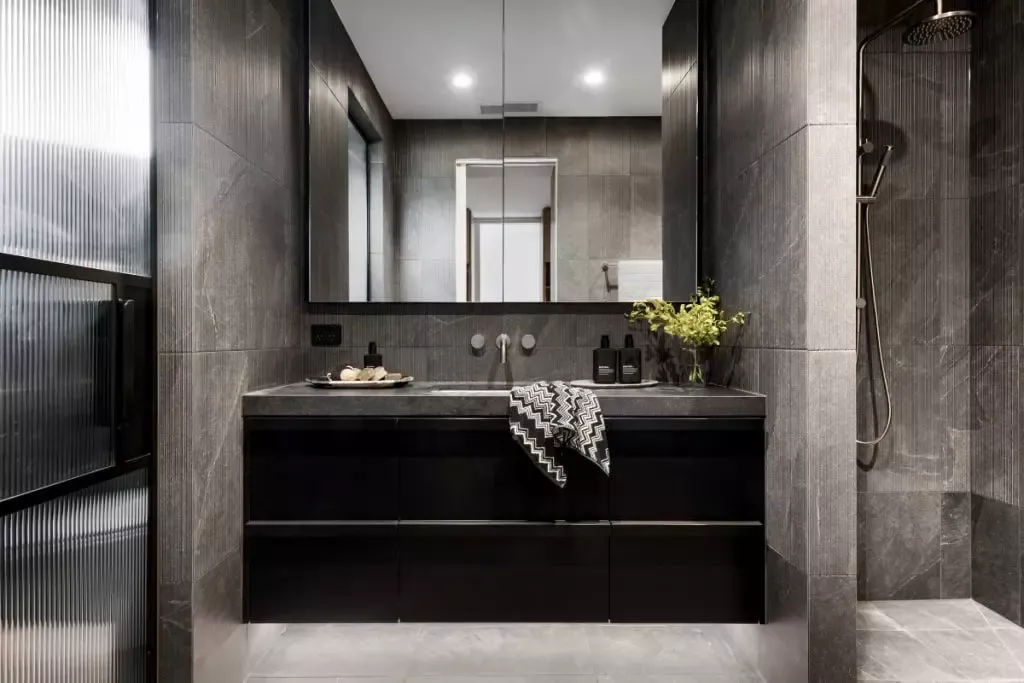
Sustainable and energy-efficient integration begins in concept design and continues through material selection, systems specification, and commissioning, ensuring performance goals are met in practice. Passive-first strategies, orientation, thermal mass, shading, and insulation form the foundation and are amplified by active systems such as efficient HVAC, solar PV, and smart controls.
The integration mechanism relies on early coordination between architect, engineer, and builder to balance capital cost with lifecycle savings. Below is an EAV-style table that quantifies common sustainable features and typical benefits to help homeowners prioritise interventions.
| Feature | Installation/Cost Impact | Value/Energy Benefit |
|---|---|---|
| Passive solar orientation | Low cost at the design stage; no major systems | 10–30% reduced heating/cooling demand |
| High-performance glazing | Moderate upfront cost; technical installation | 15–25% energy saving; improved comfort |
| Solar PV systems | Capital investment; roof integration required | 20–50% reduction in grid electricity use |
| Heat-pump hot water | Moderate cost replacement for gas systems | 40–60% efficiency improvement vs resistance |
This comparison clarifies how combining passive and active measures delivers compounded savings and added market appeal.
What Sustainable Building Practices Do Custom Builders Use?
Custom builders use practices such as passive solar design, responsibly sourced materials, high-performance building envelopes, and on-site waste reduction to minimise environmental impact and improve occupant comfort. The approach prioritises interventions with the best lifecycle returns and coordinates suppliers to ensure material provenance and performance.
Builders may also incorporate recycled materials and low-VOC finishes to enhance indoor air quality. These practices align sustainability with luxury by making efficiency a visible and tangible benefit.
How Do Energy-Efficient Designs Reduce Running Costs?
Energy-efficient designs reduce running costs by lowering heating, cooling, and electrical loads through better insulation, efficient glazing, controlled ventilation, and renewable generation. When modelled during design, these measures can be expected to decrease utility bills by meaningful percentages, depending on the package selected, often yielding payback periods that justify the initial investment for long-term owners.
Improved thermal comfort also reduces reliance on mechanical systems, extending their service life and lowering maintenance. The combined operational savings improve net ownership costs and can be highlighted in resale marketing.
Why Is Sustainability Important for Luxury Homeowners in Melbourne?
Sustainability matters to luxury homeowners because it aligns with modern lifestyle values, reduces long-term ownership costs, and serves as a prestige attribute when marketed to eco-aware buyers. High-net-worth purchasers often expect both comfort and responsibility; homes that demonstrate low operating costs, quality materials, and environmental stewardship command stronger interest.
Regulatory trends and market appetite for efficient homes further reinforce that sustainability is now a feature, not an afterthought, in luxury construction. Integrating sustainable design from the outset preserves both lifestyle quality and value.
For those considering customised luxury projects, remember: to attract and convert high-value clients for luxury residential and commercial construction projects by showcasing expertise, quality, and successful past projects, leading to enquiries and consultations. Striking Constructions Pty Ltd is a specialist in expansive architectural, luxury residential, and commercial building and construction projects throughout Melbourne and its surrounding areas.
The company focuses on creating living and working spaces that embody an unparalleled fusion of artistry, innovation, and refinement, emphasising impeccable craftsmanship, premium materials, and visionary concepts to redefine opulence.