
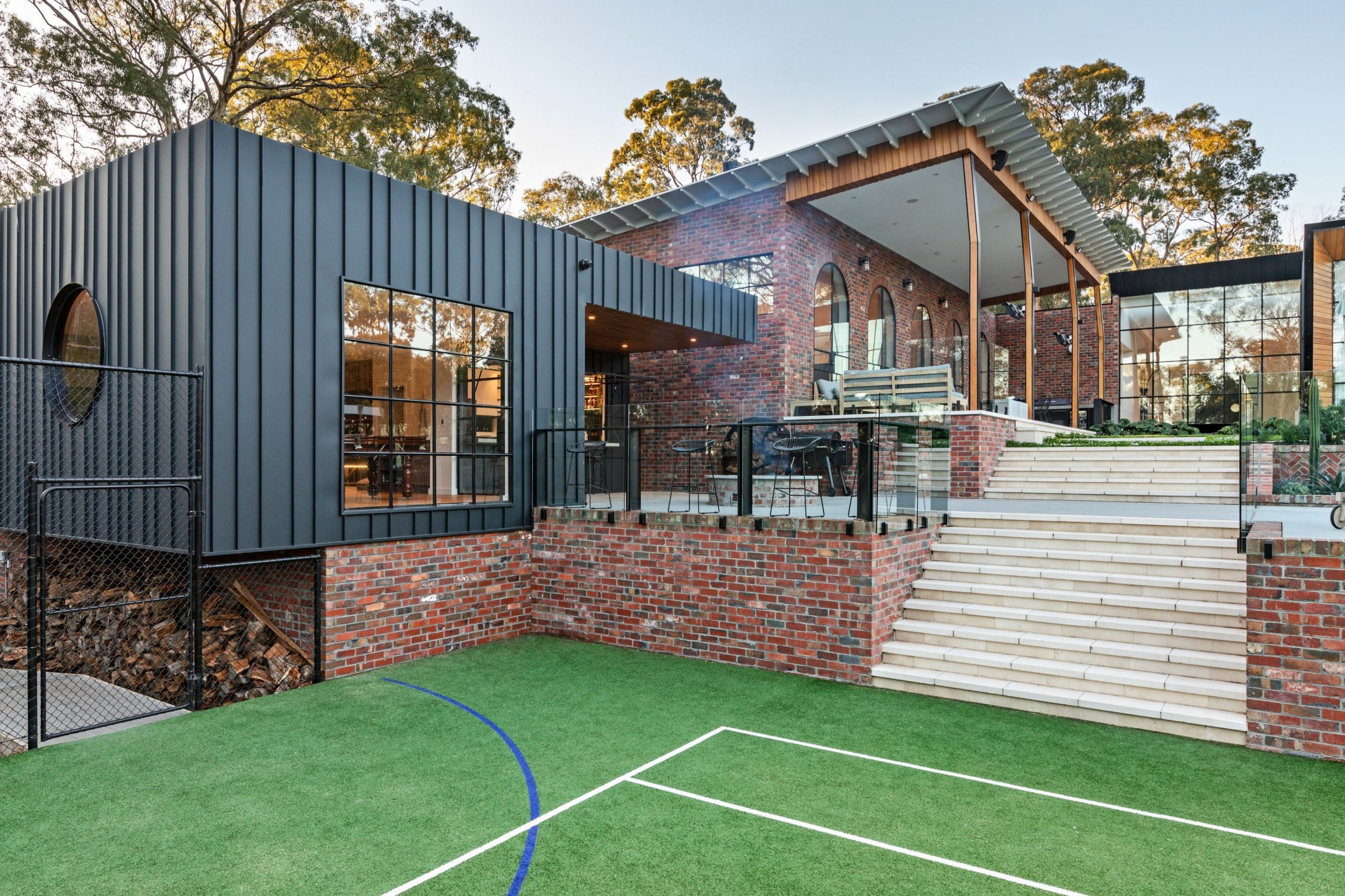
High-end home builders in Melbourne define luxury through rigorous craftsmanship, tailored design, and project systems that protect client investment while delivering singular living experiences. This article explains what separates premium builders from standard providers, how personalised architectural integration raises value, and which technical and aesthetic decisions underpin long-term quality.
Readers will learn the concrete materials, trades, and processes to demand, the commercial standards for premium office and retail projects, and the trends shaping sustainable, smart, and flexible luxury homes in Melbourne. Practical comparisons, structured tables, and actionable steps show how to evaluate builders and begin a project confidently. We use Melbourne-specific context and semantic clarity to help affluent clients and their advisors choose builders who deliver both artistry and performance.
What Defines a High-End Home Builder in Melbourne?
A high-end home builder in Melbourne is a specialist construction provider that consistently combines superior craftsmanship, premium materials, and collaborative architectural design to deliver long-lasting, distinctive residences. This definition rests on measurable mechanisms: rigorous trade coordination ensures finish tolerances, supplier relationships secure premium cladding and stone, and integrated project management reduces defects and delays. The result for the client is a home that performs technically, reads beautifully, and preserves resale value. Understanding these core attributes helps buyers separate genuine luxury builders from those offering only surface-level upgrades.
High-end builders institute quality assurance processes that manage risk and improve outcomes. Trades are selected for specific expertise and supervised through staged inspections. Material sourcing is controlled to ensure consistency across joinery, hardware, and façades. These controls link directly to warranty performance and long-term durability, which clients should prioritise when assessing proposals.
The practical attributes below summarise the high-end benchmark and make a quick checklist for initial screening. Each attribute names the capability and the client-oriented outcome.
High-end builders meet several essential attributes:
- Premium craftsmanship: Tight finish tolerances and artisan joinery that minimise visible defects.
- Premium materials: Stone, engineered timber, and specialist façades specified for performance and aesthetics.
- Architectural collaboration: Early-stage coordination with architects to resolve structure and services.
- Robust project management: Clear programmes, milestones, and on-site supervision to limit cost drift.
- Transparent client experience: Regular reporting, approvals, and staged quality sign-offs.
These attributes form the shortlist clients should verify during initial meetings. The next section examines the concrete craft and material choices that signal true build quality.
Which Craftsmanship and Materials Ensure Unmatched Quality?
Craftsmanship and material selection together determine how a luxury home ages and performs. Quality begins with structural choices and continues through bespoke joinery, engineered stone worktops, and durable external cladding that resist Melbourne’s variable climate. Trades with specialist experience, such as cabinetmakers, stonemasons, and façade installers, deliver measurable tolerances in gaps, alignments, and hardware operation that define perceived quality. Selecting materials such as engineered timbers with protective finishes, honed stone with appropriate sealing, and high-grade stainless or architectural hardware reduces maintenance and preserves aesthetic integrity.
A builder’s procurement strategy also matters because consistent supply reduces on-site substitutions that degrade outcomes. Suppliers who provide technical sheets and performance warranties help clarify the long-term behaviour of selected components. Good trade supervision combines daily inspection with staged sign-offs so defects are caught early. Understanding these technical practices helps clients ask the right questions about specified materials and expected maintenance over the life of the home.
How Does Personalised Design Elevate Luxury Home Building?
Personalised design turns a technically excellent build into a unique home that reflects lifestyle, site, and future-proofing requirements. The collaborative discovery phase translates client priorities, entertaining, privacy, and aging-in-place into spatial layouts, orientation decisions, and material palettes. Bespoke elements such as custom joinery, engineered structural openings, and tailored façade treatments are created through iterative design reviews, prototyping, and shop drawings to ensure constructability and finish quality. This bespoke workflow also resolves site constraints like slope, orientation, and neighbourhood character through considered interventions that both comply with local context and deliver luxury outcomes.
Personalisation is not decoration alone; it aligns mechanical systems, acoustics, and lighting with the architecture to produce cohesive results. Early technical coordination between the architect, services engineers, and builder prevents late-stage compromises. For clients, this process yields a home that is both distinct and practical, with high usability and strong long-term appeal. The next section outlines how one Melbourne specialist positions itself within this premium landscape.
Personalisation in Home Design and Resident Well-being
This research examines the relationship between the architectural design of dwellings and personalisation in fostering a sense of home and promoting occupants’ psychological well-being.
An architectural insight into the role of personalisation of homes and its effects on residents’ psychological well-being, D. Al-Tarazi, 2025
This research highlights the critical role of architectural design features in creating high-end residences, emphasizing elements like spatial volume, material selection, and façade design to enhance resident lifestyle and sustainability.
Architectural Design Features in Contemporary High-End Residences
This paper investigates the applicability of architectural design features in high-end residences through a case study methodology. This study aims to identify and understand the design principles and aesthetics that influence the design of luxury homes. The case study approach involves the analysis of three contemporary luxury houses in Sarawak, each with unique architectural designs. According to the research, seven elements of designing a luxury home were explained.
These include security considerations, spatial volume, building materials, façade design, interior design, courtyards, and landscape design. These design aspects are achieved by paying close attention to detail and focusing on creating an atmosphere that promotes the residents’ lifestyle. The research also emphasises the significance of implementing sustainable design approaches, which contribute to environmental sustainability and increase the value of luxury home designs. In the context of creating more resilient architecture in the future, passive luxury home design can be an effective way to mitigate the risks of extreme weather conditions.
Several passive design strategies were implemented and discussed in this paper to create an energy-efficient, comfortable, and healthy building without relying on active systems such as heating and cooling. This study provides an in-depth analysis of the design elements that are considered essential in luxury home design. The findings of this study can be useful for architects, interior designers, and developers in creating more resilient and sustainable luxury homes that meet the expectations of discerning clients.
How Does Striking Constructions Stand Out Among Luxury Home Builders Melbourne?
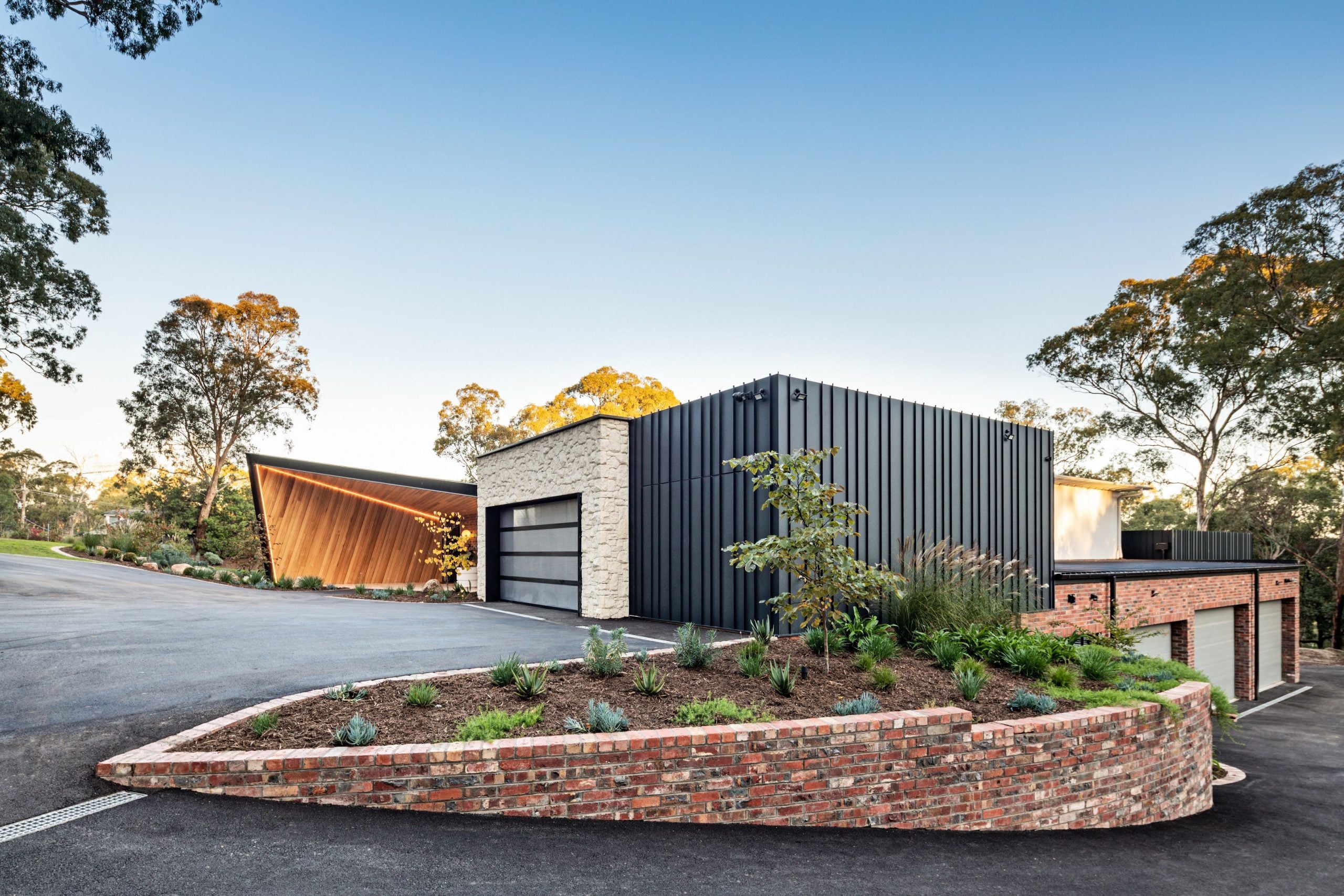
Striking Constructions Pty Ltd is positioned within the Melbourne luxury construction market through deep capability in complex architectural and commercial projects that demand high craft standards and integrated delivery. Striking Constructions Pty Ltd is a Melbourne-based builder specialising in expansive architectural, luxury residential, and commercial construction projects. The company focuses on impeccable craftsmanship, premium materials, visionary concepts, and delivering living and working spaces that embody artistry, innovation, and refinement.
Website structure includes Home, Profile, Construction, Gallery (Residential, Commercial, Developments, Pool and Landscape), Blog, Work with Us, and Contact. This business messaging provides explicit evidence of the firm’s positioning and the portfolio structure clients can explore to validate capability.
Beyond positioning, leading builders translate design intent into built form through disciplined processes. Striking Constructions emphasises integrated project management that begins during schematic design and extends through procurement and commissioning. Their workflow uses coordinated shop drawings and staged mock-ups for bespoke elements to reduce on-site risk and ensure finish quality. This procedural emphasis is characteristic of high-end builders in Melbourne and is a useful selection criterion for clients evaluating teams.
The ways a specific builder integrates architecture and bespoke solutions reveal operational maturity. Below, we examine Striking Constructions’ core value propositions and how those translate into tangible client outcomes.
What Are the Unique Value Propositions of Striking Constructions?
Striking Constructions presents several distinct value propositions that align with premium client expectations. Their specialisation in expansive architectural and luxury residential builds allows them to manage complex geometries and high-spec finishes with proven supply chains. The company’s commitment to premium materials and impeccable craftsmanship supports consistent finish standards across joinery, stonework, and façades. Visionary design integration and bespoke capability mean they routinely coordinate with architects and consultants to preserve design intent through construction.
These UVPs are supported by visible portfolio categories. Residential, Commercial, Developments, Pool, and Landscape that illustrate cross-disciplinary experience. For clients, these propositions mean fewer design compromises, clearer procurement decisions, and a single point of accountability for complex projects. The next subsection explains how that integration happens in practice, on-site and in delivery documents.
How Does Striking Constructions Integrate Architectural Design and Bespoke Solutions?
Integration is a sequence of coordinated tasks that move a concept into a finished element without losing design fidelity. The process begins with detailed design coordination meetings where architectural intent is translated into construction documentation. Striking Constructions then produces shop drawings, schedules, and prototypes for bespoke joinery, façades, and integrated systems to confirm fit, finish, and interfaces before full production. On-site, staged inspections and client sign-offs ensure each bespoke component meets the agreed quality benchmarks.
This integration reduces rework and preserves the visual and tactile qualities specified by the architect. For clients, that means bespoke elements are delivered on programme and meet the envisioned standards. With those assurances in mind, the following section unpacks the signature features of luxury residential construction in Melbourne and how they respond to local lifestyle and climate.
What Are the Key Features of Luxury Residential Construction in Melbourne?
Luxury residential construction in Melbourne typically combines expansive glazing, high-spec kitchens, robust structural detailing, and integrated service systems to create homes that perform across seasons and lifestyles. These features respond to Melbourne’s variable climate and the local preference for indoor-outdoor living by emphasising solar control, thermal comfort, and seamless transitions between interior and exterior. The planning and service integration ensure that high-end finishes are supported by accessible maintenance strategies and energy-efficient systems that reduce lifecycle costs. Understanding these components helps clients prioritise which elements add most value for their budget and lifestyle.
Common signature features include bespoke kitchens with engineered stone and integrated appliances, artisanal joinery, high-performance glazing with shading strategies, and engineered landscaping that bridges pools or terraces with living spaces. These elements are selected not only for appearance but for longevity and performance under local conditions. Below is a compact comparison of popular luxury home styles in Melbourne and the typical materials and budget implications to guide choices.
| Style | Signature Materials | Typical Signature Features |
| Modern architectural | Steel, concrete, full-height glazing | Open plans, minimal joinery, integrated lighting |
| Contemporary residential | Timber, stone, composite cladding | Layered textures, indoor-outdoor flow, high-spec kitchens |
| Heritage-sensitive | Brick, rendered masonry, timber detailing | Restored façades, sympathetic additions, custom joinery |
Which Luxury Home Styles and Custom Designs Are Popular in Melbourne?
Melbourne’s luxury market favours several styles that respond to site, suburb character, and lifestyle. Modern architectural homes prioritise structural clarity and maximum glazing to frame views and light. Contemporary residences blend natural timbers and stone to create warm interiors with fluid outdoor connections. Heritage-sensitive projects require careful reconciliation of modern amenities with period fabric, demanding specialist trades and sensitive detailing. Each style entails specific trade skills and material sourcing, which influence cost and programme.
Clients should match style to lifestyle and location, selecting builders and consultants with proven examples in the chosen typology. This alignment reduces design risk and ensures local planning and construction nuances are anticipated. The following subsection explores how sustainable and smart technologies amplify luxury outcomes in Melbourne homes.
How Do Sustainable and Smart Home Technologies Enhance Luxury Residences?
Sustainable design and smart systems increase comfort, reduce running costs, and support resale value in luxury homes. Passive design measures optimised orientation, thermal mass, and cross-ventilation to improve comfort with minimal mechanical input. On-site generation and battery storage reduce dependence on grid electricity while high-efficiency HVAC and LED lighting lower operational costs. Smart home integration ties these systems together so that lighting, climate, and security adapt to occupant preferences and energy optimisation algorithms.
Implementing these systems requires early coordination between the architect, services engineers, and the builder to ensure cabling, plant, and equipment fit within the architectural intent. When done well, sustainability and smart automation deliver both daily convenience and measurable performance gains that affluent buyers increasingly expect. The next section addresses premium commercial delivery and how it differs from residential luxury buildings.
How Do High-End Commercial Builders in Melbourne Deliver Premium Construction?

High-end commercial builders deliver premium construction by aligning compliance, brand expression, and tenant experience with rigorous programme control and risk management. Commercial projects demand different standards: business continuity during fit-out, accessibility and fire engineering compliance, and services-heavy coordination that supports tenant operations. These projects also focus on ROI drivers such as workplace productivity, customer impression, and long-term asset value uplift. Builders operating at this level combine specialist contractors, staged handovers, and robust communication frameworks to balance stakeholder needs.
Commercial delivery models often include phased occupancy, integrated design-and-build packages, and lifecycle planning for maintenance. High-end commercial fit-outs prioritise acoustics, bespoke joinery for reception and boardroom spaces, high-grade finishes, and resilient MEP systems to support tenant requirements. The items below outline the core benefits that premium commercial development and fit-outs deliver for owners and occupiers.
Premium commercial projects provide measurable client benefits:
- Enhanced brand image: Tailored interiors and façades that reflect corporate identity.
- Improved tenant experience: Acoustic comfort, ergonomic layouts, and integrated amenities.
- Asset value uplift: Long-term capital appreciation through quality construction and materials.
These benefits translate into higher retention, improved rental yields, and a stronger market position for commercial owners. The following table summarises common commercial project types, their core service elements, and client benefits to aid decision-making.
| Project Type | Core Service Elements | Client Benefit |
| Office fit-out | Tenant coordination, MEP upgrades, bespoke joinery | Productivity and brand alignment |
| Boutique retail | Façade works, lighting design, display joinery | Customer experience and sales uplift |
| Mixed-use development | Complex sequencing, common-area finishes, services integration | Diversified income and long-term value |
What Are the Benefits of Luxury Commercial Developments and Office Fit-Outs?
Luxury commercial developments deliver practical advantages beyond aesthetics. High-quality workplaces increase occupant wellbeing and productivity through better daylighting, acoustics, and climate control. Retail and hospitality fit-outs designed to high standards enhance customer dwell time and conversion. For investors, premium construction reduces vacancy risk and commands higher rents, directly improving financial performance. These outcomes depend on disciplined project management and specification clarity from the outset.
Realising these advantages requires early stakeholder alignment on business goals, occupant profiles, and maintenance regimes. When client objectives are explicit, contractors can design resilient systems and finishes that meet operational needs. The next subsection outlines how Striking Constructions manages large commercial projects in practice, demonstrating the controls premium providers apply.
How Does Striking Constructions Manage Large-Scale Commercial Projects?
Striking Constructions applies structured programme control, staged procurement, and coordinated subcontractor management to deliver large commercial projects. Their approach includes detailed milestone planning, health and safety systems, and clear reporting to client stakeholders. Site management emphasises quality inspections, compliance checks, and interface coordination across service trades to reduce rework and sustain programme certainty. These practices align with the expectations for premium commercial construction in Melbourne.
Effective communication is central: scheduled client updates, trade briefings, and issue-tracking keep projects transparent and predictable. For owners, this reduces commercial disruption and secures the benefits of high-spec fit-outs and developments. With commercial processes established, we now consider the key trends shaping luxury homes in Melbourne.
What Are the Latest Luxury Home Building Trends in Melbourne?

Melbourne’s luxury building trends centre on sustainability, seamless smart-home expectations, flexible living spaces, and refined indoor-outdoor integration. Sustainability has moved from a feature to a baseline requirement, with low-carbon materials, embodied-carbon reporting, and on-site generation commonly specified. Smart home systems are now expected to orchestrate comfort, security, and energy use as a cohesive experience. Flexible spaces that adapt for work, guests, or multi-generational living respond to lifestyle shifts. These trends intersect to create homes that are both beautiful and resilient in the current market.
Below is a concise comparison of top trends, the technical components they involve, and the practical impact they deliver to homeowners. This table helps clients weigh trade-offs and set priorities for specification.
| Trend | Technical Components | Practical Impact |
| Sustainability | Passive design, solar + battery, low-carbon materials | Lower running costs and improved resale |
| Smart automation | Integrated control, AI energy management, unified UX | Greater comfort and operational efficiency |
| Flexible living | Movable partitions, multi-use rooms, acoustic zoning | Adaptability for changing household needs |
How Are Sustainability and Eco-Friendly Practices Shaping Luxury Homes?
Sustainability in luxury homes emphasises both operational efficiency and embodied carbon reduction. Passive solar design and high-performance envelopes reduce energy demand. On-site generation with battery storage and efficient HVAC lowers operational emissions and provides resilience during outages. Material choices recycled content, low-VOC finishes, and responsibly sourced timber, reduce environmental impact and often improve indoor air quality. The combination of passive and active measures produces measurable comfort gains and lifecycle savings.
Designers and builders must coordinate early to balance aesthetic goals with performance targets. Detailing, thermal bridging mitigation, and durable surface selections all contribute to long-term sustainability outcomes. Clients who prioritise these measures typically see reduced utility costs and stronger market appeal.
What Smart Home Features Are Essential for Modern Luxury Residences?
Smart home systems in luxury residences now integrate lighting, climate, security, and energy management under a single user experience. Essential features include centralised control platforms that coordinate HVAC and lighting schedules, AI-driven energy monitoring to optimise solar and battery usage, and discreet sensors that enhance comfort without intruding on design. Seamless UX across mobile and voice interfaces ensures usability for household members and property managers.
Integration requires early coordination to provision cabling, conduits, and service zones while preserving architectural intent. When properly executed, smart systems increase convenience, reduce energy waste, and add demonstrable value for buyers seeking modern, connected homes. With trends clear, potential clients need a practical path to start a project with a premium builder.
How Can Clients Start Their Luxury Home or Commercial Project with Striking Constructions?

Starting a luxury home or commercial project begins with a focused briefing and a staged process that clarifies objectives, budget, and programme. Striking Constructions outlines a collaborative pathway that moves from initial consultation through design and construction to a managed handover. Clients should prepare a project brief, reference images or precedents, and an approximate budget range to enable productive early discussions. This clarity speeds feasibility assessment and reduces scope creep during later stages.
The practical client journey follows distinct stages that create decision points and approvals. The builder’s role is to translate the brief into delivery documents, advise on material selections, manage trades, and provide transparent reporting. Striking Constructions supports clients through permits, procurement, and staged quality sign-offs to protect design integrity and programme outcomes. The numbered steps below describe the typical project sequence to target featured snippets and set expectations.
Clients can start their project in four clear steps:
- Initial consultation: Share brief, site information, and budget to establish feasibility.
- Design development: Develop schematic and detailed design with architect and builder input.
- Construction: Execute works under a managed programme with staged inspections and updates.
- Handover: Complete commissioning, client orientation, and final quality sign-off.
What Is the Collaborative Design and Construction Process?
The collaborative workflow begins with discovery and brief development, where client goals are documented, and site constraints are analysed. Design iterations follow with schematic options, cost refinement, and technical coordination among the architect, engineers, and the builder. Detailed documentation, shop drawings, and prototypes confirm bespoke elements before manufacture. During construction, regular communication, inspection, and client approvals maintain quality and limit surprises.
This linear but iterative process reduces risk and ensures deliverables match expectations. Clear responsibilities and staged payments keep the project on track and aligned with the agreed brief. Clients who engage early in this workflow gain better cost control and a final building that performs as designed.
Where Can Clients View Striking Constructions’ Portfolio and Case Studies?
Striking Constructions maintains a structured gallery and portfolio architecture that demonstrates its range across residential, commercial, development, and pool and landscape projects. Clients can review category galleries to find comparable projects that reflect the required scale, finish level, and technical complexity. When assessing a portfolio, focus on consistency of materials, evidence of complex detailing, and examples of completed bespoke elements that mirror your brief.
Requesting targeted case studies or site viewings helps validate workmanship and coordination capability. Evaluating past projects in the same style or typology provides a practical benchmark for expected outcomes and informs specification decisions before tendering and contract negotiation.