
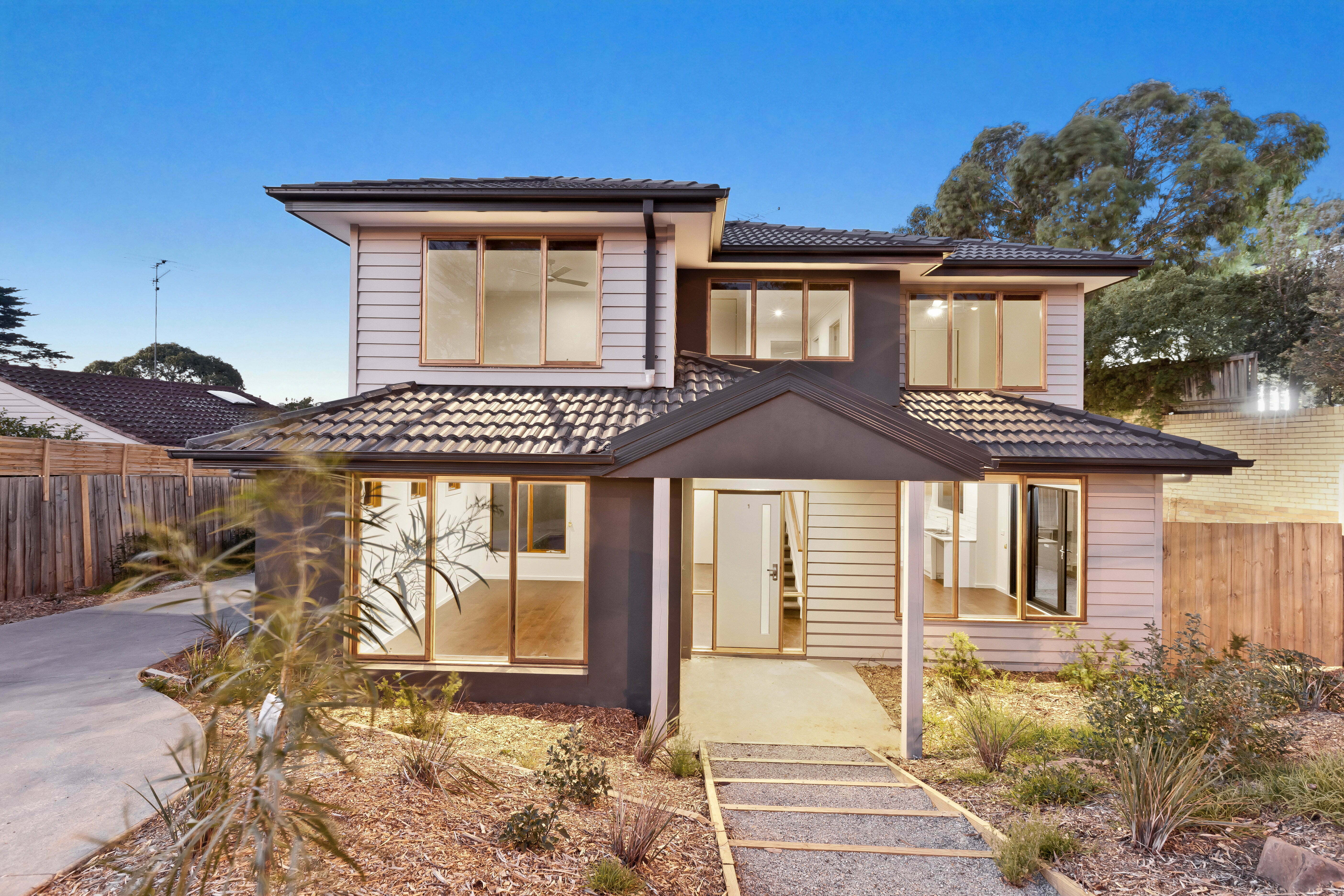
Choosing a bespoke home builder sets the tone for every stage of a luxury build: design fidelity, material quality, programme certainty, and long-term value. A bespoke home builder is a specialist construction company that delivers custom architectural homes by coordinating architects, specialist trades, and premium materials to precise specifications. Understanding this role helps you avoid costly mistakes. This guide explains the most common selection errors, how to vet luxury and prestige home builders in Melbourne, essential design and planning traps, contract and communication checkpoints, and material and quality pitfalls to watch for.
You will learn practical verification steps from Building and Plumbing Commission (BPC) checks to reference interviews, alongside contractual red flags and quality-control checkpoints that protect your investment. Read on for concise remediation steps, checklists you can use when interviewing builders, comparison tables to weigh price versus value, and a short explanation of how Striking Constructions Pty Ltd applies transparent processes to reduce risk for high-value bespoke projects.
What Are the Most Common Mistakes When Selecting a Bespoke Home Builder Melbourne?
Selecting a bespoke home builder without a structured vetting process exposes you to delivery risk, inferior finishes, and cost blowouts. At a basic level, common mistakes arise from under-researching reputation and portfolio relevance, choosing solely on price, accepting vague contract terms, ignoring specialist experience for complex builds, and failing to verify warranties and insurances.
These failures compound because bespoke and prestige home builds require technical coordination, premium materials, and experienced project management to achieve intended outcomes. The list below summarises the top five mistakes with direct remediation steps to help homeowners prioritise actions before committing to a builder.
Top five mistakes to avoid when choosing a bespoke builder:
- Neglecting thorough vetting: Verify licences, references, and recent project examples before shortlisting builders.
- Choosing on price alone: Ask for detailed breakdowns of allowances, provisional sums, and exclusions to reveal hidden costs.
- Accepting vague contracts: Require a clear scope, variations procedure, and defect/warranty terms before signing.
- Overlooking specialisation: Match the builder’s portfolio to your design complexity and technical requirements.
- Skipping site visits and references: Visit live projects and speak with recent clients to validate workmanship claims.
These common errors forecast specific problems such as warranty disputes and finish-quality issues; understanding those risks leads naturally to practical vetting steps that follow in the next section.
How Does Builder Reputation Impact Your Bespoke Home Project?
Builder reputation functions as a practical signal of capability, combining portfolio evidence, client testimonials, on-site workmanship, and recognitions into an observable pattern of delivery. Reputation matters because bespoke builds depend on repeatable processes such as project management, trade coordination, and quality-control checkpoints that show up consistently in previous projects and client feedback.
Key red flags include incomplete portfolios for comparable scale, evasive reference responses, or unclear responsibility for latent conditions; green flags are transparent project documentation, demonstrable gallery images of finishes, and architects willing to be contacted. Verify reputation by asking for recent client contacts, visiting active sites, and inspecting detailed photographic evidence of finishes. These verification steps reduce uncertainty, and they naturally transition into the more formal vetting actions described next.
Why Is Relying on Price Alone a Risk in Luxury Home Construction?
Relying solely on the lowest quote ignores the differences in material specification, craftsmanship, allowances, and risk contingencies that determine long-term value. Low-price proposals often hide provisional sums, vague inclusions, and lower-grade materials that inflate cost and reduce longevity once variations are added. Remedy this by requesting a line-itemed tender or preliminary estimate that separates allowances, provisional sums, and exclusions, and by asking for specified brands, grades, and installation standards.
The following table compares typical low-price builders with high-end bespoke builders across the attributes owners care about: materials, warranty, finish quality, communication, and long-term value.
The following comparison clarifies where a higher initial investment protects you over the lifecycle of the home.
| Builder Type | Materials | Warranty & Defects | Finish Quality | Communication | Long-term Value |
| Low-price builder | Standard-grade components, limited specification | Shorter or vague defect terms | Variable, often subcontracted finishing | Reactive, limited documentation | Lower resale and higher maintenance costs |
| High-end bespoke builder | Specified premium materials and trade packages | Clear defects liability and warranty processes | Consistent, documented high-end finishes | Proactive updates, scheduled meetings, and reports | Preserves capital value and reduces lifecycle costs |
| Specialist prestige builder | Architect-led specifications, premium sourcing | Comprehensive handover and warranty management | Craftsmanship-focused, trade-managed finishing | Single-point contact and integrated PM systems | Enhanced durability and market desirability |
This entity-attribute comparison demonstrates why a lowest-cost selection can create disproportionate downstream expense and risk; a detailed tender and material schedule is the practical defence.
How Can You Effectively Research and Vet a Luxury Bespoke Home Builder?

Effective vetting combines regulator checks, portfolio and site verification, reference interviews, and insurance validation to produce a reliable assessment of a builder’s fit. Start with the Building and Plumbing Commission (BPC) licence check and proof of relevant insurances, then triangulate that formal verification with direct evidence: recent project lists, architect contacts, and on-site visits that reveal coordination and finish standards.
These mechanisms reduce semantic uncertainty: the builder (entity) → demonstrates (relationship) → capability via live projects and verifiable documentation (entity).
Use the following practical checklist when vetting bespoke builders:
- Ask for the licence and insurance documentation and confirm the currency with the BPC.
- Request a detailed portfolio of completed and in-progress projects that match your scale.
- Visit at least one live site to assess trade coordination, cleanliness, and on-site QC processes.
- Obtain three client references and ask about variations, timelines, and defect management.
- Require a preliminary scope document with material specifications and provisional sums clearly listed.
This checklist gives you concrete verification actions; following it reduces the common selection mistakes identified earlier and prepares you to ask targeted interview questions, which are described in the next subsection.
What Questions Should You Ask When Interviewing Bespoke Home Builders?
When interviewing potential builders, structured questions reveal process maturity, subcontractor networks, and problem-resolution capability; request answers in writing for comparison. Ask about experience with similar architectural complexity, how they manage provisional sums and variations, typical construction timelines, and the project manager assigned to your job. Specific high-value questions include how latent conditions are handled, escalation pathways for disputes, trade vetting methods, and how defects are recorded and rectified during the defects liability period.
Document responses and flag evasive or non-specific answers as red flags that warrant further verification. These interview outcomes will lead to how to validate specialised experience on projects in Melbourne, as described next.
How Do You Verify a Builder’s Experience and Specialisation in Melbourne?
Verifying experience requires evidence: a list of comparable projects with suburbs, architect contacts, close-up finish photos, and, where possible, a site visit to a finished home. Ask for contact details of collaborating architects and engineers, then confirm the builder’s role and responsibility scope on complex projects. Check for specialist trade relationships such as stonework, custom joinery, specialist glazing, and request specification sheets to ensure trades can meet required tolerances.
Confirm insurance types such as home warranty and public liability, and reconcile those with the BPC licence status. Verifying these elements reduces selection ambiguity and links directly to better contract negotiation, which is covered in the following sections.
What Design and Planning Mistakes Should You Avoid in Custom Home Builds?
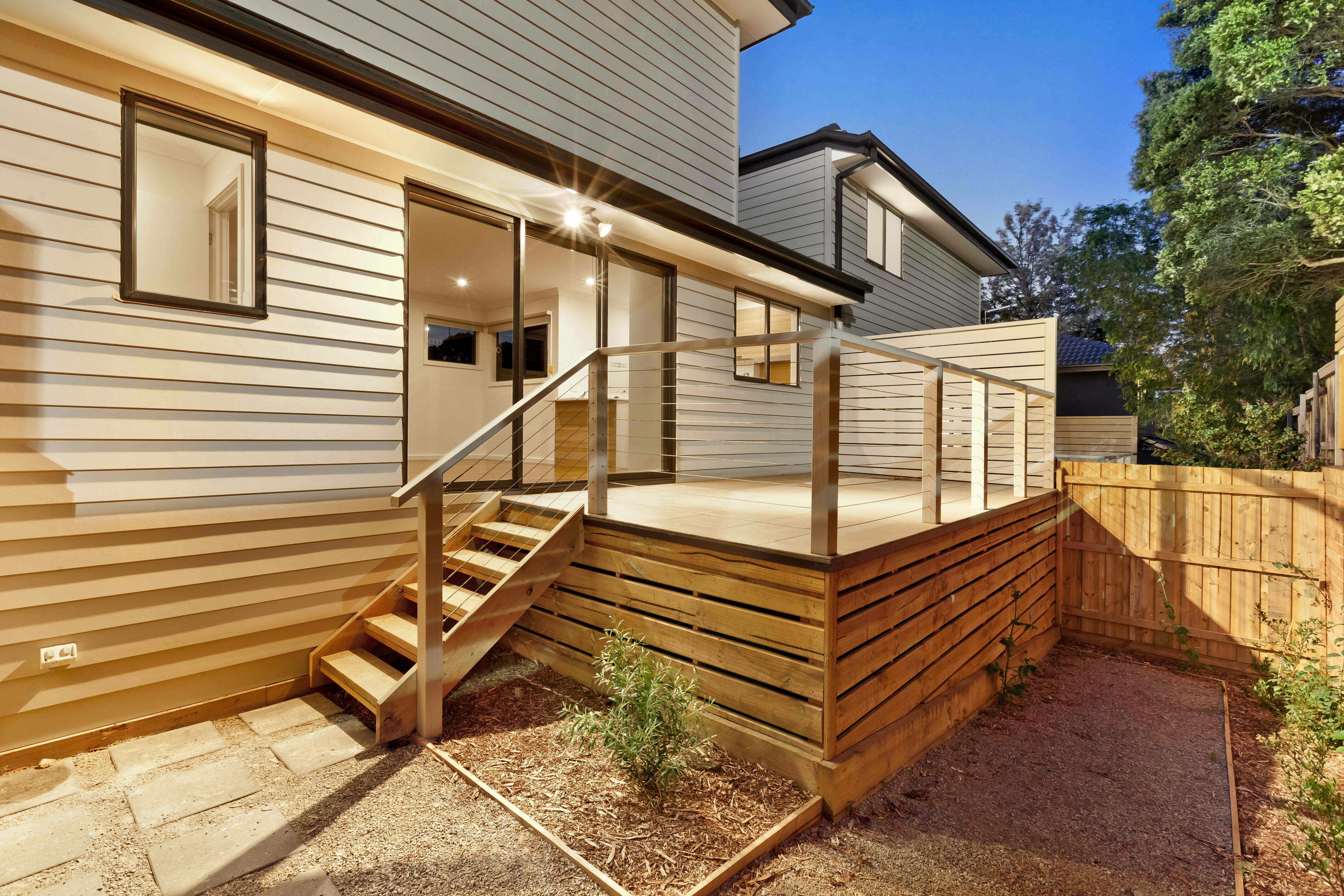
Design and planning mistakes often originate early in the brief and compound during construction; insufficient scope definition, late changes, and excessive bespoke features can undermine functionality and escalate costs. A clear design brief aligned with early builder–architect collaboration improves constructability and reduces variations, while early integration of sustainability decisions drives superior lifecycle outcomes. The next subsections outline examples of over-customisation risks and practical sustainability items to include early in your brief.
How Can Over-Customisation Affect Your Bespoke Home’s Functionality?
Excessive bespoke features such as highly specialised joinery, irregular room geometries, or non-standard structural elements can create maintenance burdens, complicate service access, and limit adaptability for future owners. Over-customisation increases reliance on specialist trades and custom components, lengthening lead times and raising the cost of future repairs or renovations. Balance uniqueness with usability by prioritising functional zones, service access points, and modular design elements that allow future adaptation.
Practical mitigation is to list “must-have” versus “nice-to-have” bespoke elements early in the brief and to require the builder and architect to provide lifecycle cost estimates for highly custom features.
Why Is Early Integration of Sustainable Design Crucial for Luxury Homes?
Integrating sustainability early, orientation, insulation levels, glazing performance, solar-ready infrastructure, and materials sourcing reduces operating costs and enhances long-term asset value. Early decisions on thermal envelope and passive design reduce dependency on active systems; specifying durable, low-maintenance premium materials also lowers lifecycle costs. Consider a checklist of sustainable measures in concept design and require the builder to cost and schedule those elements as part of the early estimate. Early integration yields better outcomes than retrofitting, and it becomes a differentiator in Melbourne’s market for prestige home buyers.
Sustainable items to include from the concept stage:
- Building orientation and passive solar design: maximise natural light and thermal comfort.
- High-performance insulation and glazing specification: reduce heating and cooling load.
- Solar PV readiness and battery provision: future-proof energy resilience.
- Durable, responsibly sourced materials: lower lifecycle maintenance and support resale.
Including these elements early ties design intent to contract scope and reduces variation-driven cost growth.
Key Design Features for Luxury Homes: A Case Study Analysis
This paper investigates the applicability of architectural design features in luxury residences through a case study methodology. The study aims to identify and understand the design principles and aesthetics that influence the design of luxury homes. The case study approach involves the analysis of three contemporary luxury houses in Sarawak, each with unique architectural designs. According to the research, seven elements of designing a luxury home were explained. These include security considerations, spatial volume, building materials, façade design, interior design, courtyards, and landscape design.
These design aspects are achieved by paying close attention to detail and focusing on creating an atmosphere that promotes the residents’ lifestyle. The research also emphasises the significance of implementing sustainable design approaches, which contribute to environmental sustainability and increase the value of luxury home designs. In the context of creating more resilient architecture in the future, passive luxury home design can be an effective way to mitigate the risks of extreme weather conditions. Several passive design strategies were implemented and discussed in this paper to create an energy-efficient, comfortable, and healthy building without relying on active systems such as heating and cooling.
This study provides an in-depth analysis of the design elements considered essential in luxury home design. The findings of this study can be useful for architects, interior designers, and developers in creating more resilient and sustainable luxury homes that meet the expectations of discerning clients.
Applicability of Architectural Design Features in Contemporary Luxury Houses, MWH Jyi, 2023
How Do Communication and Contract Management Prevent Bespoke Building Errors?
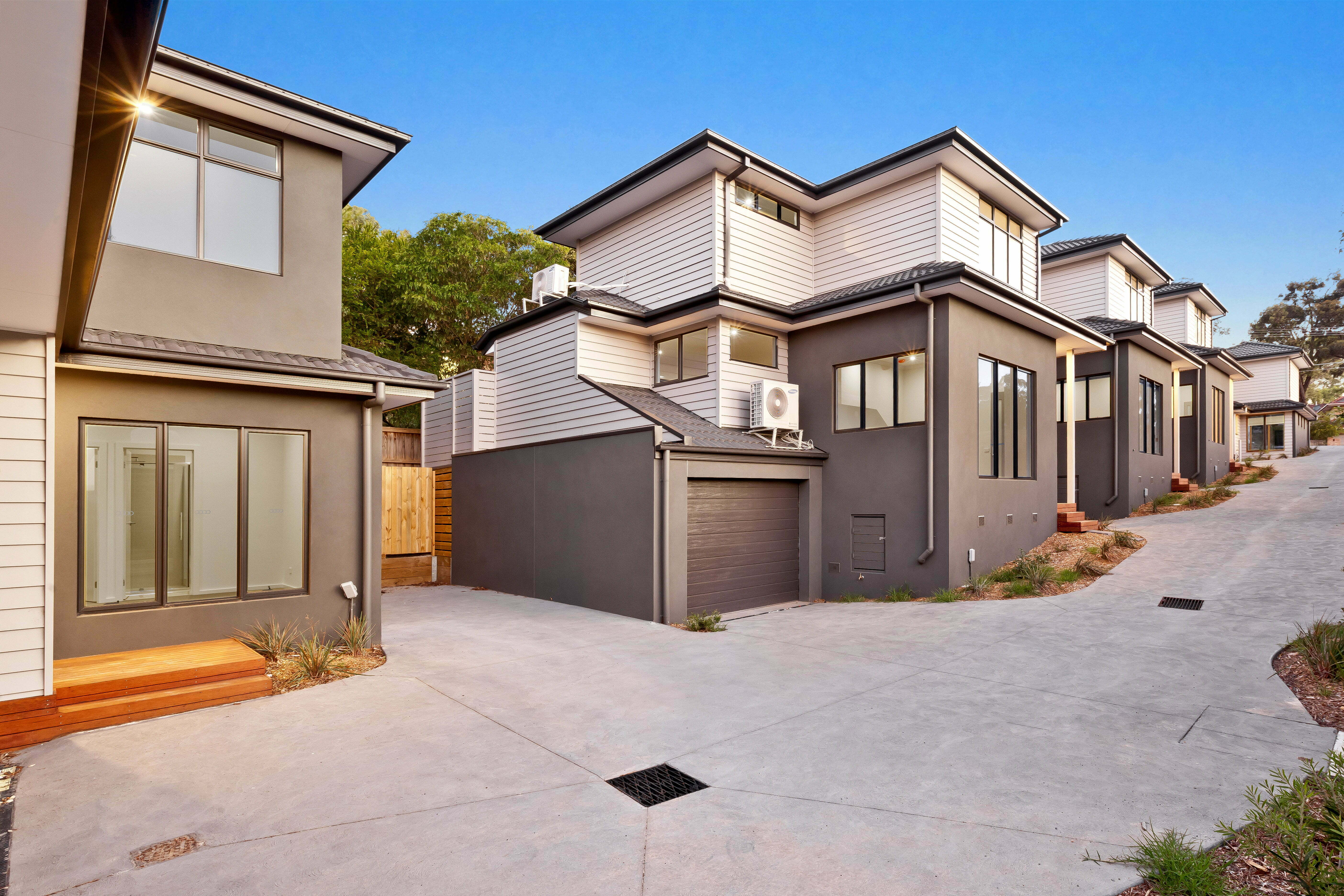
Clear communication protocols and robust contract terms convert design intent into deliverable outcomes by allocating risks, defining scope, and documenting decisions. Contracts should explicitly define the scope of work, inclusions/exclusions, payment milestones linked to completed, verifiable milestones, variation processes, latent conditions handling, and clear defect liability provisions. Regular cadence, weekly site reports, scheduled decision gates, and documented approvals reduce ambiguity and speed resolution when unforeseen issues arise. The checklist below outlines contract and communication essentials to include before signing and during construction to prevent typical bespoke build errors.
Key contract and communication checkpoints:
- Ensure scope documents and material specifications are annexed to the contract.
- Require a payment schedule tied to completed, verifiable milestones (not dates alone).
- Define the variations process with approval thresholds and documented cost/time impacts.
- Include latent conditions handling and provisional sums with clear allocation of risk.
- Establish a communication protocol: single-point contact, regular site meetings, and written weekly reports.
A contract coupled with a transparent communication rhythm reduces disputes and aligns expectations; next, we break down the most important clauses to review in plain language.
What Are the Key Contract Clauses to Understand Before Signing?
Before signing, focus on the clarity of the scope, inclusions and exclusions, the payment schedule, the variations clause, and the defects liability and warranty periods. Scope clarity prevents surprise costs from omitted items; a detailed payment schedule tied to deliverables protects both parties and ensures cash flow discipline. Variations clauses should specify approval steps, pricing method, and allowable time extensions; latent conditions clauses should allocate discovery risk reasonably with transparent remediation pricing.
Warranties and defect liability periods should be explicit about what is covered, response times, and remedial obligations. These clauses define the risk allocation and are essential to preventing the types of budget and timing issues that commonly derail bespoke projects.
The following table compares common contract types to show how transparency and risk allocation differ by approach.
| Contract Form | Transparency | Risk Allocation | Best Use Case |
| Fixed-price | Medium to High if the scope is detailed | The builder assumes most cost risk | Well-defined projects with complete designs |
| Cost-plus | High transparency of cost components | The owner bears the cost variance risk | Early-stage design with flexible scope |
| Design & Construct | Variable transparency depending on the brief | Shared risk with integrated delivery | When speed and single-point responsibility are priorities |
Understanding contract form helps you match procurement to project certainty and design completeness; choose the form that aligns with your appetite for risk and the stage of design maturity.
How Can Transparent Communication Reduce Project Delays and Disputes?
Transparent communication reduces delays by creating predictable decision windows, recording approvals, and ensuring information flows between architects, trades, and clients. Implement a decision register that records who decided, when, and the documented instruction; use weekly site reports that summarise progress, upcoming decisions, and potential risks.
Set response-time expectations for client approvals and a formal process for urgent decisions to avoid hold-ups. This structured approach to communication prevents informal instructions from becoming disputed variations and maintains schedule integrity by making decision impacts visible to all parties.
A practical communication cadence to adopt:
- Weekly site meeting: Review progress, safety, and immediate decisions.
- Bi-weekly written report: Status update, upcoming milestones, and variations log.
- Gateway approvals: Formal sign-offs at design, procurement, and slab/roofing stages.
Consistent documentation and a single-point contact for project queries materially reduce the likelihood of ambiguous instructions becoming costly disputes.
What Quality and Material Mistakes Should You Avoid in Bespoke Home Construction?
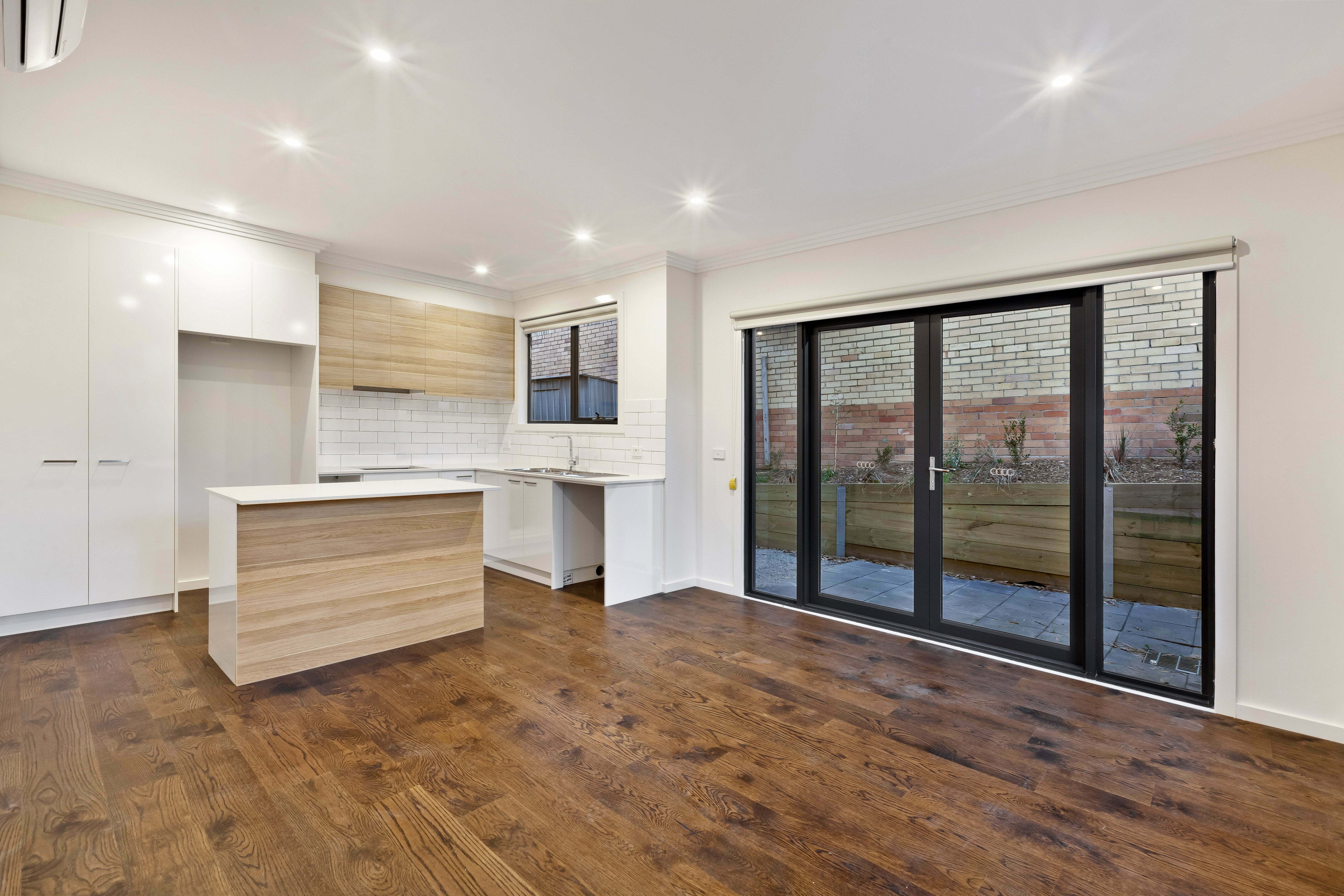
Quality failures usually result from unspecified material grades, inadequate trade coordination, weak inspection regimes, and unclear snagging and handover processes. Selecting premium materials without specifying grade and installation standards invites substitution; insufficient in-process inspections allow installation errors to persist until snagging, increasing rework.
A robust quality assurance programme includes pre-start inspections, scheduled trade audits, staged hold points, and a rigorous handover snag list with clear defect liability procedures. The next subsections cover how materials influence longevity and the practical QC checkpoints to insist on.
How Do Premium Materials Influence Longevity and Luxury Appeal?
Premium materials like timber, natural stone, and high-performance glazing elevate aesthetic appeal but also bring specific installation and maintenance requirements that directly affect longevity. The right material choice balances durability, maintenance burden, and the intended luxury expression; specifying grade, edge treatments, and sealing standards in the contract prevents substitution and performance disappointment.
For example, certain timbers require protective coatings and controlled humidity installation; stone needs specified fixings and sealing regimes. Insist on manufacturer installation instructions, warranties, and maintenance schedules being attached to contractual documents to preserve both finish quality and long-term value.
| Material | Longevity | Maintenance | Luxury Appeal |
| Timber (solid, engineered) | High when specified correctly | Regular maintenance, refinishing | Warm, tactile high-end finish |
| Natural stone (marble, granite) | Very high with correct installation | Sealing and careful care | Strong prestige signal, high cost |
| High-performance glass | High (thermal coated) | Low maintenance, specialist cleaning | Modern aesthetic, high daylighting value |
This material comparison helps align specifications with desired performance and long-term upkeep responsibilities.
What Role Does Quality Control Play in Ensuring Impeccable Craftsmanship?
Quality control is a sequence of checkpoints from pre-start material verification through staged inspections, snagging, and defect management that ensures finishes meet the specified standard. A recommended QC regime includes pre-start verification of key materials and samples, scheduled inspections at critical milestones (foundations, frame, waterproofing, finishes), a structured snag list compiled by a neutral party, and documented rectification timelines during the defects liability period.
Third-party inspections or certification for specialised systems (where appropriate) further reduce risk. Documented QC reduces warranty claims, protects finish quality, and provides evidence in the event of disputes, ensuring the bespoke vision is realised at handover.
QC checkpoints to insist on:
- Pre-start sample sign-offs for finishes and material grades.
- Hold-point inspections at critical construction stages.
- Independent snagging inspection before handover.
- Clear defects rectification timetable linked to the final payment.
These measures convert intent into verifiable outcomes and materially lower the incidence of finish-related defects.
How Can Striking Constructions Help You Avoid These Common Bespoke Home Building Mistakes in Melbourne?
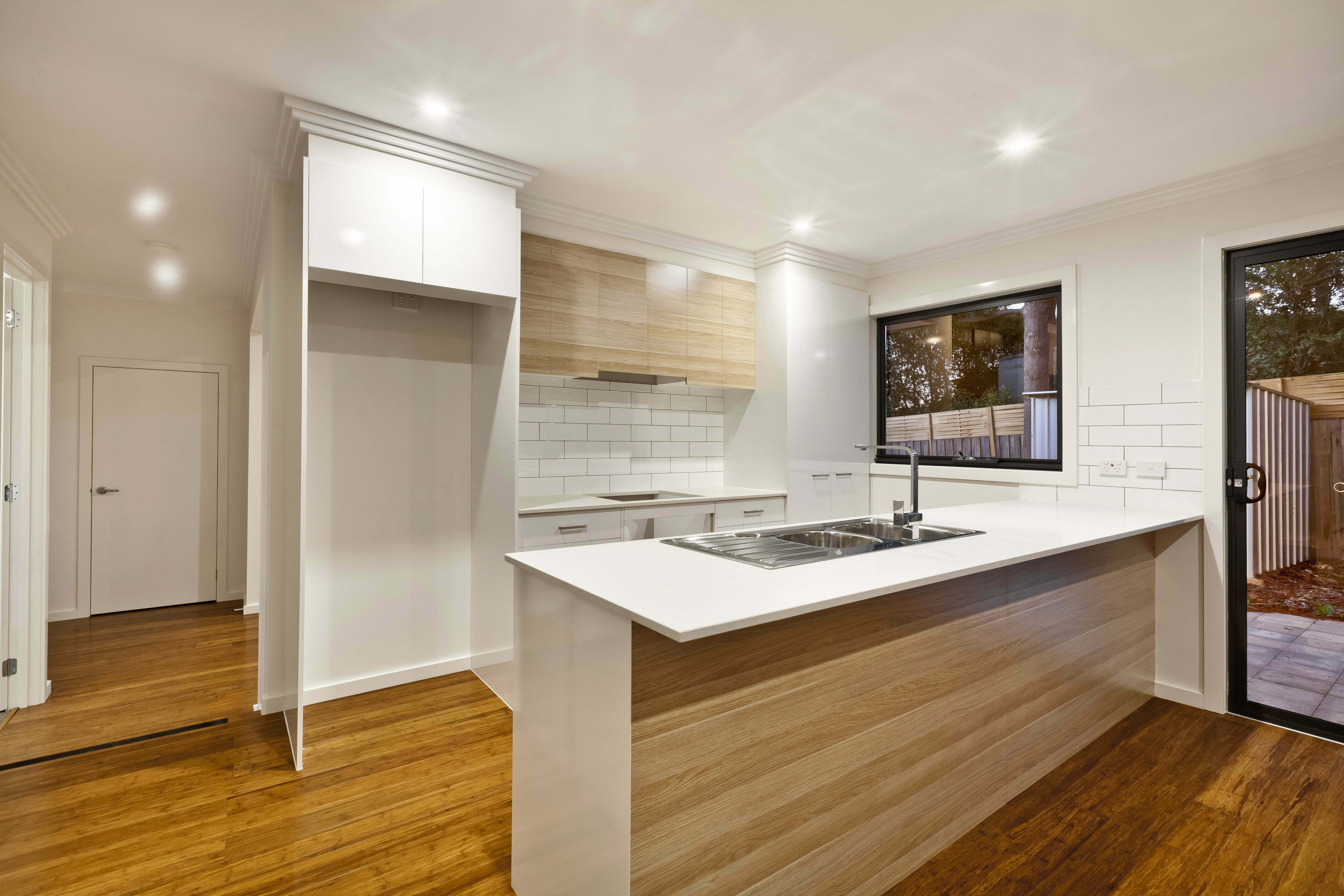
Striking Constructions Pty Ltd positions itself as a Melbourne-based construction company specialising in expansive architectural, luxury residential, and commercial building projects, emphasising craftsmanship, premium materials, and visionary concepts. Their approach to bespoke builds is structured around documented processes that align design, procurement, and on-site delivery to reduce the typical mistakes outlined in this guide.
The firm showcases project evidence through a gallery and profile that prospective clients can request to assess portfolio relevance and finish quality. Below are concise examples of processes and client outcomes that illustrate how transparent procurement, staged quality control, and proactive communication mitigate selection risk.
What our process focuses on:
- Design alignment and scope definition: Early architect–builder integration to fix constructable details.
- Transparent pricing and provisional sum management: Detailed allowances and specification attachments.
- Scheduled communication and single-point project management: Weekly site meetings, decision logs, and regular client reports.
- Rigorous quality control: Sample sign-offs, milestone inspections, and structured snagging at handover.
How Do Our Transparent Processes and Premium Materials Ensure Project Success?
Striking Constructions applies a consistent project playbook: confirm scope and material specifications at contract, secure critical long-lead items with formal procurement schedules, maintain a documented variations register, and conduct staged inspections tied to payment milestones. Quality control steps include pre-start sample approvals, milestone hold points, and an independent snag inspection before handover to ensure any defects are captured and remedied within the defects liability period.
The company emphasises premium materials and artisan trades to deliver the intended luxury expression while documenting warranties and maintenance guidance for the client. Prospective clients seeking a consultation can request portfolio evidence and discuss project-specific verification steps to confirm fit and capability.
This business integration underscores how procedural transparency, specialist trades, and premium material specification translate the general advice in this guide into deliverable outcomes, reducing the selection and delivery risks that commonly undermine bespoke home projects in Melbourne.
Building a bespoke luxury home in Melbourne is a significant investment, and choosing the right builder determines whether your vision becomes reality or a costly regret. By avoiding the mistakes outlined in this guide, such as superficial vetting, price-focused selection, and inadequate quality control, you protect both your capital and your architectural vision. If you’re ready to work with a builder who prioritises transparency, verified expertise, and documented quality assurance, Striking Constructions invites you to request a consultation. Let’s transform your vision into a luxury residence that stands the test of time.